


Strainer 7cm
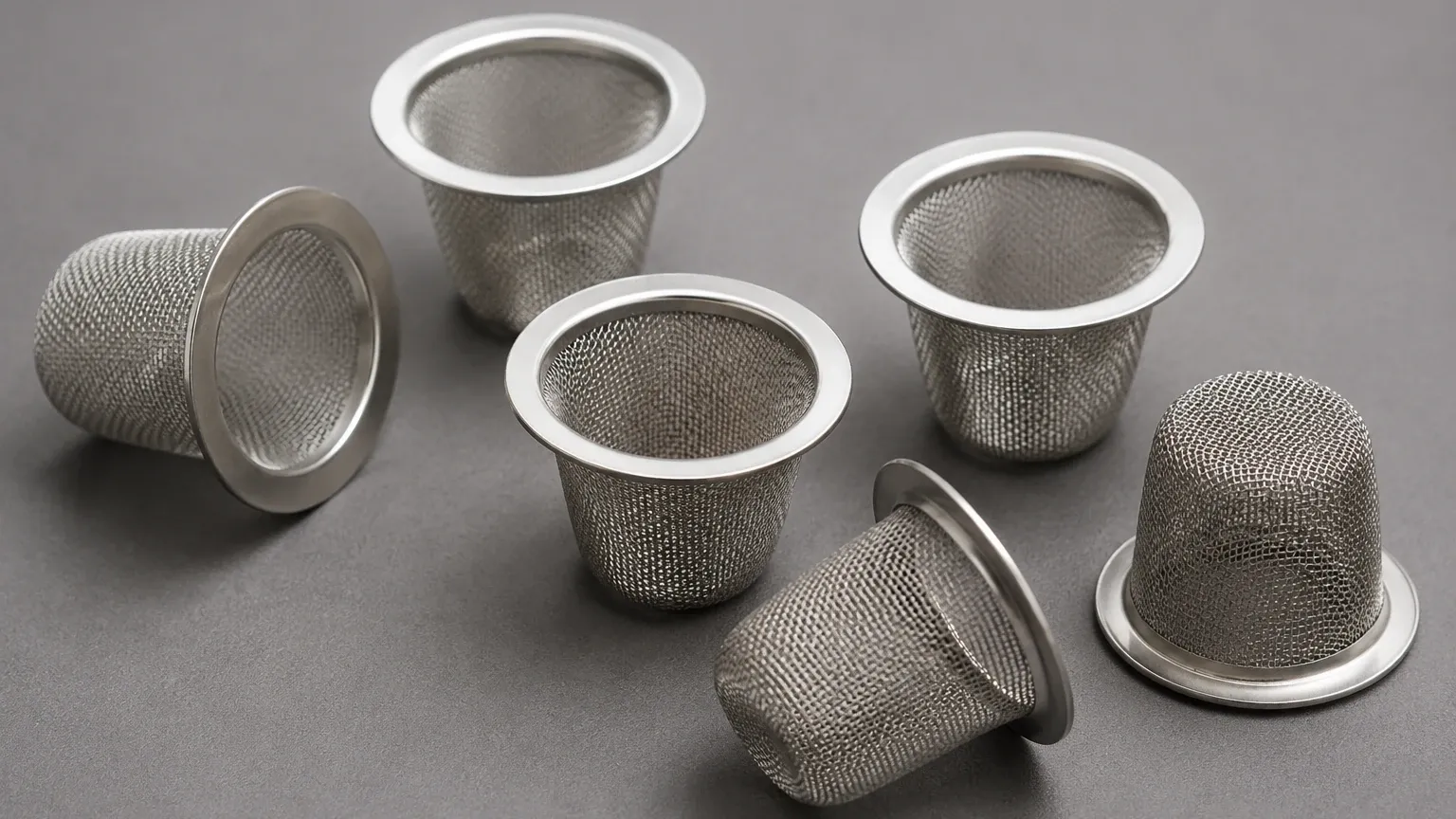
In industrial filtration, the dimensions of a component are critical to its performance, integration, and efficiency. A strainer 7cm (70mm) in diameter is a specific size often utilized in precision applications where space is constrained, or flow rates are localized. Whether used as a standalone unit in a small-diameter pipeline or as a removable basket within a larger filtration housing, understanding the technical specifications of these components is essential for engineers and procurement teams.
At Kaifil, we specialize in the manufacturing of high-performance Strainers & Baskets designed to meet the rigorous demands of chemical processing, food and beverage production, and pharmaceutical manufacturing. This guide explores the engineering considerations, material selections, and application-specific nuances of 7cm strainers.
Engineering Specifications for 7cm Strainers
A 7cm strainer is typically defined by its outer diameter (OD) or its nominal pipe size (NPS) compatibility. In many industrial contexts, a 70mm diameter corresponds to specialized machinery components or custom-built filtration housings. The performance of these units depends heavily on their construction materials and the type of filtration media employed.
Material Selection
For industrial environments, stainless steel is the standard due to its corrosion resistance and mechanical strength.
* SS304: Suitable for general industrial applications, water treatment, and non-corrosive chemical processing. It offers excellent durability and cost-effectiveness.
* SS316/SS316L: Preferred for pharmaceutical, food-grade, and highly corrosive chemical environments. The addition of molybdenum enhances resistance to pitting and crevice corrosion, particularly in chloride-rich environments.
Mesh and Perforation Types
The internal media of a 7cm strainer can vary based on the required filtration accuracy:
1. Perforated Metal: Used for coarse filtration or as a support structure for finer mesh. Hole sizes can range from 1mm to several millimeters.
2. Woven Wire Mesh: Provides precise filtration for smaller particles. Mesh counts can range from coarse 20 mesh to ultra-fine 500 mesh, depending on the application’s micron rating requirements.
3. Wedge Wire: Ideal for high-pressure applications where backwashing or mechanical cleaning is required. Its V-shaped profile reduces the risk of clogging.
Understanding Flow Dynamics in Small-Diameter Filtration
When specifying a strainer 7cm in diameter, engineers must calculate the flow velocity and the resulting pressure drop (delta P). Because the surface area is relatively small compared to larger industrial strainers, the ratio of the open area to the pipe area (the "open area ratio") becomes a critical metric.
Effective Filtration Area (EFA)
The EFA of a 7cm strainer determines how long the unit can operate before it requires cleaning. A basket-style strainer with a 7cm diameter can have its depth customized to increase the total surface area. For example, a deeper basket allows for a greater accumulation of solids without significantly impacting the flow rate.
Pressure Drop Considerations
A common mistake in filter selection is undersizing the component, leading to high initial pressure drops. For a 70mm strainer, the flow rate should be matched to the viscosity of the fluid. High-viscosity fluids (like syrups or heavy oils) require a larger open area or a coarser mesh to maintain acceptable pressure levels. Engineers should aim for a clean pressure drop of less than 2-3 PSI in most liquid applications.
Industrial Applications for 7cm Strainer Components
While larger pipelines use 10-inch or 12-inch strainers, the 7cm variant occupies a vital niche in specialized equipment and pilot-scale operations.
Pharmaceutical and Biotech
In pharmaceutical manufacturing, 7cm strainers are often used in sampling lines or small-batch processing units. Their size makes them easy to sterilize in autoclaves, and their stainless steel construction ensures compliance with sanitary standards. They are frequently used to protect sensitive downstream equipment, such as chromatography columns or high-pressure pumps, from particulate contamination.
Food and Beverage Processing
In the food industry, these strainers are used for filtering additives, flavorings, or small-stream ingredients. A 7cm basket strainer is often found in chocolate processing, juice clarification, and dairy production where precision and ease of cleaning are paramount. The use of SS316L ensures that the equipment does not react with acidic food products.
Chemical and Petrochemical
In chemical plants, small strainers are used in catalyst recovery, nozzle protection, and laboratory-scale reactors. The ability to customize the mesh size allows for the removal of specific contaminants that could otherwise foul expensive catalysts or interfere with chemical reactions.
Selection Criteria and Customization Options
Selecting the right strainer 7cm involves more than just matching the diameter. Customization is often necessary to ensure the component fits the existing infrastructure and meets performance goals.
Connection Types
How the strainer integrates into the system is vital for leak prevention and ease of maintenance. Common connection types include:
* Flanged Ends: Best for high-pressure systems where a secure, bolted connection is required.
* Threaded (NPT/BSP): Common in smaller piping systems and easy to install or replace.
* Sanitary Tri-Clamp: Standard in the food and pharmaceutical industries for quick disassembly and cleaning.
Structural Reinforcement
For high-pressure applications, a simple wire mesh may not be sufficient. Kaifil provides reinforced Strainers & Baskets that utilize a perforated metal backup tube. This prevents the mesh from collapsing or deforming under high differential pressure.
Handle and Lifting Options
Even for a 7cm strainer, ease of removal is important. Custom handles, such as bail handles or slant handles, can be integrated into the basket design to facilitate quick extraction during maintenance cycles, reducing downtime.
Maintenance and Longevity of Stainless Steel Strainers
The total cost of ownership for a filtration system is heavily influenced by its maintenance requirements and service life. A well-engineered 7cm strainer made from high-quality stainless steel can last for years if properly maintained.
Cleaning Protocols
* Manual Cleaning: For non-hazardous applications, the strainer basket can be removed and rinsed. For finer meshes, soft-bristle brushes or compressed air may be used, provided they do not damage the wire weave.
* Ultrasonic Cleaning: This is the most effective method for removing fine particulates trapped deep within the mesh pores. It is highly recommended for strainers used in pharmaceutical or high-purity chemical applications.
* Chemical Soaking: In industries like oil and gas, chemical solvents may be used to dissolve resins or polymers that have adhered to the strainer surface.
Inspection for Wear
Regular inspection is necessary to identify signs of mechanical fatigue, such as broken wires or thinning of the perforated metal. In high-velocity systems, erosion can occur near the inlet point. Identifying these issues early prevents "bypass," where contaminants pass through the damaged areas of the strainer and reach downstream equipment.
Cost Considerations and OEM Manufacturing
When sourcing a strainer 7cm, purchasing teams must weigh the initial purchase price against long-term performance. Off-the-shelf solutions may be cheaper but often lack the precise tolerances and material certifications required for industrial use.
The Value of Custom OEM Solutions
Working with an OEM manufacturer like Kaifil allows for precise control over every aspect of the strainer’s design. This includes:
* Material Traceability: Providing MTRs (Material Test Reports) to ensure the stainless steel meets the specified grade.
* Precision Tolerances: Ensuring the 7cm diameter fits perfectly within the housing to prevent fluid bypass.
* Scalability: The ability to produce small batches for prototypes or large volumes for global distribution.
Total Cost of Ownership (TCO)
A high-quality stainless steel strainer reduces TCO by extending the intervals between replacements and protecting more expensive downstream components (like pumps, valves, and heat exchangers). By investing in a robustly designed 7cm strainer, facilities can avoid the high costs associated with unplanned downtime and equipment repair.
Conclusion
The strainer 7cm is a versatile and essential component in many specialized industrial filtration systems. Its effectiveness is determined by the synergy of material quality, engineering design, and application-specific customization. Whether you require a fine mesh basket for a pharmaceutical lab or a rugged perforated strainer for a chemical pilot plant, selecting a component that adheres to strict industrial standards is paramount.
For engineers and procurement professionals looking for reliable, high-precision filtration components, Kaifil offers a comprehensive range of Strainers & Baskets tailored to your specific operational requirements. By focusing on durability and filtration accuracy, we help our global partners achieve optimized performance in even the most demanding environments.
