


Basket Strainer Bar Sink
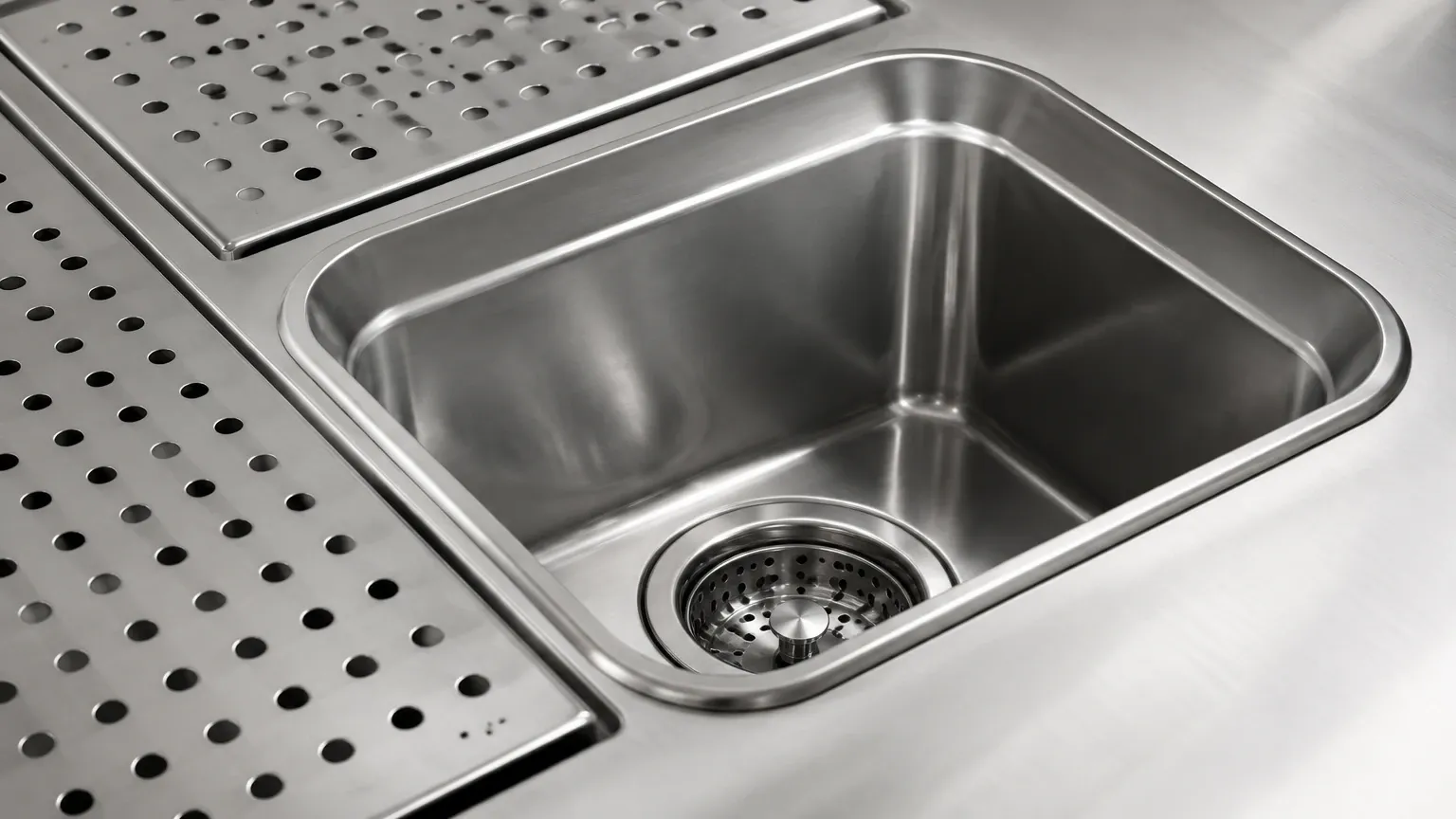
In commercial food service, hospitality, and industrial laboratory environments, the performance of a bar sink is heavily dependent on its drainage and filtration components. A basket strainer bar sink assembly serves as the primary defense against solid waste entering the plumbing system, preventing clogs and ensuring compliance with hygiene standards. For engineers and facility managers, selecting the right strainer involves more than just matching a drain diameter; it requires an understanding of material science, flow dynamics, and the specific filtration requirements of the application.
Industrial-grade basket strainers are designed to withstand high-frequency use, corrosive cleaning agents, and varying temperatures. Unlike residential counterparts, these components must maintain structural integrity under mechanical stress and provide consistent filtration performance over a long service life. This guide explores the technical specifications, engineering considerations, and selection criteria for Strainers & Baskets used in professional bar sink environments.
Engineering Specifications for Bar Sink Basket Strainers
The efficiency of a basket strainer bar sink component is defined by its material composition and the precision of its filtration media. In professional settings, stainless steel is the industry standard due to its durability and resistance to oxidation.
Material Selection: SS304 vs. SS316
Most industrial bar sink strainers are manufactured from Grade 304 stainless steel. This alloy provides excellent corrosion resistance for standard food and beverage applications. However, in environments where the sink is exposed to high concentrations of chlorides, salts, or acidic cleaning chemicals—common in marine environments or specialized chemical processing labs—Grade 316 stainless steel is preferred. SS316 contains molybdenum, which significantly enhances its resistance to pitting and crevice corrosion.
Filtration Media and Mesh Density
The "basket" portion of the strainer typically utilizes either perforated metal or woven wire mesh.
- Perforated Metal: Offers high structural rigidity and is suitable for capturing larger debris like ice shards or fruit garnishes.
- Woven Wire Mesh: Provides finer filtration, capable of capturing smaller particulates such as coffee grounds or fine sediment. The choice of mesh count (the number of openings per linear inch) determines the filtration accuracy and the flow rate capacity.
Industrial vs. Commercial Performance Standards
When specifying a basket strainer bar sink for a commercial project, it is essential to distinguish between light-duty commercial and heavy-duty industrial standards. Industrial-grade components are characterized by thicker gauge materials and reinforced joints.
Durability and Gauge Thickness
Standard commercial strainers may use thinner sheets of stainless steel, which can warp or dent over time, leading to poor sealing. Industrial-grade baskets often utilize 18-gauge or 20-gauge stainless steel to ensure the component remains circular and fits snugly within the drain body. This precision fit is critical for preventing "bypass," where debris slips past the edges of the basket and into the piping.
Sealing Mechanisms
The interface between the basket and the drain body relies on a high-quality seal. In professional applications, rubber or silicone gaskets must be food-grade and resistant to high-temperature water (often exceeding 180°F in commercial dishwashing or sanitizing cycles). A failure in the seal can lead to slow leaks that damage the sub-structure of the bar or laboratory bench.
Key Design Considerations for Flow and Capture
An effective basket strainer bar sink must balance two competing objectives: maximizing the capture of solids and maintaining a high flow rate to prevent standing water.
Open Area Ratio (OAR)
Engineers calculate the Open Area Ratio to determine how much of the basket surface is available for fluid passage. A higher OAR reduces the pressure drop across the strainer and allows the sink to drain quickly even as the basket begins to fill with debris. If the OAR is too low, the sink will drain sluggishly, which can impede workflow in a busy commercial bar or kitchen.
Basket Depth and Volume
The volume of the basket determines the maintenance interval. Deep baskets can hold more debris before requiring cleaning, which is advantageous in high-volume environments. However, the depth must be compatible with the under-sink clearance and the configuration of the P-trap. For shallow bar sinks, a compact or "junior" basket strainer design is often required to maintain proper drainage geometry.
Customization and OEM Options for Industrial Bar Sinks
Many industrial applications require bespoke filtration solutions that off-the-shelf products cannot satisfy. Customization allows for the optimization of the basket strainer bar sink to meet specific operational challenges.
Tailored Dimensions and Connections
OEM manufacturers like Kaifil can produce strainers with non-standard diameters or specialized flange widths to fit unique sink designs. This is particularly relevant for manufacturers of specialized laboratory equipment or custom-built stainless steel bar stations where standard 3.5-inch or 2-inch drains are not utilized.
Specialized Coatings and Finishes
While a polished finish is common for aesthetic reasons in hospitality, industrial applications may require passivated finishes to maximize corrosion resistance. In some cases, electro-polishing is used to create an ultra-smooth surface that resists bacterial growth and makes the basket easier to clean, supporting stringent hygiene protocols in pharmaceutical or food processing environments.
Installation and Maintenance Best Practices
The longevity of a basket strainer bar sink assembly is largely dependent on correct installation and a proactive maintenance schedule.
Proper Sealing During Installation
When installing the drain body into the sink, the use of high-quality plumbers' putty or neutral-cure silicone is essential. In industrial settings, mechanical fasteners (such as locknuts) must be tightened to specific torque values to ensure a permanent, vibration-resistant seal. Over-tightening can crack the sink material (if ceramic or composite) or distort the stainless steel flange.
Cleaning and Sanitization
Baskets should be removed and cleaned at the end of every shift. In food service, this prevents the buildup of organic matter that can lead to odors and pest issues. Because industrial baskets are often made of high-grade stainless steel, they can be safely processed through high-temperature commercial dishwashers or ultrasonic cleaners without risk of degradation.
Inspection for Wear
Regular inspection should focus on the integrity of the mesh and the condition of the center post or handle. If the mesh becomes frayed or the welds on the basket handle fail, the component should be replaced immediately. A broken basket can allow large debris to enter the drain, leading to costly plumbing repairs that far exceed the price of a replacement strainer.
Evaluating Total Cost of Ownership (TCO)
For purchasing teams, the initial price of a basket strainer bar sink is only one component of the Total Cost of Ownership. Selecting a low-cost, low-quality strainer often results in higher long-term costs due to:
1. Frequent Replacements: Lower-grade metals corrode faster and mechanical parts fail sooner.
2. Plumbing Maintenance: Inefficient filtration leads to more frequent pipe blockages and the need for professional hydro-jetting or snaking.
3. Operational Downtime: A clogged sink in a commercial bar or lab can halt operations, leading to lost revenue or delayed research.
Investing in high-quality Strainers & Baskets ensures that the drainage system remains functional and efficient, providing a better return on investment over the lifecycle of the facility.
Conclusion
The basket strainer bar sink is a critical engineering component that protects the infrastructure of commercial and industrial facilities. By prioritizing material quality, precise filtration specs, and appropriate design for flow requirements, engineers can ensure reliable performance and long-term durability. Whether for a high-traffic hospitality venue or a precision-controlled laboratory, selecting the right strainer is a fundamental step in maintaining an efficient and hygienic workspace. For those requiring specific performance characteristics or unique dimensions, working with an experienced manufacturer like Kaifil provides the technical support and customization necessary to meet the most demanding filtration challenges.
