


Metal Mesh Extractor Filter: An Engineering Guide to Selection and Performance
In industrial extraction processes—ranging from botanical oil recovery and chemical processing to pharmaceutical ingredient isolation—the efficiency of the separation phase determines the purity of the final product and the cost-effectiveness of the entire operation. A critical component in these systems is the metal mesh extractor filter. These components are engineered to withstand high pressure, cryogenic temperatures, and aggressive solvents while maintaining precise particle retention.
Selecting the appropriate filtration media requires a deep understanding of fluid dynamics, material science, and the specific mechanical constraints of the extraction equipment. This guide provides a technical overview of the operating principles, material considerations, and engineering specifications necessary for integrating Wire Mesh Filter Cylinders & Tubes into industrial extraction systems.
1. Operating Principles of Metal Mesh in Extraction
The primary function of a metal mesh extractor filter is the mechanical separation of solid particulates from a liquid solvent or extract. Unlike disposable paper or polymer filters, stainless steel mesh offers a rigid, reusable structure that can be cleaned and sterilized, making it the standard for B2B industrial applications.
Surface Filtration vs. Depth Filtration
Most extractor filters operate on the principle of surface filtration. The mesh acts as a precise barrier where particles larger than the pore size are captured on the upstream side. In complex extraction setups, engineers may utilize multi-layered sintered mesh, which provides a degree of depth filtration, allowing for higher dirt-holding capacity and preventing immediate blinding (clogging) of the filter surface.
Pressure Differential and Flow Rates
In pressurized extraction systems, such as Closed Loop Extractors (CLE) or Supercritical CO2 systems, the filter must handle significant pressure differentials ($ΔP$). As the filter cake builds up on the mesh, the $ΔP$ increases. Engineering the filter requires balancing the micron rating with the required flow rate; a mesh that is too fine may restrict flow excessively, while a mesh that is too coarse will allow contaminants to pass through to the final extract.
2. Engineering Selection Criteria for Extractor Filters
When specifying a metal mesh extractor filter, engineers must look beyond simple dimensions. The performance of the filter is dictated by the weave type, the wire diameter, and the resulting open area percentage.
Micron Rating and Weave Types
* Plain Weave: The most common configuration, offering a high open area and low pressure drop. It is suitable for coarse filtration (100 microns and above).
* Dutch Weave: This weave utilizes a higher density of smaller diameter wires in the shute (weft) direction. This creates a tortuous path for the fluid, providing much finer filtration (down to 5-10 microns) and superior mechanical strength.
* Twill Weave: Used when heavier wires are required for a specific mesh count, providing increased durability for high-pressure applications.
Structural Integrity and Support
Because extraction processes often involve high-velocity fluid movement, a single layer of fine mesh may collapse under pressure. Industrial Wire Mesh Filter Cylinders & Tubes are often designed with a multi-layer construction. This typically includes:
1. The Control Layer: The fine mesh that determines the filtration accuracy.
2. The Support Layer: A coarser, heavier mesh or a perforated metal core that provides the structural rigidity needed to prevent deformation during high-pressure cycles.
3. Material Science: SS304 vs. SS316L
The choice of alloy is paramount in extraction, where the filter is often exposed to solvents like ethanol, butane, propane, or acidic/alkaline cleaning solutions.
* Stainless Steel 304: Suitable for general-purpose extraction where corrosion risks are moderate. It offers excellent mechanical properties and cost-effectiveness.
* Stainless Steel 316L: The "L" denotes low carbon, which improves weldability and prevents intergranular corrosion. 316L contains molybdenum, significantly increasing resistance to chlorides and organic solvents. For pharmaceutical and food-grade extraction, 316L is generally the mandatory standard to ensure no metallic leaching occurs.
In cryogenic extraction, where temperatures can drop to -40°C or lower, stainless steel remains ductile and does not become brittle, unlike many polymer-based filters. This thermal stability ensures the mesh maintains its pore geometry and structural integrity across wide temperature swings.
4. Design Configurations: Cylinders and Tubes
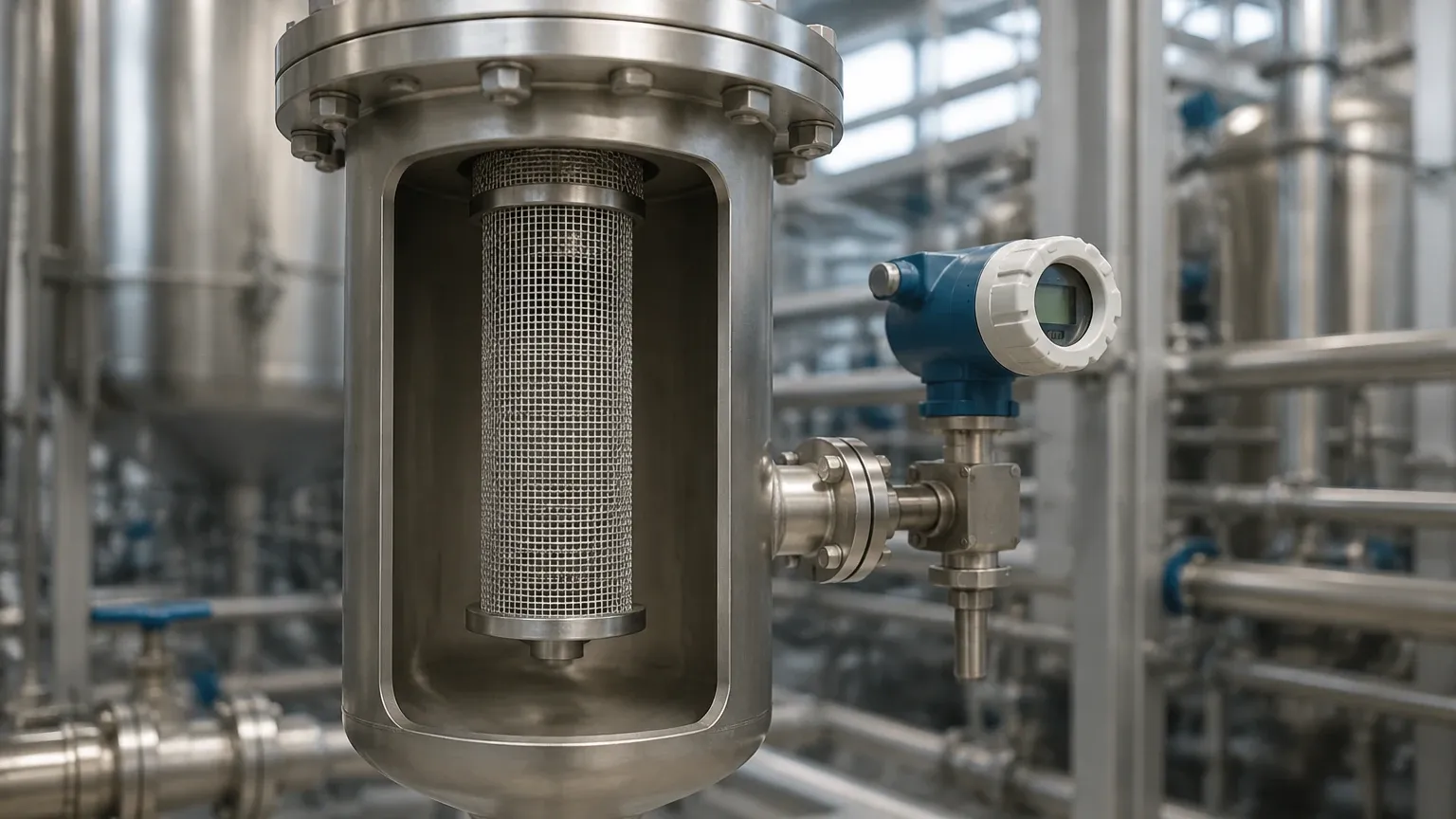
The geometry of the filter is usually determined by the extraction vessel's housing. Wire Mesh Filter Cylinders & Tubes are the preferred geometry for several reasons:
* Maximum Surface Area: Cylindrical designs provide a larger filtration area within a compact footprint compared to flat disc filters.
* Uniform Pressure Distribution: The radial design allows for more even distribution of pressure across the filter surface, reducing the risk of localized failure.
* Ease of Integration: Tubes can be manufactured with various end-cap configurations, including NPT threads, flange mounts, or sanitary Tri-Clamp fittings, allowing for seamless integration into existing piping manifolds.
For custom OEM requirements, the length and diameter of the cylinder can be adjusted to match the specific volume and flow velocity of the extraction system. Precision welding (TIG or Plasma) is essential at the seams to ensure there are no bypass points where unfiltered fluid could escape.
5. Installation Constraints and Application Risks
Correct installation is as critical as the filter's manufacture. Engineers should consider the following constraints during the design phase:
Sealing and Gaskets
A metal mesh extractor filter is only as effective as its seal. If the filter is not seated correctly within the housing, "bypass" occurs, where the fluid takes the path of least resistance around the filter rather than through it. Common sealing materials include PTFE (Teflon) or Viton, chosen for their chemical compatibility with the solvents being used.
Risk of Blinding and Caking
In botanical extraction, waxes and lipids can quickly coat the mesh, a phenomenon known as blinding. To mitigate this, systems often use a series of filters with progressive micron ratings—starting with a coarse mesh to remove bulk plant material and ending with a fine mesh for final polishing. Monitoring the pressure gauge across the filter housing is the most reliable way to detect when a filter requires cleaning or replacement.
Fatigue and Mechanical Stress
Repeated pressure cycling can lead to metal fatigue, especially at the weld points. It is recommended to implement a scheduled inspection program to check for mesh displacement or cracks in the support structure, particularly in high-volume industrial environments.
6. Maintenance and Cleaning for Longevity
One of the primary B2B advantages of stainless steel filters is their reusability. However, improper cleaning can damage the delicate mesh. Recommended industrial cleaning methods include:
* Ultrasonic Cleaning: High-frequency sound waves create cavitation bubbles that dislodge microscopic particles from deep within the mesh weave. This is the most effective method for Dutch weave filters.
* Backwashing: Reversing the flow of clean solvent through the filter can remove surface cakes. This is often integrated into automated extraction systems.
* Chemical Cleaning: Using compatible detergents or solvents to dissolve organic buildup. It is vital to ensure that the cleaning agents do not cause pitting or stress corrosion cracking in the stainless steel.
7. International Procurement: What Buyers Must Confirm
When sourcing metal mesh extractor filters for global projects, purchasing teams and engineers should verify several technical benchmarks to ensure the product meets industrial standards:
1. Material Certification: Request Mill Test Reports (MTRs) to verify the chemical composition of the stainless steel (e.g., confirming it is true 316L).
2. Filtration Accuracy: Confirm whether the micron rating is "nominal" (approximate) or "absolute" (guaranteed retention of a specific particle size).
3. Weld Quality: For high-pressure tubes, ensure the manufacturer uses longitudinal welding techniques that maintain the structural integrity of the cylinder without compromising the mesh pores.
4. Tolerances: In precision instrumentation, even a 1mm deviation in diameter can lead to sealing failures. Confirm the manufacturer's ability to hold tight tolerances on end caps and fittings.
By focusing on these technical parameters, engineering teams can optimize their extraction processes, reduce downtime caused by filter failure, and ensure the highest purity of their end products. For specialized applications, collaborating with a manufacturer capable of producing custom Wire Mesh Filter Cylinders & Tubes allows for the development of filtration solutions tailored to specific flow rates, chemical environments, and pressure requirements.
