


Basket Strainer Overflow Cap
In industrial fluid handling and processing, the integrity of a filtration system depends not only on the primary filter media but also on the specialized components that manage pressure, flow direction, and safety. Among these components, the basket strainer overflow cap plays a critical role in ensuring system stability and preventing environmental or mechanical hazards during high-pressure or high-volume operations. For engineers and procurement teams, understanding the technical nuances of Strainers & Baskets and their associated hardware is essential for maintaining operational efficiency and protecting downstream equipment like pumps, valves, and heat exchangers.
Industrial strainers are designed to remove coarse particles from liquids, protecting sensitive components from damage or clogging. However, the performance of these systems is often dictated by the secondary components, such as caps, seals, and venting mechanisms, which allow the system to handle fluctuations in flow and pressure without compromising the filtration process.
The Fundamental Role of Strainers & Baskets in Industrial Systems
Industrial filtration is a multi-stage process where different levels of precision are required based on the application. Strainers & Baskets represent the first line of defense in many piping systems. Unlike fine-mesh cartridges used for sub-micron filtration, basket strainers are typically used for "coarse" filtration, removing debris that could cause catastrophic failure in mechanical systems.
Protecting Downstream Infrastructure
The primary function of these components is the protection of expensive downstream assets. In chemical processing or water treatment, a single piece of stray metal or a large aggregate can destroy a pump impeller or seize a control valve. By utilizing robust stainless steel baskets, facilities can ensure that only fluids within a specific particulate range pass through the system.
Simplex vs. Duplex Configurations
Depending on the requirement for continuous operation, engineers select between simplex and duplex strainer configurations. Simplex strainers are used in batch processes where the flow can be stopped to clean the basket. Duplex strainers, however, allow for continuous flow by diverting the fluid to a second chamber while the first is being serviced. In both configurations, the sealing mechanism and the basket strainer overflow cap must be engineered to withstand the maximum operating pressure of the system to prevent leaks or bypass.
Technical Specifications of the Basket Strainer Overflow Cap
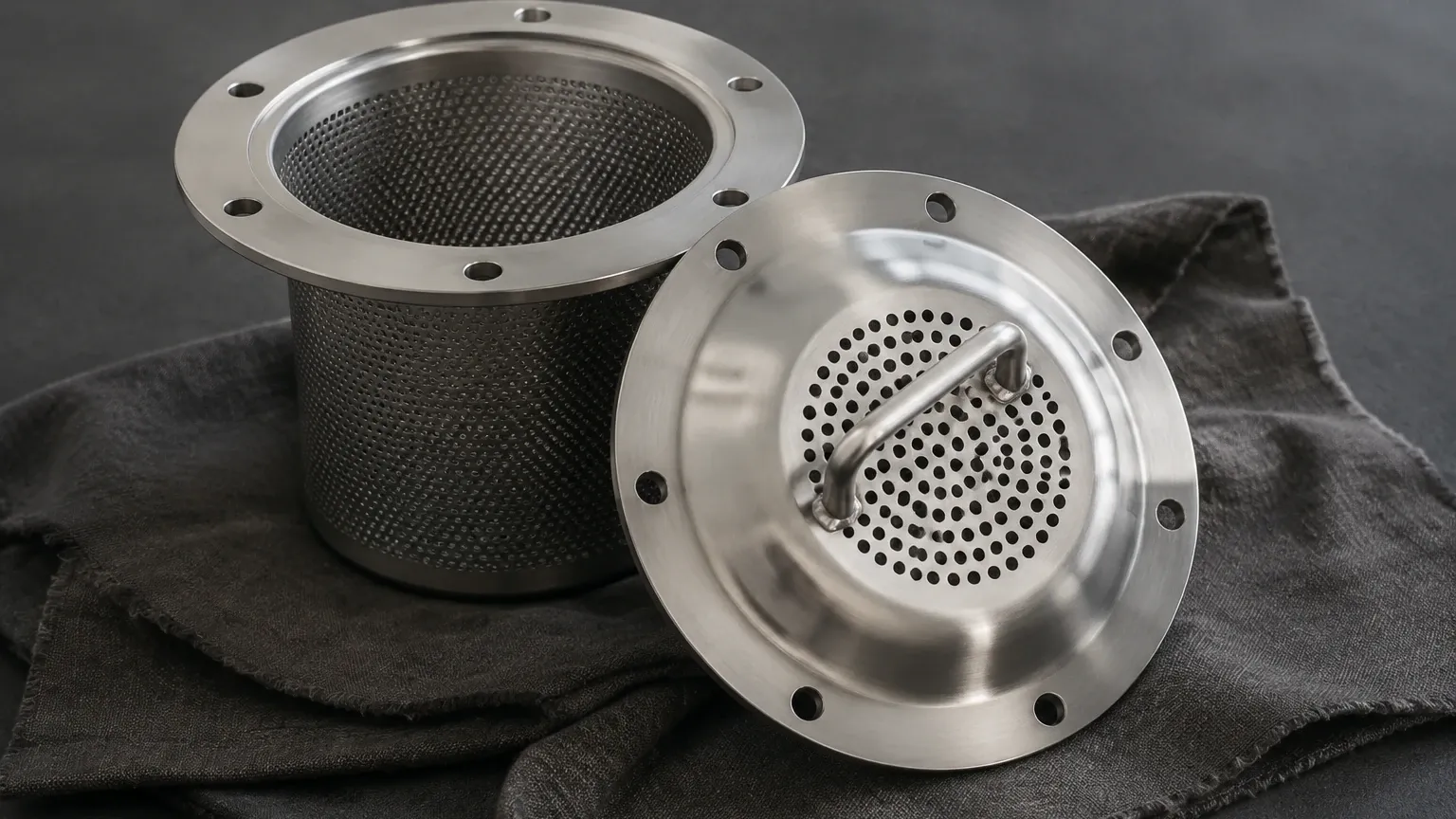
The basket strainer overflow cap is more than a simple lid; it is a precision-engineered component that often incorporates venting, pressure relief, or overflow diversion capabilities. In many industrial designs, the overflow cap serves as the interface between the internal basket and the external environment or a bypass line.
Pressure Management and Venting
One of the primary technical functions of an overflow cap in a basket strainer assembly is to manage air pockets and pressure surges. When a system is first started or when a basket is replaced, air can become trapped within the strainer housing. An overflow cap equipped with a vent allows this air to be purged safely. Without this capability, air pockets can lead to cavitation in pumps or inaccurate flow meter readings.
Sealing Integrity
In high-pressure applications, the interface between the cap and the strainer body is a common point of failure. Industrial-grade overflow caps are typically machined from 304 or 316 stainless steel to ensure dimensional stability under thermal and mechanical stress. The use of high-performance gaskets—such as Viton, EPDM, or PTFE—ensures that the cap maintains a gas-tight and liquid-tight seal, even when handling aggressive chemicals or high-temperature fluids.
Engineering Considerations: Material Selection and Compatibility
When specifying a basket strainer overflow cap, material science is at the forefront of the decision-making process. The choice of metal and elastomer must align with the chemical profile of the process fluid and the environmental conditions of the facility.
Stainless Steel 304 vs. 316
For most general industrial applications, Grade 304 stainless steel provides excellent durability and cost-effectiveness. However, in environments involving chlorides, acids, or high-salinity fluids (such as marine or pharmaceutical applications), Grade 316 stainless steel is the industry standard. The addition of molybdenum in 316 SS significantly enhances resistance to pitting and crevice corrosion, which is particularly important for components like overflow caps that may have stagnant fluid contact points.
Corrosion Resistance and Longevity
In the food and beverage industry, the material must not only be corrosion-resistant but also compliant with sanitary standards. Stainless steel components are preferred because they can withstand rigorous Clean-in-Place (CIP) cycles involving caustic detergents and high-pressure steam. The smooth surface finish of a professionally manufactured overflow cap prevents bacterial growth and ensures that the system remains hygienic.
Performance Metrics: Flow Dynamics and Pressure Management
Engineers must evaluate how the design of the strainer and its cap affects the overall hydraulics of the system. A poorly designed overflow cap or an incorrectly sized basket can lead to excessive pressure drop (Delta P), which increases energy consumption and reduces the lifespan of pumps.
Calculating Pressure Drop
The pressure drop across a strainer is a function of the fluid's viscosity, flow rate, and the open area ratio of the basket mesh. The overflow cap must be designed so that it does not impede the flow path or create unnecessary turbulence. In systems where the cap includes an overflow bypass, the diameter of the bypass port must be carefully calculated to handle the full flow volume in the event of a total basket clog, preventing the housing from rupturing.
Open Area Ratio (OAR)
A critical metric in the selection of Strainers & Baskets is the Open Area Ratio. This is the ratio of the total area of the holes in the basket to the cross-sectional area of the inlet pipe. A higher OAR (typically 4:1 or higher) results in a lower pressure drop and longer intervals between cleanings. The overflow cap must facilitate this by providing a secure fit that keeps the basket properly seated, ensuring that fluid is forced through the mesh rather than around it.
Maintenance Protocols and Risk Mitigation
Even the most robustly engineered basket strainer overflow cap requires regular inspection and maintenance to ensure long-term reliability. Failure to maintain these components can lead to system-wide issues, including contamination of the final product and mechanical damage to downstream hardware.
Inspection Cycles
Maintenance teams should establish a routine inspection schedule based on the particulate load of the process fluid. For the overflow cap, this involves checking the integrity of the threads (for screw-on caps) or the flange faces (for bolted caps). Any signs of galling or deformation should be addressed immediately to prevent the cap from becoming seized or failing under pressure.
Seal Replacement
The elastomers within the overflow cap assembly are typically the first components to wear out. Over time, exposure to temperature fluctuations and chemical solvents can cause seals to harden, crack, or swell. Replacing these seals during scheduled downtime is a low-cost preventive measure that avoids the high cost of an unscheduled emergency shutdown.
Common Risks of Improper Installation
One of the most common risks in industrial filtration is the improper seating of the basket or the cap. If the basket is not held firmly in place by the overflow cap, fluid can bypass the filtration media entirely. This "bypass leakage" allows contaminants to move downstream, potentially damaging sensitive equipment. Ensuring that the overflow cap is torqued to the manufacturer’s specifications is vital for maintaining the filtration circuit's integrity.
Customization and OEM Integration for Specialized Filtration
Standard off-the-shelf solutions are not always sufficient for complex industrial applications. Many projects require customized Strainers & Baskets that are tailored to specific spatial constraints, flow requirements, or material standards.
Tailored Engineering Solutions
Customization can involve modifying the basket strainer overflow cap to include specialized sensors, such as differential pressure gauges or temperature probes. These integrated sensors provide real-time data to the facility’s control system, allowing for automated alerts when a basket reaches its holding capacity. This level of integration is essential for modern "Smart Factory" environments where data-driven maintenance is the norm.
OEM Manufacturing Capabilities
For original equipment manufacturers (OEMs) building larger industrial skids, having a reliable partner for custom filtration components is essential. Manufacturing capabilities such as precision CNC machining, advanced welding (TIG/MIG), and electrolytic polishing allow for the production of overflow caps and baskets that meet the exact tolerances required for high-performance machinery. Whether the application is in hydraulic power units, large-scale chemical reactors, or commercial water filtration, the components must be manufactured to withstand the specific rigors of the intended environment.
Conclusion: Selecting the Right Filtration Components
Selecting the appropriate basket strainer overflow cap and associated filtration hardware requires a balance of mechanical engineering knowledge and practical operational experience. By focusing on material compatibility, pressure ratings, and ease of maintenance, engineers can specify systems that offer both high performance and a low total cost of ownership.
When evaluating suppliers for Strainers & Baskets, it is important to consider their ability to provide technical support and customization. A well-designed filtration system does more than just clean a fluid; it stabilizes the entire production process, reduces downtime, and protects the facility's most valuable mechanical assets. For demanding industrial environments, investing in high-quality stainless steel components and precise overflow management is a fundamental requirement for operational success.
