


What Is a Basket Strainer for a Sink
In industrial, commercial, and laboratory environments, the management of wastewater and the protection of downstream piping systems are critical operational concerns. At the heart of these systems lies a seemingly simple yet engineered component: the basket strainer. When technical professionals and procurement teams ask, what is a basket strainer for a sink, they are generally looking for more than a basic plumbing definition. They are seeking an understanding of a specialized filtration component designed to prevent solid debris from entering the drainage system while allowing for efficient fluid flow.
For manufacturers like Kaifil, which specializes in high-precision Strainers & Baskets, these components represent the first line of defense in fluid management. This article provides a comprehensive technical overview of sink basket strainers, their engineering specifications, material requirements, and the factors that distinguish industrial-grade solutions from standard hardware.
Understanding the Core Function of Sink Basket Strainers
A sink basket strainer is a multi-functional plumbing fitting installed in the drain orifice of a sink. Its primary purpose is twofold: to act as a removable filter that captures solid waste and to serve as a manual stopper when fluid retention is required in the basin.
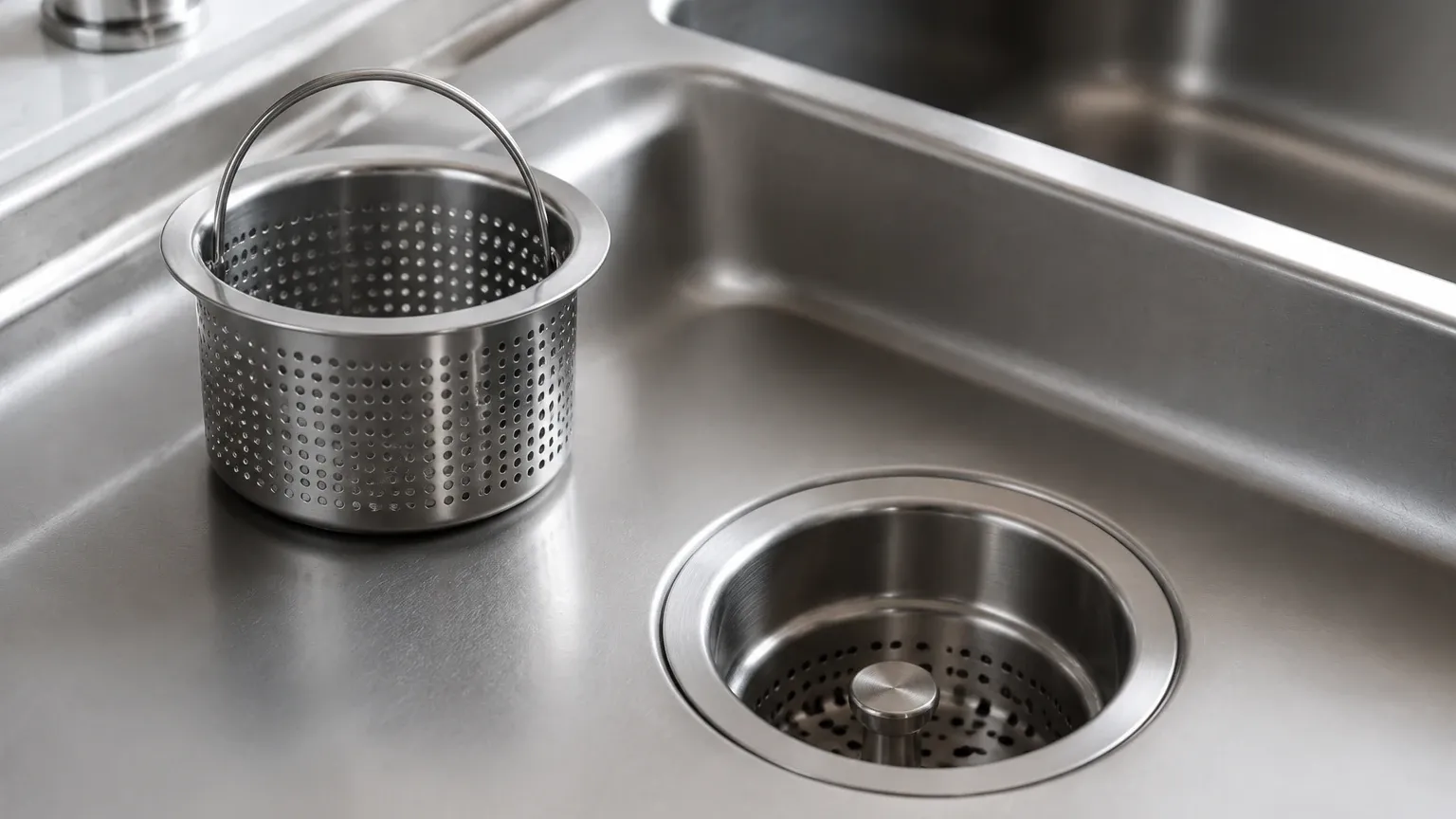
In an industrial context, the "basket" refers to the perforated or mesh-lined insert that can be lifted out of the drain body. This design allows for the easy removal and disposal of collected solids—such as metal shavings, food waste, or chemical precipitates—without requiring the disassembly of the piping. Unlike a fixed grid strainer, which is bolted down and difficult to clean, a basket strainer is designed for high-frequency maintenance and rapid cleaning cycles.
From an engineering perspective, the efficiency of a basket strainer is measured by its ability to balance filtration accuracy with flow rate. If the perforations are too large, debris passes through and risks clogging the P-trap or sensitive downstream processing equipment. If the perforations are too small or the open area is insufficient, the sink will drain too slowly, causing operational bottlenecks.
Engineering Components and Design Variations
To fully answer what is a basket strainer for a sink, one must examine the individual components that make up the assembly. A professional-grade strainer is not a monolithic piece but a system of parts designed for durability and leak prevention.
1. The Strainer Body (Flange)
This is the main housing that sits within the sink's drain hole. It features a wide top flange that creates a seal against the sink surface. In industrial applications, the underside of this body is often threaded to accommodate heavy-duty locknuts that ensure a high-torque, vibration-resistant connection.
2. The Removable Basket
The basket is the core filtration element. It typically features a central post or a handle for easy removal. The filtration surface can be made of perforated metal or, for finer filtration requirements, a reinforced wire mesh. The choice between a "drop-in" basket and a "twist-lock" basket depends on whether the application requires a positive seal to hold water.
3. The Stopper and Seal
Most basket strainers include a rubber or polymer gasket at the base of the basket. When the basket is pressed down or twisted into a locking position, this gasket seals against the body's seat, allowing the sink to be filled. In chemical processing environments, the material of this seal (e.g., Viton, EPDM, or PTFE) must be compatible with the fluids being handled.
4. Tailpiece and Connection Hardware
The tailpiece connects the strainer body to the rest of the drainage system. Industrial systems often utilize 1.5-inch or 2-inch NPT or BSP threads to ensure compatibility with high-pressure or high-volume plumbing standards.
Material Selection: The Role of Stainless Steel in Filtration
Material choice is perhaps the most significant factor in determining the lifespan and performance of a sink basket strainer. While residential products often use plastic or thin brass with chrome plating, industrial applications demand materials that can withstand corrosive agents, high temperatures, and physical impact.
Stainless steel is the industry standard for high-performance Strainers & Baskets. Specifically, Type 304 and Type 316 stainless steel are preferred for the following reasons:
* Corrosion Resistance: In commercial kitchens or laboratories, strainers are constantly exposed to acidic food waste, cleaning chemicals, or saline solutions. Type 316 stainless steel, which contains molybdenum, offers superior resistance to chloride-induced pitting.
* Structural Integrity: Industrial sinks often handle heavy loads and high-temperature fluids. Stainless steel maintains its shape and sealing capabilities under thermal stress, whereas plastic components may warp or crack.
* Hygiene and Sanitation: Stainless steel is non-porous and easy to sterilize, making it essential for food and beverage processing or pharmaceutical applications where bacterial growth must be inhibited.
* Longevity: A high-quality stainless steel strainer can last for decades, significantly reducing the total cost of ownership compared to cheaper alternatives that require frequent replacement due to finish failure or mechanical breakdown.
Industrial vs. Commercial Grade Strainers
When evaluating what is a basket strainer for a sink for a B2B application, it is important to distinguish between light-duty commercial products and heavy-duty industrial components. The distinction usually lies in the "open area ratio" and the thickness of the metal used.
In a high-volume industrial facility, the strainer must handle a significant volume of fluid without creating excessive backpressure. This is achieved through precision-engineered perforation patterns that maximize the "open area" (the total area of the holes compared to the total area of the basket). Kaifil utilizes advanced manufacturing techniques to ensure that even fine mesh baskets maintain the structural rigidity needed to withstand the weight of heavy debris without collapsing.
Furthermore, industrial strainers often feature deeper baskets. A deeper basket allows for a greater accumulation of solids before the flow rate is affected, which is vital in environments where continuous operation is necessary and maintenance intervals are spaced further apart.
Technical Selection Criteria for Procurement Teams
For engineers and purchasing managers, selecting the right basket strainer involves several technical considerations beyond the basic dimensions of the sink opening. When specifying Strainers & Baskets, the following criteria should be confirmed:
Filtration Accuracy (Micron vs. Mesh)
What size of particulate needs to be captured? Standard perforated baskets typically have holes ranging from 1.5mm to 3mm. However, if the goal is to protect sensitive pumps or downstream filters, a secondary wire mesh lining may be required to capture particles down to the micron level.
Flow Rate Requirements
Calculate the maximum expected flow (GPM or LPM) of the sink. The strainer should be sized so that even when the basket is 50% full of debris, the flow rate remains within acceptable limits for the facility’s drainage capacity.
Chemical Compatibility
Identify all chemicals that will pass through the sink. This includes not only the primary process fluids but also the detergents and sanitizers used during cleaning. This will dictate whether 304 stainless steel is sufficient or if 316L is required for maximum protection.
Connection Type
Ensure the strainer body is compatible with existing pipework. While most sinks use a standard 3.5-inch or 4-inch opening, the tailpiece connection can vary between slip-joint, threaded, or flanged connections.
Maintenance, Durability, and Total Cost of Ownership
A common question regarding what is a basket strainer for a sink is how long it should last. In a residential setting, a strainer might be replaced during a kitchen remodel. In an industrial setting, the strainer is a wear item that must be monitored.
However, by investing in precision-manufactured stainless steel components, facilities can move away from a "disposable" mindset. High-quality baskets are designed to be cleaned repeatedly—often using ultrasonic cleaners or high-pressure spray—without losing their filtration efficiency or structural shape.
Common risks associated with low-quality strainers include:
* Bypass: If the basket does not fit precisely within the body, debris can bypass the filter and enter the drain.
* Seal Failure: Poorly manufactured gaskets can degrade, leading to slow leaks that damage cabinetry or flooring.
* Mechanical Fatigue: The handle or post of the basket is a common point of failure. Industrial designs often use reinforced or welded handles to prevent this.
By focusing on the total cost of ownership, which includes the cost of maintenance labor and the potential cost of plumbing repairs due to clogs, the value of a high-specification stainless steel basket strainer becomes clear.
Custom Solutions for Demanding Applications
In many industrial scenarios, a standard off-the-shelf strainer is insufficient. This is where custom manufacturing capabilities become essential. Customization might include:
* Non-standard Diameters: For specialized equipment or large-scale industrial vats.
* Integrated Sensors: Some advanced filtration systems incorporate pressure sensors to alert operators when a basket is full.
* Specialized Coatings: While stainless steel is highly resistant, certain extreme chemical environments may require additional coatings or treatments.
As a manufacturer of custom filtration solutions, Kaifil works closely with global customers to develop Strainers & Baskets that meet these specific, demanding requirements. From the initial material selection to the final filtration accuracy tests, every component is engineered to provide reliable performance in the most challenging industrial environments.
Conclusion
Understanding what is a basket strainer for a sink requires looking at the component as an integral part of a facility's fluid management strategy. It is not merely a drain plug; it is a precision-engineered filter that protects infrastructure, ensures hygiene, and maintains operational efficiency. By selecting high-quality stainless steel components and paying close attention to technical specifications like mesh size, flow rate, and chemical compatibility, engineering and procurement teams can ensure long-term reliability and minimize the risks associated with drainage system failures.
