


Strainer Basket Swimming Pool Pump
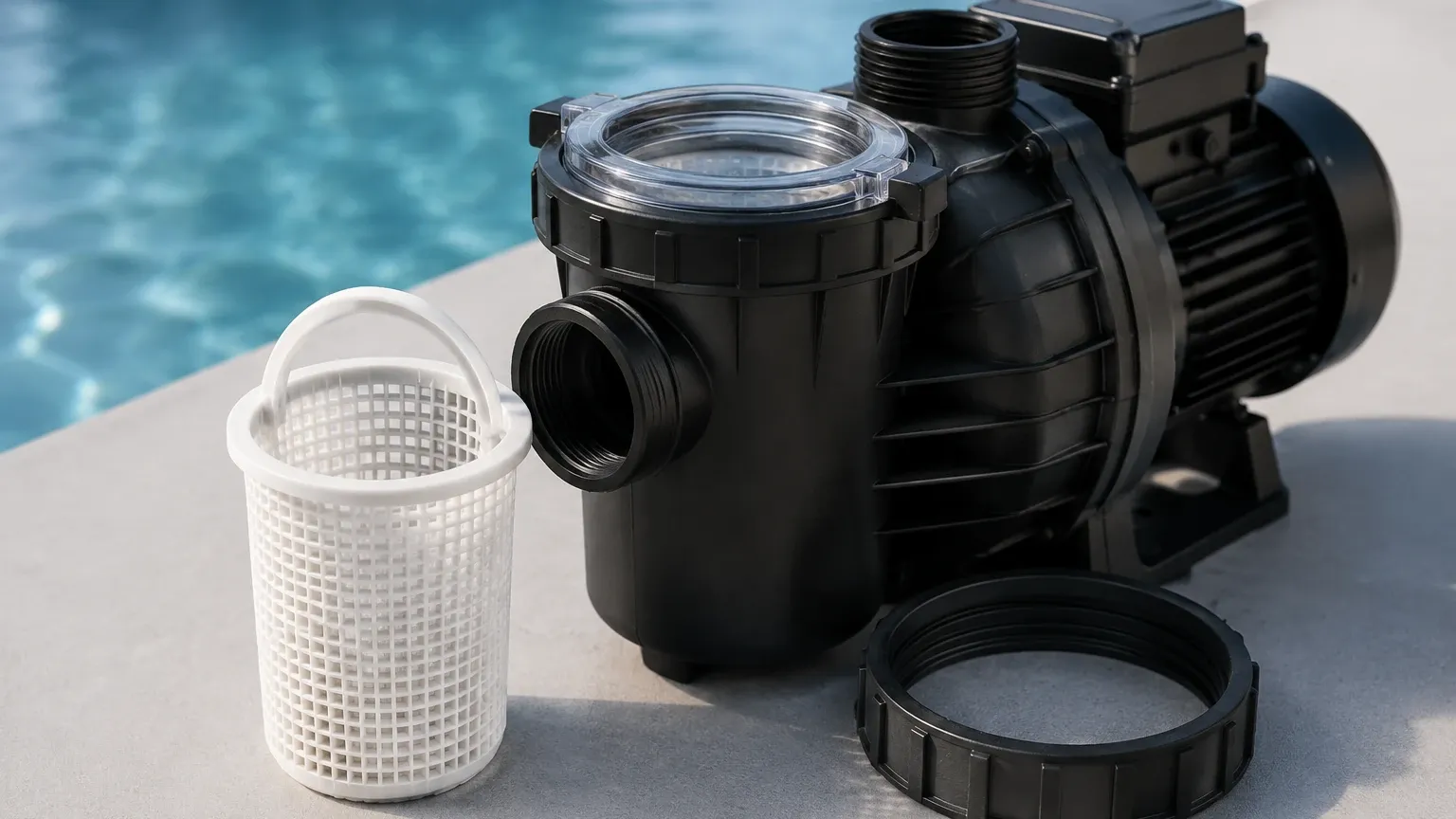
In industrial and commercial water management, the efficiency of a circulation system is heavily dependent on the integrity of its primary filtration components. The strainer basket swimming pool pump assembly serves as the first line of defense for the hydraulic system, protecting the pump impeller and downstream filtration media from debris that could cause mechanical failure or significant pressure drops. For engineers and facility managers, selecting the right Strainers & Baskets is not merely a matter of fitment, but a critical decision involving material science, fluid dynamics, and long-term operational costs.
While standard residential pumps often utilize plastic components, commercial and industrial applications—such as those found in large-scale aquatic centers, water parks, and industrial cooling loops—require more robust solutions. This guide examines the technical considerations, material requirements, and engineering specifications necessary for optimizing pump strainer performance.
The Role of the Strainer Basket in Pump Protection
The primary function of a strainer basket in a pump system is to intercept solid contaminants before they reach the pump’s internal moving parts. In a swimming pool pump configuration, this includes hair, lint, leaves, and smaller particulate matter that can bypass skimmer baskets.
From an engineering perspective, the strainer basket performs several vital roles:
1. Impeller Protection: The pump impeller is a precision-engineered component designed to move water at specific flow rates and pressures. Even small debris can cause erosion, imbalance, or catastrophic blockage if allowed to enter the volute.
2. Cavitation Prevention: A clogged or poorly designed strainer basket increases the vacuum on the suction side of the pump. If the pressure drop across the basket becomes too high, it can lead to cavitation—the formation and collapse of vapor bubbles—which causes pitting on the impeller and significantly shortens the pump's lifespan.
3. Flow Conditioning: The geometry of the basket influences the turbulence of the water as it enters the pump. Well-designed baskets ensure a more laminar flow, which improves the overall efficiency of the motor and reduces energy consumption.
Material Engineering: Why Stainless Steel Outperforms Plastics
In many industrial environments, the transition from plastic (polyethylene or ABS) to stainless steel strainer baskets is driven by the need for durability and chemical resistance. For a strainer basket swimming pool pump, the material must withstand constant exposure to oxidizing agents like chlorine and bromine, as well as varying pH levels and potentially high temperatures.
Corrosion Resistance
Stainless steel 304 and 316 are the industry standards for high-performance filtration. SS316, in particular, contains molybdenum, which provides superior resistance to pitting and crevice corrosion in chloride-rich environments—making it the preferred choice for saltwater pools and chemical processing applications.
Mechanical Strength
Unlike plastic baskets, which can become brittle over time due to UV exposure and chemical degradation, stainless steel maintains its structural integrity. This is crucial during "slug loading" events where a sudden influx of debris might create a high-pressure differential that could collapse a weaker plastic basket, sending shards of plastic and debris directly into the pump.
Thermal Stability
Industrial pump systems often operate at higher temperatures than residential systems. Stainless steel retains its shape and filtration accuracy across a wide temperature range, ensuring that the seal between the basket and the pump housing remains tight, preventing bypass.
Technical Specifications and Selection Criteria
When specifying a replacement or custom strainer basket, engineers must look beyond simple dimensions. The following technical parameters are essential for ensuring system compatibility and performance:
Micron Rating and Perforation Patterns
The filtration accuracy is determined by the size of the perforations or the mesh lining. For pump protection, the goal is to balance debris capture with flow rate. Common configurations include perforated sheet metal with hole diameters ranging from 1/16" to 1/4", or for finer filtration, a perforated core lined with stainless steel wire mesh. The choice depends on the specific debris profile of the facility.
Open Area Ratio
The "open area" refers to the total surface area of the holes divided by the total surface area of the basket. A higher open area ratio results in a lower initial pressure drop. Engineers typically aim for an open area that is at least 4 to 6 times the cross-sectional area of the pump's suction pipe to ensure that the pump is not "starved" for water as the basket begins to fill.
Dimensional Accuracy
A strainer basket must seat perfectly within the pump's strainer pot. Any gap between the basket rim and the housing allows unfiltered water to bypass the basket. Custom manufacturing allows for precision-machined flanges and O-ring grooves that ensure a 100% bypass-free seal.
Customization Options for Industrial Applications
Off-the-shelf solutions often fail to meet the rigorous demands of specialized industrial pumps. Custom-engineered Strainers & Baskets offer several advantages for OEM and retrofit projects:
* Reinforced Structures: For high-pressure systems, baskets can be designed with internal ribs or heavy-duty bottom plates to prevent deformation under heavy debris loads.
* Specialized Handles: Ergonomic handle designs, such as heavy-duty bail handles or T-bars, facilitate easier removal and cleaning, reducing maintenance downtime and improving safety for technicians.
* Variable Geometry: Custom baskets can be fabricated to fit non-standard pump housings, including elongated or tapered designs required by older or specialized pump models.
* Multi-Stage Filtration: Some industrial applications benefit from a dual-layer basket design, featuring a coarse outer layer for large debris and a fine inner mesh for smaller particulates, extending the service life of secondary filter media.
Maintenance, Performance Monitoring, and Replacement Cycles
The longevity of a strainer basket swimming pool pump system is directly linked to maintenance protocols. While stainless steel baskets are exceptionally durable, they are not "set and forget" components.
Monitoring Pressure Differentials
The most effective way to determine when a basket requires cleaning is by monitoring the pressure differential (ΔP) between the suction and discharge sides of the pump. A significant increase in ΔP indicates that the basket is reaching its holding capacity. Automated systems can be programmed to trigger an alarm when the ΔP exceeds a pre-set threshold, preventing pump strain.
Cleaning Procedures
Stainless steel baskets should be cleaned using non-abrasive tools to avoid damaging the protective oxide layer of the metal. For baskets used in chemical-heavy environments, periodic passivation can help restore the corrosion resistance of the surface, further extending the component's life.
Signs for Replacement
Even high-quality metal baskets eventually require replacement. Engineers should inspect for:
* Erosion of the Mesh: High-velocity water can eventually wear down the wires of a fine mesh lining.
* Structural Fatigue: Repeated pressure cycles can lead to stress cracks near welds or flanges.
* Permanent Deformation: If a basket has been subjected to extreme pressure, it may no longer seat correctly in the housing, leading to bypass.
Optimizing System Efficiency and Total Cost of Ownership
While the initial cost of a precision-engineered stainless steel strainer basket is higher than a plastic alternative, the Total Cost of Ownership (TCO) is significantly lower. The durability of metal components reduces the frequency of replacements, but more importantly, it protects the most expensive part of the system: the pump.
A single pump failure caused by a collapsed plastic basket can result in thousands of dollars in repair costs, labor, and facility downtime. By investing in high-quality filtration components, facility managers ensure consistent flow rates, lower energy consumption, and a more reliable water treatment process.
For purchasing teams, the key is to partner with a manufacturer that understands the technical nuances of industrial filtration. Providing detailed specifications—including pump model, flow rate, fluid chemistry, and debris type—allows for the development of a filtration solution that is perfectly matched to the application's requirements.
Conclusion
The strainer basket swimming pool pump component is a vital element in the broader context of industrial water management. By focusing on material quality, precise engineering, and appropriate customization, engineers can significantly enhance the reliability and efficiency of their hydraulic systems. Whether for a new installation or a retrofit of an existing facility, selecting a high-performance strainer basket is an essential step in safeguarding infrastructure and optimizing operational performance.
