


Strainer Basket Waste
In industrial fluid handling and wastewater management, the term "strainer basket waste" refers to the critical assembly designed to capture solid particulates from a liquid stream before it enters a drainage system or a downstream process. While often associated with commercial plumbing, in a B2B and industrial context, these components are high-performance filtration tools engineered to withstand corrosive chemicals, high temperatures, and significant mechanical stress. For engineers and facility managers, selecting the correct Strainers & Baskets is essential for protecting expensive pumping equipment, preventing pipeline blockages, and ensuring compliance with environmental discharge regulations.
Industrial strainer basket waste systems differ significantly from residential counterparts in their material composition, filtration precision, and structural integrity. This guide explores the technical specifications, engineering considerations, and selection criteria necessary for implementing effective filtration in demanding industrial environments.
Understanding the Role of Strainer Basket Waste in Industrial Systems
The primary function of a strainer basket waste assembly is the mechanical separation of solids from liquids. In industrial settings, this waste stream can contain anything from metal shavings and plastic pellets to organic debris and chemical precipitates. Without a robust basket strainer, these solids would accumulate in heat exchangers, damage pump impellers, or contaminate sensitive chemical batches.
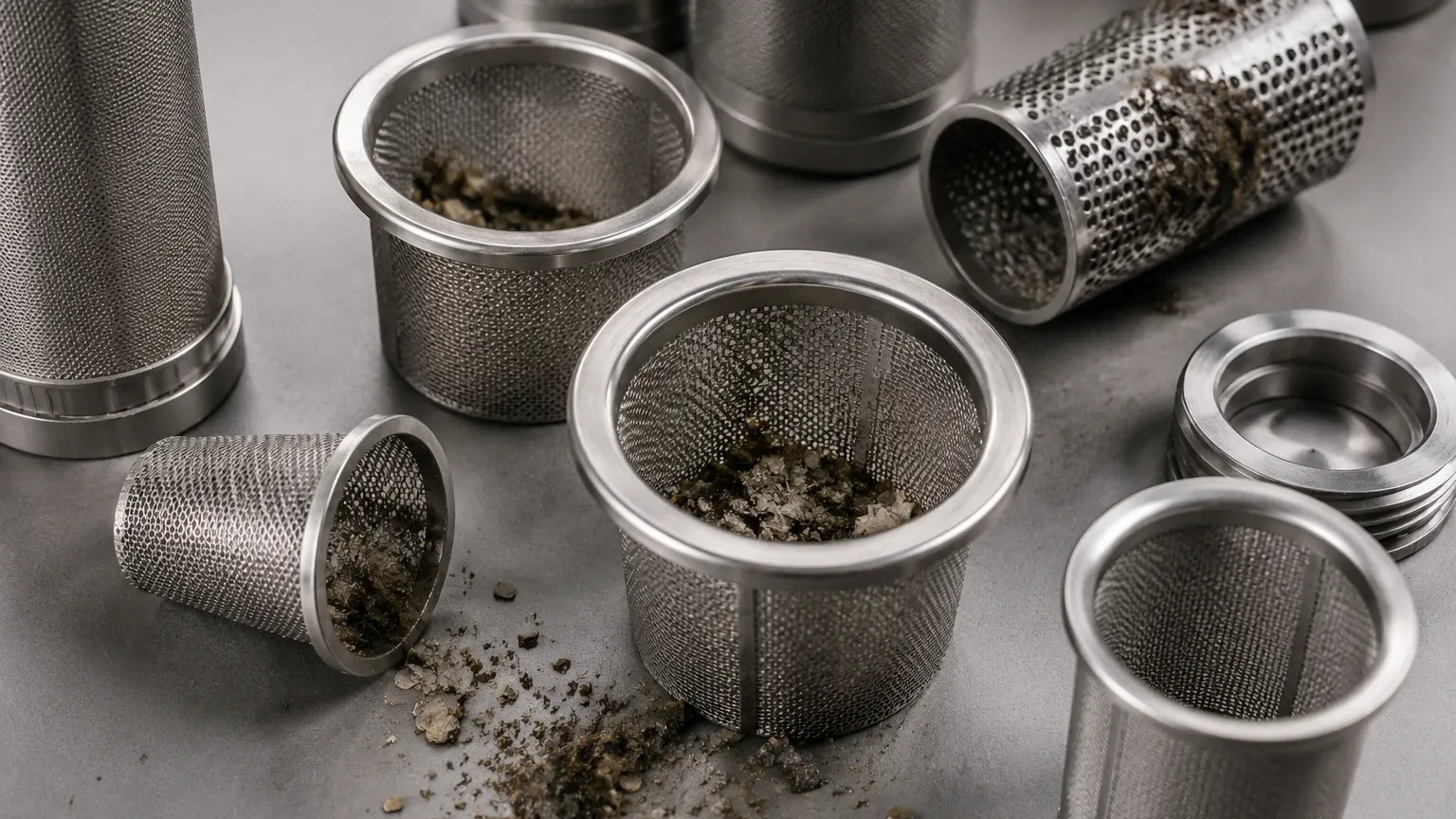
An industrial strainer basket typically consists of a housing and a removable basket. The basket is the primary functional element, often fabricated from perforated metal or woven wire mesh. The design must facilitate high flow rates while maintaining a low pressure drop. In many process industries, the "waste" captured by these strainers is not merely discarded; it may be reclaimed for recycling or analyzed for quality control purposes, making the reliability of the basket’s retention capabilities paramount.
Engineering Specifications and Material Selection
Material selection is the most critical factor in the longevity and performance of a strainer basket waste system. Because these components are frequently exposed to harsh process fluids, the choice of alloy determines the system's resistance to pitting, crevice corrosion, and stress corrosion cracking.
Stainless Steel Grades
Most industrial applications utilize stainless steel due to its superior mechanical properties and chemical resistance.
- SS304: Suitable for general-purpose applications, including food processing and mild chemical environments. It provides excellent strength and good corrosion resistance at a cost-effective price point.
- SS316/316L: The industry standard for more aggressive environments. The addition of molybdenum enhances resistance to chlorides and acids, making it the preferred choice for pharmaceutical manufacturing, marine applications, and heavy chemical processing.
Filtration Media: Perforated vs. Mesh
The construction of the basket depends on the required filtration accuracy.
- Perforated Metal: Used for coarse filtration (typically 1/2" down to 1/32"). It offers high structural strength and is ideal for capturing large debris.
- Woven Wire Mesh: For finer filtration requirements, a wire mesh liner is often added to the perforated basket. This allows for precision filtration down to the micron level (e.g., 5 to 500 microns). At Kaifil, we specialize in custom wire mesh configurations that balance filtration fineness with the mechanical support needed to prevent mesh collapse under high differential pressure.
Critical Performance Metrics for Industrial Strainers & Baskets
When evaluating a strainer basket waste solution, engineers must look beyond basic dimensions. Several performance metrics dictate the efficiency of the filtration process.
Open Area Ratio (OAR)
The Open Area Ratio is the relationship between the total area of the holes in the basket and the cross-sectional area of the inlet pipe. A high OAR is desirable because it reduces the frequency of cleaning and minimizes pressure drop. An industrial-grade basket should typically have an OAR of at least 6:1 or 8:1. If the OAR is too low, the strainer will clog rapidly, leading to system downtime and potential pump cavitation.
Pressure Drop (Delta P)
Pressure drop is the loss in fluid pressure as it passes through the strainer. A clean strainer should have a minimal Delta P. As the strainer basket waste accumulates debris, the pressure drop increases. Engineering teams must specify the maximum allowable pressure drop before the basket requires cleaning or replacement. Monitoring this via differential pressure gauges is a standard best practice in industrial maintenance.
Flow Velocity
The velocity of the fluid entering the strainer affects both the filtration efficiency and the wear rate of the basket. High-velocity streams can cause erosion of the mesh or force soft particulates through the filtration media. Proper sizing of the strainer housing and basket ensures that velocities remain within acceptable limits for the specific material being filtered.
Applications Across Key Industrial Sectors
Strainer basket waste systems are utilized across a broad spectrum of industries, each with unique technical requirements.
Food and Beverage Processing
In this sector, hygiene is the top priority. Strainer baskets must be manufactured with smooth surfaces (often electropolished) to prevent bacterial growth. They are used to remove pulp from juices, seeds from sauces, or spent grains in brewing. Compliance with FDA or 3-A sanitary standards is often a requirement for these components.
Chemical and Petrochemical Industry
These applications involve highly corrosive fluids and extreme temperatures. Strainer baskets here are often custom-engineered with reinforced structures to handle high-viscosity fluids and heavy solids loading. The integrity of the welds and the precision of the fit within the housing are vital to prevent "bypass," where unfiltered fluid escapes around the edges of the basket.
Industrial Water Treatment
Large-scale water treatment plants use strainer basket waste assemblies to protect membranes and UV disinfection systems. By removing sand, grit, and organic matter at the intake or intermediate stages, these strainers significantly extend the life of more expensive downstream filtration stages.
Customization and OEM Solutions for Specialized Waste Management
Off-the-shelf solutions often fail to meet the specific demands of complex industrial processes. Customization is where manufacturers like Kaifil provide the most value. Engineering teams should consider the following customization options when designing their filtration systems:
1. Bespoke Dimensions: Tailoring the basket diameter and depth to fit existing housings or restricted spaces.
2. Reinforcement Girdles: For high-pressure applications, adding external support structures to the basket to prevent deformation.
3. Handle and Lifting Options: In large-scale systems, the weight of a loaded basket can be significant. Custom handles, bails, or even mechanical lifting lugs facilitate safer and faster maintenance.
4. Multi-Stage Filtration: Designing baskets with multiple layers of different mesh sizes to capture a range of particle sizes in a single pass.
By working closely with an OEM manufacturer, purchasing teams can ensure that the Strainers & Baskets they procure are optimized for their specific flow rates and particulate characteristics, rather than settling for a generic component that may underperform.
Maintenance, Cleaning, and Lifecycle Management
The total cost of ownership (TCO) for a strainer basket waste system is heavily influenced by its maintenance requirements. While stainless steel baskets are durable, they are not indestructible.
Cleaning Protocols
Regular cleaning is essential to maintain system efficiency. In many industrial processes, a "duplex" strainer system is used, allowing one basket to be cleaned while the other remains in service. Cleaning methods vary from simple pressurized water rinsing to ultrasonic cleaning for fine mesh baskets that have become blinded by sticky or oily residues.
Signs of Wear and Failure
Engineers should inspect baskets for:
- Mesh Blinding: Permanent clogging of the mesh pores.
- Mechanical Deformation: Bowing or crushing of the basket due to excessive differential pressure.
- Erosion: Thinning of the metal near the inlet zone.
- Gasket Failure: If the basket relies on an O-ring or gasket for sealing, these must be checked for chemical degradation.
Replacement Cycles
While a high-quality stainless steel basket can last for years, the filtration media (the mesh) may need more frequent replacement depending on the abrasiveness of the waste. Standardizing on high-quality components ensures that replacement parts fit perfectly, maintaining the original engineering specifications of the system.
Technical Evaluation Before Purchase
Before finalizing a purchase for strainer basket waste components, technical professionals should confirm the following data points with their supplier:
- Chemical Compatibility: Does the alloy (304, 316, or exotic) match the pH and chemical makeup of the fluid?
- Particle Size Distribution: What is the smallest particle that must be captured, and what is the largest particle expected in the stream?
- Maximum Operating Pressure and Temperature: Will the basket maintain its structural integrity under peak load conditions?
- Seal Requirements: Are specific gasket materials like EPDM, Viton, or PTFE required for the application?
By addressing these factors during the design and procurement phase, industrial facilities can implement a strainer basket waste solution that maximizes uptime, protects downstream assets, and delivers reliable filtration performance over the long term.
