


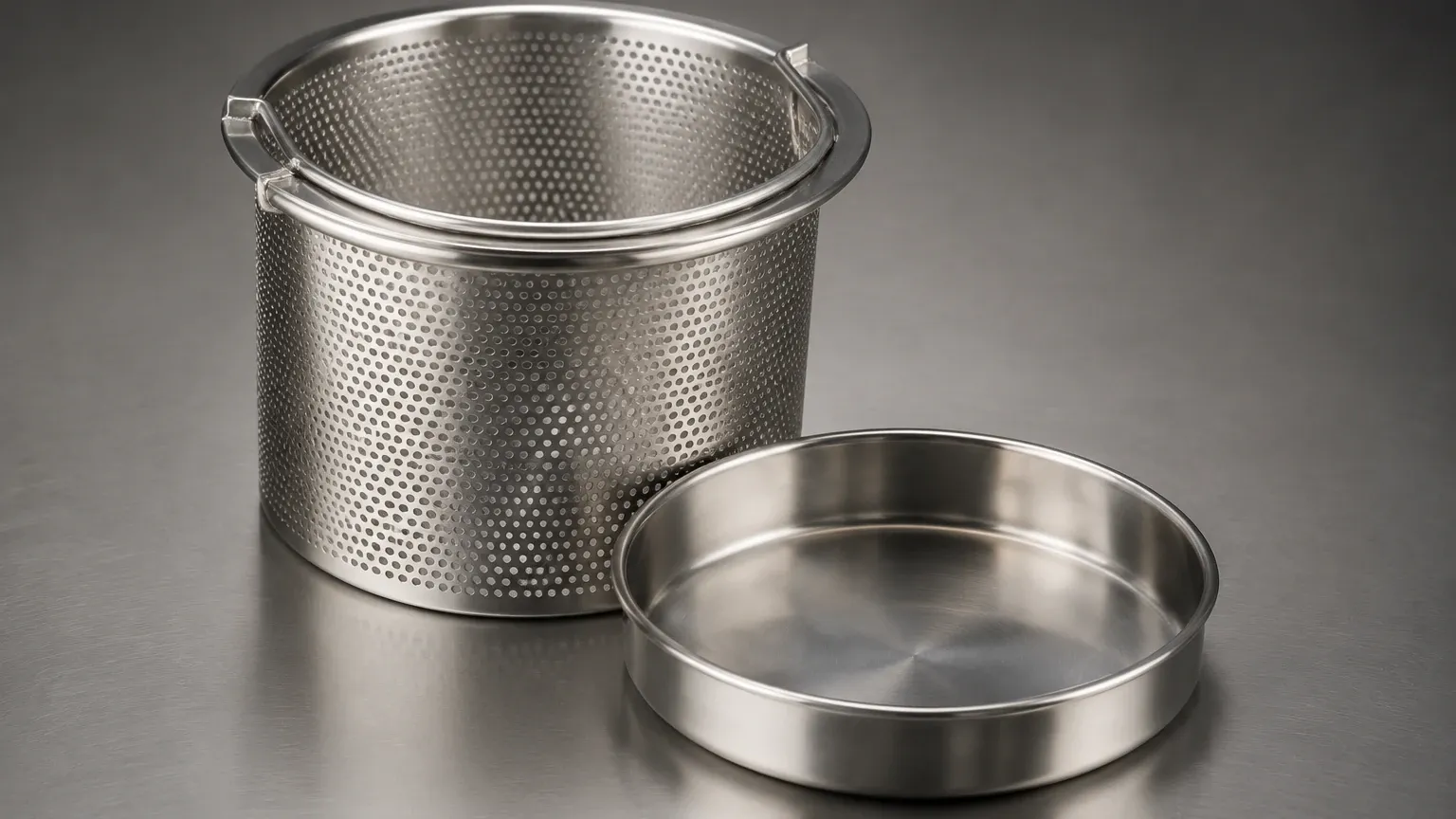
Strainer Basket with Tray
In industrial filtration and parts processing, the configuration of a strainer basket with tray serves as a critical component for both fluid management and operational safety. While standard filtration focuses primarily on the removal of particulates from a liquid stream, the addition of a tray—whether integrated as a support structure, a drip containment system, or a handling interface—addresses the practical challenges of maintenance and hygiene in demanding environments. For engineers and procurement teams, understanding the technical nuances of these assemblies is essential for optimizing process uptime and ensuring equipment longevity.
Industrial Strainers & Baskets are engineered to withstand high pressure, corrosive chemicals, and extreme temperatures. When these components are paired with specialized trays, they transition from simple filter elements to comprehensive process solutions. This guide examines the engineering considerations, material selections, and application-specific requirements that define high-performance strainer systems.
Understanding the Role of the Tray in Industrial Filtration
The term "strainer basket with tray" typically refers to one of two configurations in an industrial setting. The first is a filtration basket designed with an integrated drainage or drip tray, often used in batch processing where the basket must be removed from a housing or tank. The tray prevents hazardous or valuable fluids from contaminating the workspace during transfer. The second configuration involves a heavy-duty basket seated within a secondary tray for structural reinforcement or to facilitate automated handling in ultrasonic cleaning and chemical dipping lines.
From an engineering perspective, the tray serves several vital functions:
1. Fluid Containment: In chemical and food processing, preventing floor spills is both a safety and a regulatory requirement. A tray integrated into the basket design ensures that residual fluid is captured immediately upon removal from the process flow.
2. Structural Integrity: For large-scale baskets carrying heavy loads of metal parts or dense filter cake, a reinforced tray base distributes weight evenly, preventing the wire mesh from sagging or tearing under mechanical stress.
3. Process Positioning: In automated systems, the tray often acts as the interface for robotic arms or conveyor rails, ensuring the basket is perfectly aligned within the filtration housing or dip tank.
Engineering Considerations for Custom Strainer Baskets
When specifying a strainer basket with tray, the primary focus must be on the compatibility between the mesh media and the fluid being processed. Kaifil specializes in custom stainless steel solutions, where material selection is dictated by the chemical environment and the required filtration accuracy.
Material Selection
Stainless steel is the industry standard due to its durability and resistance to oxidation.
* Type 304 Stainless Steel: Suitable for general-purpose applications, including water treatment and mild chemical processing.
* Type 316L Stainless Steel: Preferred for pharmaceutical, food and beverage, and highly corrosive chemical environments due to its superior resistance to pitting and chloride-induced stress corrosion cracking.
Filtration Media and Micron Ratings
The choice of filtration media determines the efficiency of the strainer. Engineers must balance the need for fine filtration with the requirement for low pressure drop. Common media include:
* Woven Wire Mesh: Available in plain, twill, or dutch weaves, offering precise micron ratings from 5 microns up to several millimeters.
* Perforated Metal: Often used as a support layer for finer mesh or as a primary strainer for large debris removal. The hole pattern (staggered vs. straight) and the open area ratio significantly impact flow velocity.
* Wedge Wire: Ideal for high-viscosity fluids or applications requiring backwashing, as the V-shaped profile minimizes clogging.
Applications in Regulated Industries
The utility of a strainer basket with tray is most evident in industries where hygiene and precision are non-negotiable. Each sector presents unique challenges that influence the design of the filtration assembly.
Food and Beverage Processing
In food production, the tray component is often a sanitary requirement. It prevents cross-contamination between batches by ensuring that no liquid remains trapped in the basket's external frame. Components must be designed with smooth welds and no "dead zones" where bacteria can proliferate. Kaifil’s manufacturing process emphasizes high-quality surface finishes to meet these stringent hygiene standards.
Pharmaceutical Manufacturing
Precision is paramount in pharmaceutical applications. A strainer basket with tray used in this sector often requires electro-polishing to achieve a specific Ra (Roughness Average) value. The tray facilitates the safe transport of filtered active pharmaceutical ingredients (APIs) between different stages of the production line, minimizing material loss and exposure.
Chemical and Petrochemical Industry
In these environments, the tray often serves as a secondary containment measure. When straining catalysts or removing impurities from aggressive solvents, the tray ensures that any leakage during basket maintenance is contained, protecting both personnel and the surrounding infrastructure from corrosive damage.
Selection Criteria for Technical Professionals
Before purchasing or commissioning a custom strainer basket with tray, engineers should evaluate several key performance indicators (KPIs) to ensure the component is fit for purpose.
Pressure Drop and Flow Rate
Every filter introduces resistance to the fluid stream. It is critical to calculate the "clean" pressure drop across the basket and tray assembly. An undersized basket will lead to high differential pressure, necessitating frequent cleaning and potentially causing pump cavitation. The open area of the mesh should ideally be 3 to 4 times the cross-sectional area of the inlet pipe to ensure optimal flow.
Total Cost of Ownership (TCO)
While the initial purchase price is a factor, the TCO includes maintenance costs, replacement frequency, and the impact of downtime. A high-quality stainless steel strainer basket with tray from a professional manufacturer like Kaifil may have a higher upfront cost but offers a longer service life and reduced risk of failure compared to generic alternatives.
Customization and OEM Requirements
Off-the-shelf solutions rarely meet the specific needs of complex industrial systems. Technical teams should confirm if the manufacturer can provide:
* Custom dimensions to fit existing housings.
* Varied handle configurations (e.g., swing handles, fixed bails) for ergonomic removal.
* Reinforced bottoms or specialized tray attachments for high-load applications.
Maintenance and Operational Efficiency
The longevity of a strainer basket with tray depends heavily on the maintenance protocol. Unlike disposable filters, stainless steel baskets are designed for reuse, making the cleaning process a vital part of the operational cycle.
Cleaning Protocols
Depending on the contaminant, cleaning may involve backflushing, ultrasonic cleaning, or chemical soaking. The presence of an integrated tray can simplify this process by providing a stable base for the basket during the cleaning cycle. It is important to inspect the mesh for signs of "blinding" (permanent clogging) or mechanical damage such as wire displacement.
Replacement Cycles
Even the most durable stainless steel components have a finite lifespan. Fatigue can occur due to constant pressure fluctuations or repeated thermal cycling. Engineers should establish a routine inspection schedule to identify wear before a catastrophic failure occurs. Signs that a basket needs replacement include permanent deformation of the tray, thinning of the wire mesh, or a consistent increase in the baseline differential pressure after cleaning.
Why Engineering Expertise Matters in Filtration
Selecting a filtration solution is not merely about choosing a mesh size; it is about understanding the fluid dynamics and mechanical stresses of the specific application. A manufacturer like Kaifil provides the technical expertise necessary to bridge the gap between a conceptual design and a functional, high-performance component. By focusing on precision manufacturing and material integrity, Kaifil ensures that every strainer basket with tray meets the rigorous demands of global industrial sectors.
For those looking to optimize their filtration processes, reviewing the available Strainers & Baskets options is the first step toward achieving a more efficient and reliable system. Whether the requirement is for a standard OEM part or a fully customized filtration assembly, the emphasis must always remain on quality, durability, and precise performance.
Final Considerations Before Procurement
Before finalizing a specification, ensure the following technical details are confirmed with your supplier:
* Compatibility: Is the alloy compatible with the full range of chemicals and temperatures in the process?
* Capacity: Can the basket hold the expected volume of solids without exceeding the allowable pressure drop?
* Handling: Does the tray design align with the existing lifting equipment or manual handling safety protocols?
* Certification: Are material mill certificates and filtration efficiency reports available for quality assurance?
