


Basket Strainer 16 Inch
In large-scale industrial fluid handling, the integrity of downstream equipment such as pumps, valves, and heat exchangers depends heavily on the efficiency of primary filtration. A basket strainer 16 inch is a critical component designed for high-volume pipelines where significant flow rates must be maintained while protecting the system from debris, scale, and particulate matter. These large-bore strainers are engineered to balance high dirt-holding capacity with minimal pressure drop, ensuring that industrial processes remain continuous and efficient.
Selecting a 16-inch strainer requires a deep understanding of fluid dynamics, material compatibility, and structural engineering. As pipelines scale up to 16 inches in diameter, the physical stresses on the filtration housing and the internal basket increase exponentially. This guide examines the technical specifications, engineering considerations, and selection criteria essential for integrating a 16-inch basket strainer into industrial infrastructure.
The Engineering Significance of 16-Inch Basket Strainers
At a 16-inch pipe size, the volume of fluid being processed is substantial. These systems are typically found in municipal water treatment, large-scale chemical processing, cooling water loops for power plants, and oil and gas midstream operations. The primary role of the Strainers & Baskets in these environments is to provide a coarse-to-fine filtration stage that prevents mechanical damage to expensive rotating equipment.
The geometry of a 16-inch basket strainer is designed to provide a much larger surface area than the cross-sectional area of the pipe itself. This "Open Area Ratio" (OAR) is a vital metric. For a basket strainer 16 inch, an OAR of at least 6:1 or 8:1 is often targeted. This ensures that even as the basket collects debris, the system does not experience a catastrophic spike in differential pressure, which could lead to pump cavitation or pipe fatigue.
Material Selection for High-Volume Filtration
Material integrity is paramount when dealing with the flow velocities and pressures associated with 16-inch lines. Stainless steel remains the industry standard for high-performance applications due to its mechanical strength and resistance to various forms of corrosion.
304 Stainless Steel
304 stainless steel is the most common material for general-purpose industrial filtration. It offers excellent durability and resistance to oxidation. In 16-inch systems handling non-corrosive fluids or treated water, 304 provides a cost-effective solution that withstands high mechanical loads.
316 Stainless Steel
For environments involving brackish water, chemicals, or chlorides, 316 stainless steel is preferred. The addition of molybdenum enhances its resistance to pitting and crevice corrosion. In a basket strainer 16 inch, using 316SS for both the housing and the internal mesh ensures longevity in demanding pharmaceutical or chemical processing environments.
Specialized Alloys and Coatings
In highly aggressive environments, such as seawater intake or acidic chemical lines, engineers may specify Duplex stainless steel or epoxy-coated carbon steel. The choice of seal material—ranging from EPDM and Buna-N to Viton or PTFE—must also be matched to the chemical profile and temperature of the process fluid to prevent bypass or external leakage.
Design Configurations: Simplex vs. Duplex Systems
When specifying a 16-inch strainer, the operational requirements of the facility dictate the housing configuration.
Simplex Basket Strainers
A simplex basket strainer 16 inch is used in systems where the flow can be intermittently stopped. These are typically used in batch processing or on the suction side of pumps that have a scheduled downtime. The design focuses on a large, easily accessible basket chamber. Given the size of a 16-inch basket, these units often include davit arms or heavy-duty bolted covers to facilitate safe removal of the basket for cleaning.
Duplex Basket Strainers
For continuous-flow applications where shutdown is not an option, a duplex configuration is required. A 16-inch duplex strainer consists of two separate strainer chambers connected by a diversion valve. This allows one side to be cleaned while the other remains in operation. At the 16-inch scale, the diversion mechanism is usually a sliding gate or a linked butterfly valve system, engineered to provide a bubble-tight seal and prevent fluid loss during the changeover process.
Evaluating Flow Rate and Pressure Drop (ΔP)
The performance of a basket strainer 16 inch is measured by its clean pressure drop and its dirt-holding capacity. In large-diameter piping, the velocity of the fluid can create significant turbulence. Engineers must calculate the $C_v$ value (flow coefficient) to determine the pressure drop across the strainer at specific flow rates.
Factors affecting pressure drop include:
* Viscosity: Higher viscosity fluids require larger perforation sizes or specialized pleated mesh to maintain acceptable flow rates.
* Mesh Micron Rating: A finer mesh provides better filtration but increases the initial pressure drop. For 16-inch strainers, it is common to use a heavy-duty perforated plate as a support basket, lined with a finer stainless steel wire mesh.
* Percentage of Clogging: The design must account for the "dirty" state. A well-engineered 16-inch strainer will have sufficient internal volume to hold several gallons of debris before the differential pressure reaches a critical threshold.
Customization and Component Specifications
Standard off-the-shelf strainers may not meet the specific spatial or performance constraints of a complex industrial site. Customization of a basket strainer 16 inch often involves several engineering variables:
1. Connection Types: While ANSI flanged connections (Class 150, 300, or 600) are standard for 16-inch lines, some applications may require specialized hub connections or custom flange drillings to match existing infrastructure.
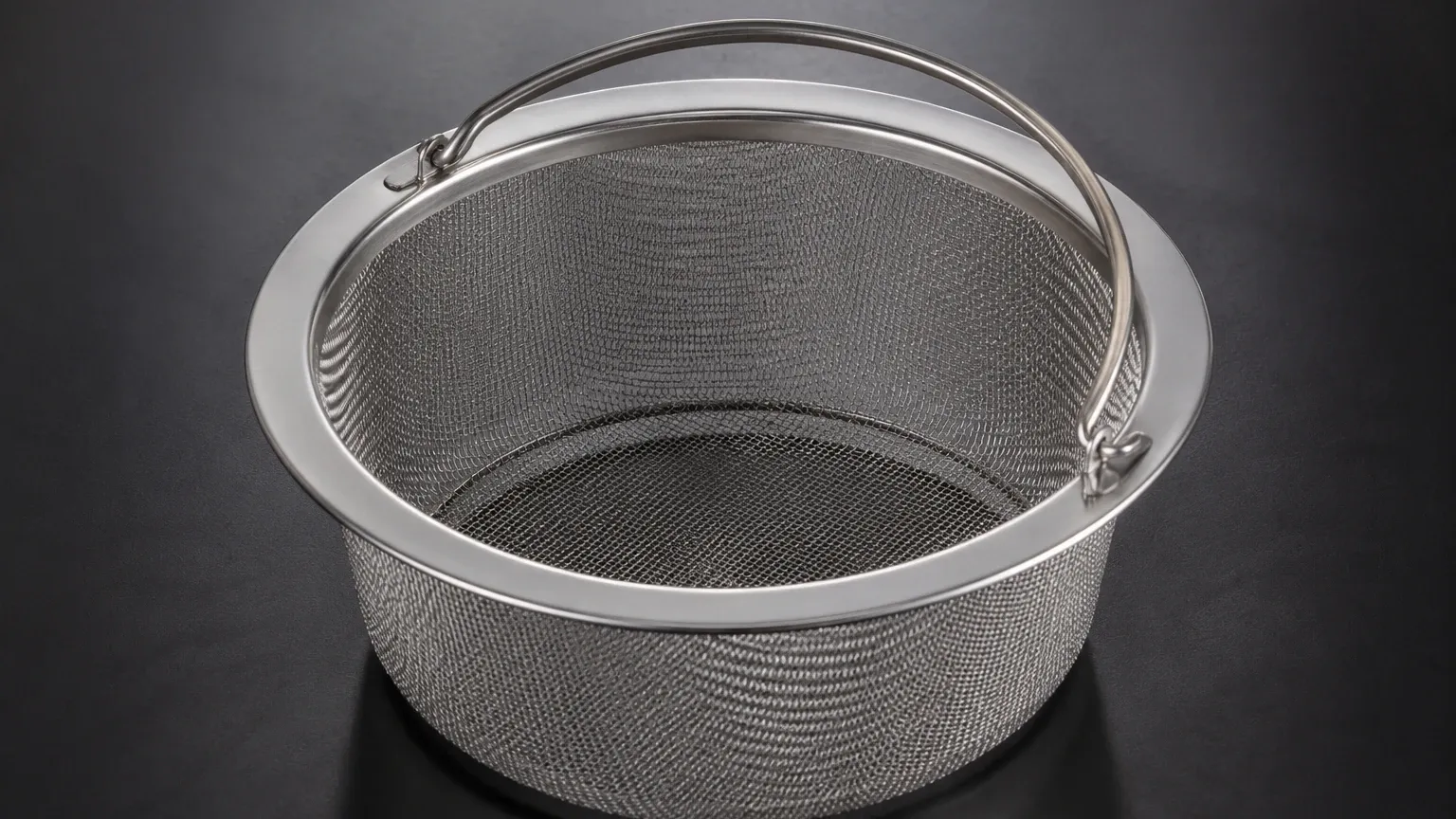
2. Basket Media: The internal basket can be customized with different perforation patterns (staggered vs. straight) and mesh weaves (plain, twilled, or Dutch weave). For high-pressure applications, reinforced baskets with external skeletons are used to prevent collapse under high differential pressure.
3. Vents and Drains: Large strainers must be properly vented to prevent air entrapment and drained to allow for safe basket removal. Custom 16-inch units often feature NPT or flanged drain ports and vent valves located at the highest and lowest points of the housing.
4. Differential Pressure Gauges: To optimize maintenance cycles, 16-inch strainers are frequently equipped with DP sensors. These can be integrated into the facility’s SCADA system to provide real-time alerts when the basket requires cleaning.
Installation and Maintenance Protocols
The physical size and weight of a basket strainer 16 inch necessitate specific installation considerations. These units can weigh several thousand pounds, requiring dedicated structural supports or foundations to prevent stress on the piping system.
Installation Best Practices
* Orientation: Ensure the strainer is installed in the correct flow direction, usually indicated by an arrow cast into the housing.
* Clearance: Provide ample overhead or side clearance for basket removal. For 16-inch units, this often means leaving several feet of space for a hoist or crane to lift the heavy basket.
* Support: Use pipe hangers and floor stands to support the weight of the strainer and the fluid it contains, especially during the cleaning process when the housing is full.
Maintenance and Cleaning
Maintenance of a large-bore strainer is a critical safety and operational task. Because a 16-inch basket can hold a significant weight of debris, manual lifting is often unsafe.
* Differential Pressure Monitoring: Cleaning should be performed when the ΔP reaches a predetermined limit (typically 5-10 psi over the clean drop).
* Safety Procedures: Before opening the housing, the system must be depressurized and drained. In chemical applications, the unit must be flushed to ensure operator safety.
* Inspection: During cleaning, the basket should be inspected for signs of mesh fatigue, wire breakage, or bypass around the basket seal. The housing seals/O-rings should be checked for compression set or chemical degradation.
Critical Factors for Procurement and Specification
When procuring a basket strainer 16 inch, engineering and purchasing teams should confirm the following technical details with the manufacturer:
* Design Code Compliance: Does the unit meet ASME Section VIII, Division 1, or other relevant pressure vessel codes?
* Hydrostatic Testing: Has the housing been tested to 1.5 times the maximum working pressure?
* Filtration Efficiency: What is the absolute vs. nominal micron rating of the mesh lining?
* Total Cost of Ownership: Beyond the initial purchase price, consider the cost of replacement baskets, the ease of seal replacement, and the expected service life of the housing in the specific process environment.
By focusing on these technical parameters, facilities can ensure that their 16-inch filtration solution provides the necessary protection for their high-value industrial assets.
Conclusion: Selecting the Right Filtration Partner
A basket strainer 16 inch is more than a simple filter; it is a heavy-duty engineering component that safeguards the continuity of industrial operations. Whether used in water treatment, chemical manufacturing, or the power industry, the performance of these large-scale units depends on precise manufacturing and robust design.
For engineers and procurement professionals, working with a manufacturer that understands the nuances of custom stainless steel fabrication is essential. From material selection to the final pressure testing, every stage of production must align with the demanding requirements of high-volume fluid handling. By prioritizing quality and technical accuracy, organizations can achieve a filtration system that offers reliable performance, simplified maintenance, and long-term durability in the most challenging industrial environments.
