


Basket Strainer 3 4
In industrial fluid handling systems, the protection of downstream components such as pumps, flow meters, and control valves is paramount to operational efficiency and equipment longevity. The basket strainer 3 4 (referring to the 3/4-inch nominal pipe size) is a critical component in small-bore piping systems designed to remove unwanted solids from liquids, gases, or steam. Unlike Y-strainers, which are often used for cleaner fluids with lower contaminant loads, basket strainers are engineered for applications requiring higher dirt-holding capacity and easier maintenance access.
Selecting the correct 3/4-inch basket strainer requires a deep understanding of fluid dynamics, material science, and the specific mechanical requirements of the process line. For engineers and procurement teams, the decision involves balancing filtration precision with flow requirements and total cost of ownership.
Technical Specifications and Sizing for 3/4-Inch Basket Strainers
The designation "3/4" refers to the nominal pipe size (NPS) of the inlet and outlet ports. In industrial environments, these connections are typically provided in several configurations to match existing piping standards. The most common include National Pipe Thread (NPT), Socket Weld (SW), and Flanged (ANSI/ASME B16.5) connections.
For a 3/4-inch system, the internal volume of the strainer housing is significantly larger than the cross-sectional area of the pipe itself. This design allows the fluid to slow down as it enters the strainer body, permitting heavier particles to settle and ensuring that the fluid passes through the filtration media at a lower velocity. This reduction in velocity is essential for minimizing the pressure drop across the Strainers & Baskets and preventing the premature "blinding" of the mesh screen.
When specifying a basket strainer 3 4, engineers must confirm the pressure rating of the housing. Standard industrial units are often rated for Class 150, 300, or 600 service. A Class 150 stainless steel strainer, for example, is typically rated for approximately 275 PSI at ambient temperatures, though this rating decreases as the operating temperature increases. Accurate pressure and temperature data are non-negotiable for safe installation.
Material Selection and Industrial Durability
The material of construction for both the housing and the internal basket is the primary factor determining the strainer's lifespan. In the B2B sector, where chemical compatibility and hygiene are often critical, stainless steel is the industry standard.
1. Type 304 Stainless Steel: This is the most common material for general industrial use. It offers excellent strength and good corrosion resistance for water treatment, cooling systems, and non-corrosive chemical applications.
2. Type 316/316L Stainless Steel: For more demanding environments, such as pharmaceutical processing, food and beverage production, or marine applications, 316L is preferred. The addition of molybdenum provides superior resistance to pitting and crevice corrosion, particularly in chloride-rich environments.
3. Exotic Alloys: In highly aggressive chemical processing or high-temperature steam applications, materials like Monel, Hastelloy, or Duplex stainless steel may be required to prevent catastrophic failure.
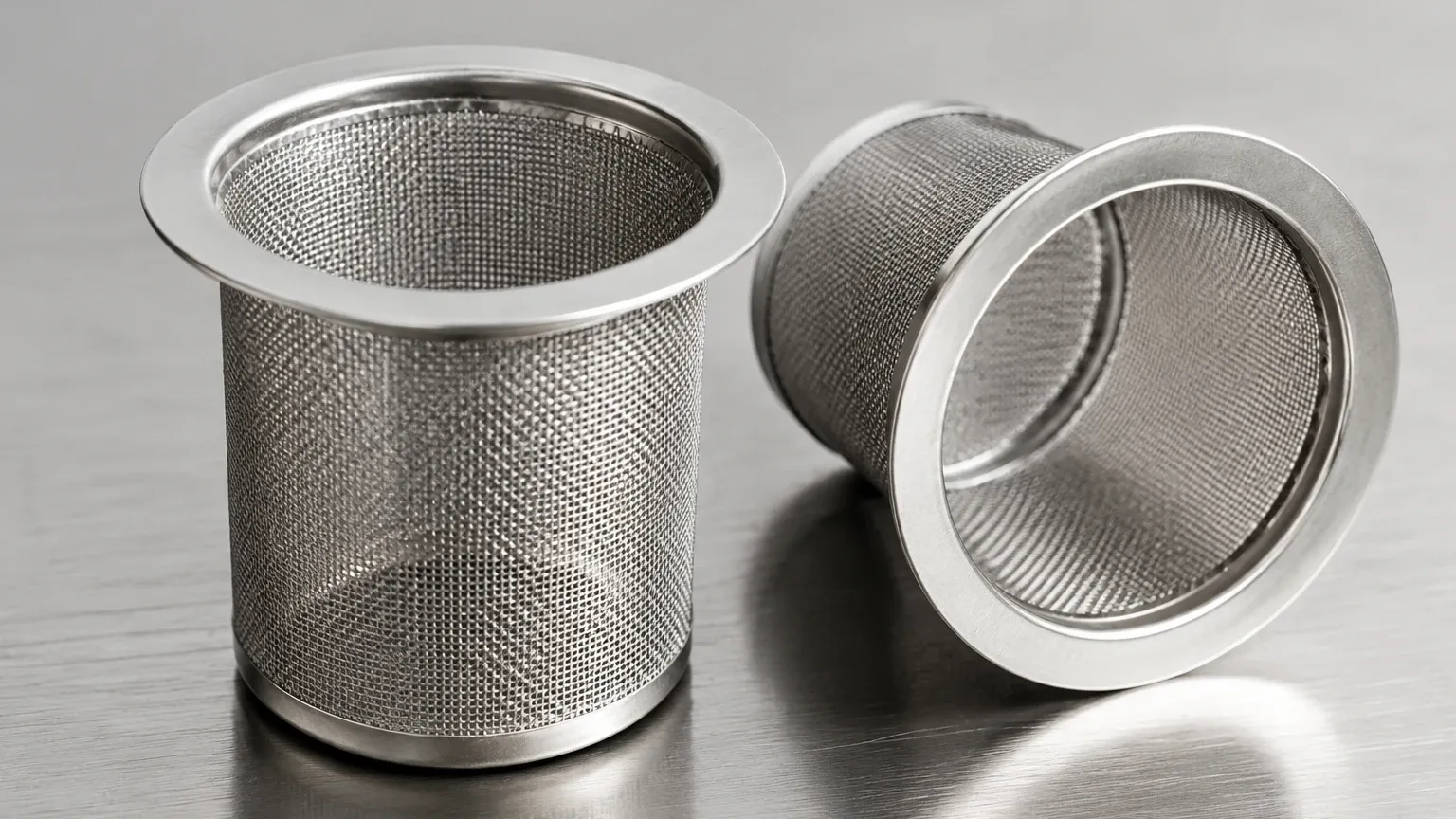
The internal basket—the heart of the filtration unit—must also be compatible with the fluid. Most baskets consist of a perforated metal support sheet lined with a fine wire mesh. The choice of mesh size (ranging from coarse 20 mesh to ultra-fine 400 mesh) depends entirely on the size of the particles that need to be removed to protect downstream equipment.
Evaluating Filtration Performance: Flow Rate and Pressure Drop
One of the most common mistakes in procuring a basket strainer 3 4 is overlooking the clean pressure drop (ΔP). Every strainer introduces a restriction to the flow. The flow coefficient (Cv) defines the number of gallons per minute (GPM) of water that will pass through the strainer with a 1 PSI pressure drop. For a standard 3/4-inch basket strainer, the Cv value typically ranges between 6 and 12, depending on the internal geometry and the mesh size installed.
Engineers must calculate the total pressure drop by considering:
* Fluid Viscosity: Thicker fluids (like oils or syrups) require more energy to pass through the mesh, resulting in a higher pressure drop.
* Specific Gravity: Heavier fluids increase the resistance.
* Mesh Open Area: A 100-mesh screen has significantly less open area than a 20-mesh screen. If the open area of the basket is less than 100% of the pipe's cross-sectional area, the pressure drop will be substantial.
A common engineering guideline is to select a strainer that provides an "Open Area Ratio" (OAR) of at least 6:1. This means the total open area of the holes in the basket is six times the internal cross-sectional area of the 3/4-inch inlet pipe. A higher OAR allows for longer run times between cleaning cycles and lower operational costs due to reduced pumping requirements.
Customization Options for Specialized Industrial Applications
While standard off-the-shelf units satisfy many requirements, specialized industrial processes often demand customized Strainers & Baskets. Customization ensures that the filtration component integrates seamlessly into complex skids or high-purity lines.
* Magnetic Inserts: For hydraulic systems or metalworking applications, magnetic rods can be suspended inside the basket. These capture fine ferrous particles that might otherwise pass through a standard mesh, providing an extra layer of protection for sensitive pumps.
* Differential Pressure Taps: High-end 3/4-inch strainers can be equipped with upstream and downstream ports for the installation of differential pressure gauges or transmitters. This allows maintenance teams to monitor the clogging level in real-time, moving from reactive to predictive maintenance.
* Heating Jackets: In industries like chocolate production or heavy oil processing, fluids must be kept at a specific temperature to maintain flow. Steam or hot oil jackets can be welded to the exterior of the strainer housing to prevent the fluid from solidifying or becoming too viscous inside the basket.
* Surface Finishes: For the pharmaceutical and food sectors, the internal and external surfaces of the stainless steel strainer may require electropolishing or a specific Ra (roughness average) finish to prevent bacterial growth and ensure effective Clean-in-Place (CIP) cycles.
Maintenance Protocols and Operational Longevity
The primary advantage of a basket strainer over a Y-strainer is the ease of maintenance. Most 3/4-inch basket strainers feature a top-entry design with a bolted or quick-release cover. This allows the operator to remove the basket for cleaning without dismantling the entire piping system.
To ensure the longevity of a basket strainer 3 4, the following maintenance steps are recommended:
1. Regular Inspection of Seals: The cover gasket or O-ring (typically made of Viton, EPDM, or PTFE) must be inspected every time the basket is removed. A compromised seal can lead to leaks or, in vacuum applications, the introduction of air into the system.
2. Basket Cleaning: Baskets should be cleaned using a soft brush or ultrasonic bath. Using high-pressure air or wire brushes can damage fine mesh linings, leading to "bypass," where contaminants pass through holes in the damaged media.
3. Monitoring Pressure Drop: If the differential pressure exceeds 10-15 PSI, the basket should be cleaned immediately. Operating a strainer with a heavily clogged basket can cause the basket to collapse or the housing to rupture due to excessive pressure build-up.
In continuous flow applications where the process cannot be shut down for cleaning, engineers should consider a "Duplex" configuration. A duplex strainer consists of two 3/4-inch basket strainers connected by a diverter valve, allowing flow to be switched to the clean side while the dirty side is serviced.
Procurement Considerations for Engineering Teams
When sourcing a basket strainer 3 4, the total cost of ownership (TCO) should take precedence over the initial purchase price. A low-cost strainer with a poorly designed basket may require more frequent cleaning, leading to increased labor costs and process downtime. Furthermore, the availability of replacement baskets and gaskets is a critical factor; choosing a manufacturer with robust OEM support ensures that the system remains operational for decades.
Before finalizing a purchase, technical professionals should confirm the following data points with the manufacturer:
* Maximum Allowable Working Pressure (MAWP) at the maximum operating temperature.
* Hydrostatic Test Pressure: Usually 1.5 times the MAWP.
* Material Traceability: Request Mill Test Reports (MTRs) to verify the chemical composition of the stainless steel.
* Filtration Rating: Clearly define whether the requirement is for "nominal" or "absolute" filtration.
By focusing on these technical details, engineering teams can ensure that their 3/4-inch filtration solution provides reliable, low-maintenance service in even the most demanding industrial environments. Whether the application involves protecting a delicate chemical dosing pump or ensuring the purity of a food-grade liquid, the right basket strainer is an investment in the integrity of the entire production line.
