


Filter Flavor Pack or Box
In the landscape of industrial filtration, particularly within the food, beverage, and chemical processing sectors, the precision of a filtration component can be the determining factor between a high-quality end product and a costly batch failure. For engineers and procurement specialists, the term "filter flavor pack or box" often surfaces when discussing the specialized assemblies used to process aromatic compounds, essential oils, and flavor concentrates. Whether you are managing a high-volume extraction line or a precision chemical synthesis process, understanding the technical nuances of Filter Discs & Packs is essential for optimizing both performance and cost-efficiency.
This guide examines the engineering considerations behind these components, the material science that ensures product integrity, and the strategic decision-making process required to choose between specialized filter packs and bulk-ordered filter boxes.
Defining the Filter Flavor Pack or Box in Industrial Contexts
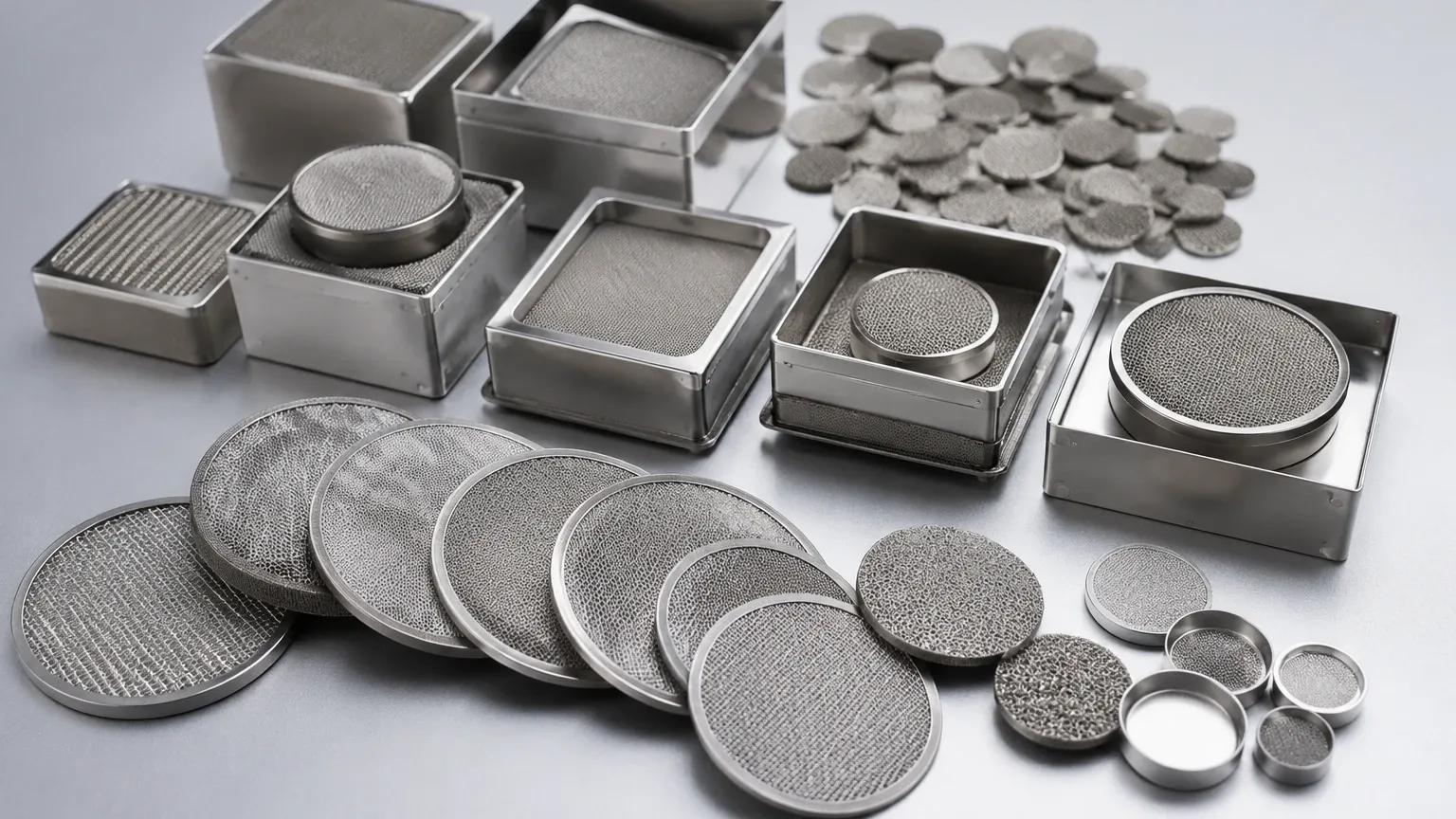
When discussing a "filter flavor pack or box," it is necessary to distinguish between the physical assembly of the filter and the logistical packaging of the components. In many high-precision industries, a "flavor pack" refers to a multi-layered, often spot-welded or rimmed filter assembly designed to be inserted into a specific part of a processing manifold. These packs are engineered to withstand high pressures while maintaining a specific micron rating that allows flavor molecules to pass through while trapping unwanted particulates.
Conversely, a "box" may refer to the bulk supply of individual filter discs used for routine maintenance in high-throughput environments. For an engineer, the choice isn't just about the quantity; it is about the structural integrity of the filtration media. A "pack" provides depth filtration and structural support, whereas a "box" of single-layer discs might be intended for simpler, surface-level filtration tasks or as sacrificial pre-filters.
The Role of Multi-Layer Assemblies
Multi-layer filter packs are often composed of several layers of stainless steel wire mesh, ranging from coarse support layers to fine filtration layers. This configuration is critical in flavor-sensitive applications where the "flavor pack" must ensure that no metallic taste is imparted and that the flow remains laminar to prevent the degradation of volatile organic compounds (VOCs).
Technical Specifications of Filter Discs & Packs
The performance of any Filter Discs & Packs is dictated by the specifications of the wire mesh used in its construction. For industrial applications, these specifications are not merely suggestions but rigid requirements that must be met to ensure process stability.
Mesh Weave Types
1. Plain Weave: The most common type, where each warp wire crosses alternately over and under each weft wire. It provides high precision for surface filtration.
2. Dutch Weave: This weave uses a heavier warp wire and a finer weft wire, resulting in a much denser mesh. It is ideal for high-pressure applications where a "flavor pack" must maintain its shape under stress.
3. Twill Weave: Used for finer filtration, where wires are woven two over and two under, allowing for a heavier wire to be used for a given mesh count.
Micron Rating and Porosity
The micron rating defines the size of the particles that the filter will effectively remove. In flavor extraction, the goal is often to remove microscopic sediment without stripping the product of its essential characteristics. Achieving this requires a precise pore size distribution, which is often better managed through multi-layer packs than single-layer discs. Porosity, or the open area of the mesh, also determines the flow rate and the rate of pressure increase as the filter becomes loaded with contaminants.
Material Selection: Why Stainless Steel is Essential for Flavor Integrity
In the debate of a filter flavor pack or box, material selection is the most critical factor for B2B buyers in the food and pharmaceutical industries. Kaifil specializes in stainless steel solutions because of the material's inherent resistance to corrosion and its ability to withstand extreme temperatures.
SS304 vs. SS316L
* Stainless Steel 304: Suitable for general industrial use and many food-grade applications. It offers good corrosion resistance and is cost-effective for bulk "box" orders of filter discs.
* Stainless Steel 316L: The "L" stands for low carbon, which provides superior resistance to corrosion, particularly against chlorides and acidic environments common in flavor concentrates and chemical processing. For a high-performance "flavor pack," 316L is the industry standard to ensure that the filter does not react with the medium, which could lead to "off-flavors" or chemical contamination.
Surface Treatments and Cleaning
Industrial filter packs often undergo specialized treatments such as ultrasonic cleaning or passivation. These processes remove residual oils from the manufacturing process and enhance the chromium oxide layer on the steel, ensuring the filter is chemically inert before it ever touches the product.
Structural Design: Single-Layer Discs vs. Multi-Layer Packs
Understanding the structural differences between a single disc and a multi-layer pack helps engineers determine the total cost of ownership (TCO). While a box of single-layer discs may have a lower initial purchase price, the operational life and performance of a multi-layer pack often provide better value.
Spot-Welded vs. Rimmed Packs
* Spot-Welded Packs: Multiple layers of mesh are joined at specific points. This is an economical way to create a multi-stage filter that is easy to handle and install.
* Rimmed Packs: These packs feature a metal rim (often aluminum, copper, or stainless steel) around the edge. The rim provides a superior seal within the housing, preventing "bypass"—a common failure where unfiltered fluid escapes around the edges of the filter. In a precision flavor pack, a rimmed edge is often required to ensure 100% filtration efficiency.
Sintered Filter Packs
For the most demanding applications, layers of wire mesh are sintered together. Sintering involves heating the mesh in a vacuum furnace until the contact points of the wires fuse. This creates a permanent, rigid structure that cannot migrate or shift under high pressure. Sintered Filter Discs & Packs are the gold standard for applications where zero fiber migration is a requirement.
Performance Metrics: Flow Rate, Pressure Drop, and Micron Rating
When evaluating a filter flavor pack or box, engineers must look at the performance curves. A well-designed filter pack should offer a low initial pressure drop (ΔP). As the filter traps particles, the pressure drop increases; once it reaches a terminal pressure, the filter must be cleaned or replaced.
Managing the Pressure Differential
In flavor processing, a sudden spike in pressure can cause shear stress on the product, potentially altering its chemical profile. Multi-layer packs are designed to distribute the particulate load across several stages, which extends the time between replacements compared to a single-layer disc. This "depth" effect allows for a more gradual increase in pressure, providing a more stable environment for sensitive fluids.
Flow Consistency
The geometry of the wire mesh determines the laminar or turbulent nature of the flow. In B2B applications where consistency is key, using high-quality stainless steel packs ensures that the flow rate remains predictable throughout the production cycle.
Procurement and Customization: Evaluating the Right Solution
For procurement teams, the decision often comes down to the specific requirements of the OEM equipment. Most industrial filtration systems are designed for a specific thickness and diameter of filter. Working with a manufacturer like Kaifil allows for the customization of these dimensions to fit existing "flavor boxes" or filtration housings perfectly.
Information to Confirm Before Purchasing
Before placing an order for a filter flavor pack or box, technical teams should confirm the following:
1. Operating Temperature and Pressure: Ensure the mesh and the binding method (welding vs. rimming) can handle the thermal and mechanical stress.
2. Chemical Compatibility: Verify that the stainless steel grade is compatible with the acidity or alkalinity of the flavor pack or chemical medium.
3. Micron Retention Requirements: Determine if the process requires absolute or nominal filtration.
4. Replacement Cycle: Evaluate the cost-benefit of a cleanable sintered pack versus a disposable mesh pack.
Custom OEM Solutions
Many industrial applications require non-standard shapes or specialized layering. Customization options include kidney-shaped discs, oval packs, or multi-mesh configurations that combine a 100-mesh support layer with a 5-micron filtration layer. By opting for a customized Filter Discs & Packs solution, manufacturers can reduce downtime and improve the purity of their final product.
Conclusion
Choosing the right filter flavor pack or box is a technical decision that impacts the entire production chain. While a "box" of standard discs might suffice for basic straining, the complex demands of flavor preservation, chemical purity, and high-pressure processing usually necessitate the use of engineered filter packs. By focusing on material quality, weave precision, and structural integrity, engineers can ensure that their filtration systems deliver consistent, high-quality results with minimal operational risk. Whether you require standard sizes or a fully customized OEM assembly, selecting the right stainless steel filtration component is the first step toward optimized industrial performance.
