


420 Filter Cartridges
In industrial filtration, the selection of material and structural design is a critical engineering decision that directly impacts the longevity of equipment and the purity of the final product. While 300-series stainless steels like 304 and 316L are frequently the default choice for general corrosion resistance, specific applications requiring high mechanical strength, wear resistance, and the ability to withstand abrasive particulates often necessitate the use of specialized alloys. Among these, 420 stainless steel serves as a robust material for high-performance filtration components. Understanding the technical nuances of 420 filter cartridges is essential for engineers and procurement teams tasked with optimizing filtration systems in demanding environments.
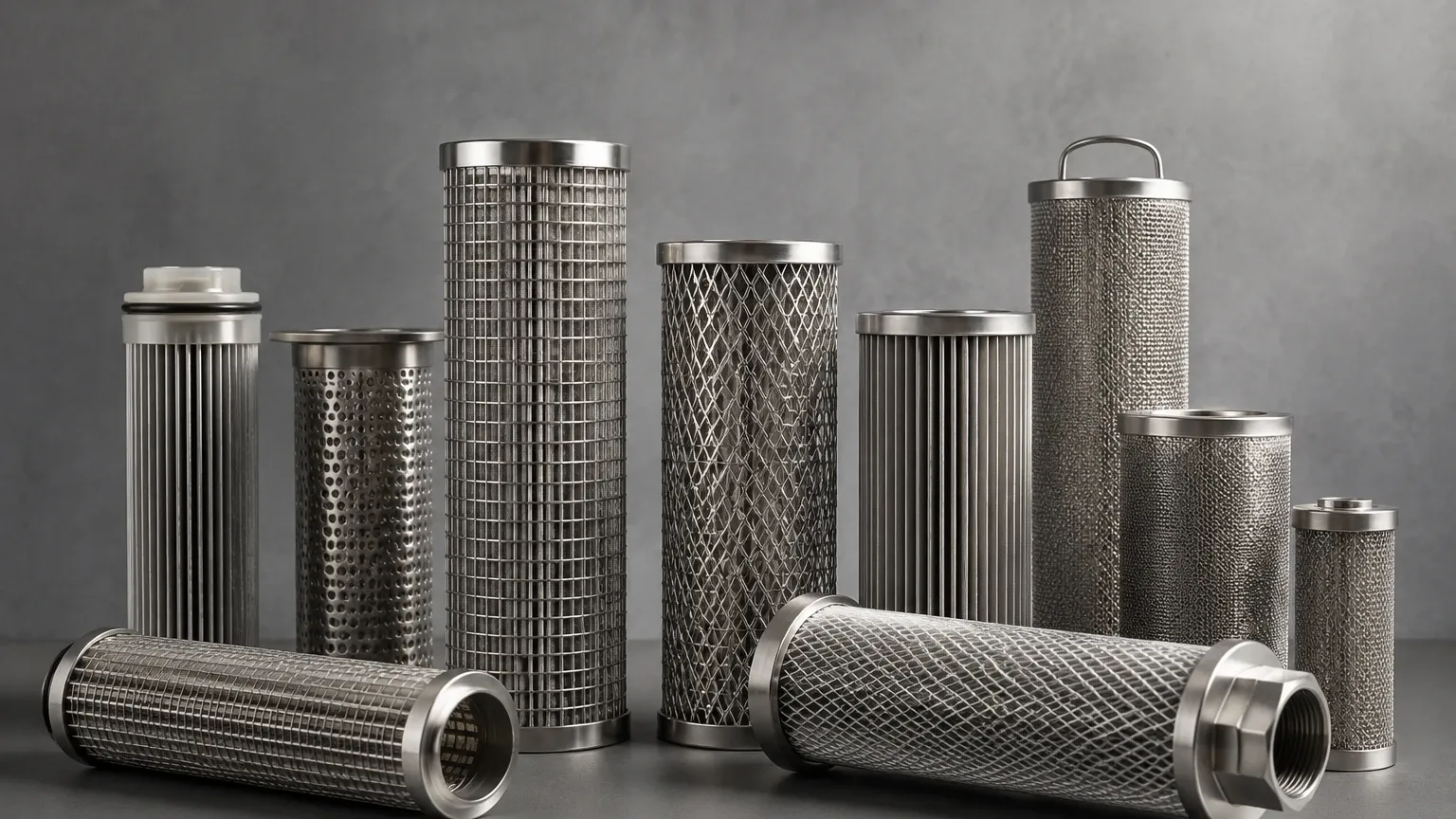
Industrial Filter Cartridges are more than simple consumables; they are precision-engineered components that must maintain structural integrity under fluctuating pressures, temperatures, and chemical exposures. When evaluating 420 filter cartridges, it is necessary to look beyond the surface dimensions and examine the metallurgical properties, manufacturing techniques, and application-specific performance metrics that define their utility.
The Role of Grade 420 Stainless Steel in Filtration
Grade 420 stainless steel is a martensitic alloy that contains a minimum of 12% chromium, which provides sufficient corrosion resistance for many industrial environments. Unlike the austenitic 300-series steels, 420 stainless steel is heat-treatable, allowing it to achieve high levels of hardness and tensile strength. This makes it an ideal candidate for filter media and support structures that must endure physical stress.
In the context of 420 filter cartridges, the material's primary advantage is its resistance to erosion and abrasion. In systems where the fluid stream contains hard, sharp, or abrasive particulates—such as metal shavings in hydraulic oil or mineral fines in industrial process water—softer alloys may suffer from premature wear or pore enlargement. The higher surface hardness of 420 steel ensures that the filtration mesh or sintered structure maintains its rated micron size over a longer operational lifespan.
However, engineers must also consider the trade-offs. While 420 provides excellent strength, its corrosion resistance is lower than that of 316L, particularly in highly acidic or chloride-rich environments. Therefore, the selection of 420 filter cartridges is typically driven by mechanical requirements rather than purely chemical ones.
Engineering Considerations for Industrial Filter Cartridges
When designing or selecting Filter Cartridges for a B2B application, several engineering parameters must be verified to ensure the component is fit for purpose. These considerations are especially vital when dealing with specialized materials like 420 stainless steel.
Micron Rating and Filtration Efficiency
Filtration efficiency is defined by the cartridge's ability to remove particles of a specific size. This is expressed as either a nominal or absolute micron rating. For precision applications, absolute-rated cartridges are preferred, as they guarantee a specific retention efficiency (often 99.9% or higher). In 420 filter cartridges, the rigidity of the martensitic steel helps prevent "pore migration," a phenomenon where pores expand under high differential pressure, allowing oversized contaminants to pass through the media.
Differential Pressure and Collapse Strength
The differential pressure ($ΔP$) is the difference in pressure between the upstream and downstream sides of the filter. As contaminants accumulate on the surface of the filter media, $ΔP$ increases. Industrial Filter Cartridges must be engineered with a high collapse strength to prevent structural failure before the cleaning cycle is initiated. The high yield strength of 420 stainless steel allows for the construction of thinner, lighter filter elements that still possess the mechanical backbone to withstand significant pressure spikes.
Flow Rate and Permeability
Optimizing the flow rate requires a balance between the surface area of the filter and the permeability of the media. Pleated designs are often used to maximize the effective filtration area within a standard cartridge footprint. When utilizing 420 filter cartridges, the pleating process must be handled with precision to avoid stress cracking, ensuring that the hardened steel maintains its integrity at the fold points.
Applications for 420 Filter Cartridges
The unique properties of 420 stainless steel make these cartridges suitable for specific industrial sectors where durability is the priority.
Hydraulic and Lubrication Systems
In high-pressure hydraulic systems, particulate contamination is the leading cause of component failure. 420 filter cartridges are frequently employed to protect sensitive valves and pumps. The material's ability to resist the abrasive nature of metallic wear particles ensures that the filter does not degrade even when subjected to high-velocity fluid streams.
Chemical and Petrochemical Processing
While 316L is common in the chemical industry, 420 is utilized in specific stages where the process fluid is non-corrosive but high in solids content. It is often found in the filtration of catalysts or in the processing of heavy oils where mechanical robustness is required to handle the viscosity and particulate load of the medium.
Food and Beverage Production
In certain food processing applications, particularly those involving the filtration of viscous syrups or ingredients that may contain abrasive crystals (like sugar), the wear resistance of 420 stainless steel is beneficial. Furthermore, because 420 can be polished to a high finish, it supports the sanitary requirements of the industry by minimizing areas where bacteria can lodge.
Comparing 420 with Other Stainless Steel Grades
To make an informed purchasing decision, it is helpful to compare 420 filter cartridges with other common metal filter materials.
| Feature | 304 Stainless Steel | 316L Stainless Steel | 420 Stainless Steel |
| :— | :— | :— | :— |
| Corrosion Resistance | Moderate | High | Low to Moderate |
| Hardness/Strength | Low | Low | High |
| Heat Treatable | No | No | Yes |
| Primary Benefit | Cost-effectiveness | Chemical stability | Wear resistance |
| Common Use | General purpose | Pharmaceuticals/Acids | Hydraulics/Abrasives |
For most technical professionals, the choice between these grades depends on the "Total Cost of Ownership." While a 316L cartridge might offer better corrosion resistance, if the primary failure mode in a specific system is mechanical erosion, a 420 filter cartridge may actually provide a longer service life and lower replacement frequency.
Maintenance and Cleaning of Metal Filter Cartridges
One of the primary advantages of stainless steel Filter Cartridges over disposable polymer filters is their cleanability. A well-maintained metal filter can be reused hundreds of times, significantly reducing the environmental impact and long-term operational costs.
Cleaning Methods
1. Backwashing/Backpulsing: This involves reversing the flow of the fluid to dislodge particles trapped on the surface of the media. The mechanical strength of 420 filter cartridges is particularly advantageous here, as they can withstand the sudden pressure reversals required for effective backpulsing.
2. Ultrasonic Cleaning: Using high-frequency sound waves in a cleaning solvent, ultrasonic baths can remove fine particulates from deep within the pores of a sintered or mesh filter.
3. Chemical Cleaning: For organic contaminants, caustic or acidic washes may be used. When cleaning 420 filter cartridges, it is essential to ensure that the cleaning agents are compatible with martensitic stainless steel to avoid pitting or localized corrosion.
Monitoring Performance
Engineers should implement a rigorous monitoring protocol using differential pressure gauges. A sudden drop in $ΔP$ might indicate a breach in the filter media, while a failure of the pressure to return to baseline after cleaning suggests that the filter has reached the end of its useful life and requires professional refurbishment or replacement.
Customization and OEM Solutions
In many industrial settings, off-the-shelf Filter Cartridges may not meet the specific spatial or performance constraints of a legacy system. Customization is often necessary to ensure a perfect fit and optimal performance.
When sourcing 420 filter cartridges, technical teams should confirm the following with their manufacturer:
* End Cap Configuration: Whether the system requires DOE (Double Open End), SOE (Single Open End) with 222 or 226 O-rings, or threaded connections.
* Support Structures: For high-pressure applications, internal perforated cores or external shrouds made from 420 steel can be added to enhance the cartridge's burst strength.
* Material Certification: Requesting Mill Test Reports (MTRs) ensures that the alloy used meets the specific chemical and physical requirements of Grade 420 stainless steel.
Kaifil specializes in these types of custom stainless steel filtration solutions, providing engineering support to help clients navigate the complexities of material selection and design. By focusing on the specific demands of the application—be it chemical compatibility, temperature extremes, or high particulate loads—custom-manufactured cartridges ensure that the filtration system operates at peak efficiency.
Conclusion: Selecting the Right Filter for Your Operation
The selection of 420 filter cartridges is a strategic choice for applications where mechanical durability and wear resistance are paramount. By understanding the metallurgical advantages of 420 stainless steel and balancing them against the specific chemical and thermal demands of the process, engineers can significantly improve the reliability of their filtration systems.
When evaluating Filter Cartridges, it is vital to partner with a manufacturer that understands the technical rigors of industrial environments. Confirming micron ratings, pressure tolerances, and cleaning protocols before purchase will lead to better performance, lower maintenance costs, and a more robust industrial process. Whether for hydraulics, food processing, or chemical manufacturing, the right filter cartridge is a fundamental component of operational success.
