


6001 Filter Cartridges
In industrial environments where air quality and chemical purity are paramount, the selection of appropriate filtration components is a critical engineering decision. Among the various standards and specifications used in the industry, 6001 filter cartridges occupy a specific niche, primarily focused on the removal of organic vapors and volatile organic compounds (VOCs). For engineers and procurement professionals, understanding the technical nuances of these cartridges—ranging from their material composition to their integration into larger industrial systems—is essential for ensuring operational safety and efficiency.
Industrial filtration is rarely a one-size-fits-all solution. Whether the application involves chemical processing, pharmaceutical manufacturing, or high-end paint booth operations, the performance of Filter Cartridges directly impacts the lifespan of downstream equipment and the safety of the working environment. This guide examines the technical specifications, application criteria, and engineering considerations surrounding 6001-rated filtration solutions.
The Role of 6001 Filter Cartridges in Organic Vapor Abatement
The 6001 designation is most commonly associated with organic vapor protection. In an industrial context, organic vapors are a broad category of carbon-based chemicals that evaporate easily at room temperature. These include solvents like toluene, xylene, and various alcohols used in cleaning, coating, and chemical synthesis.
The primary mechanism within 6001 filter cartridges is adsorption, typically facilitated by high-grade activated carbon. Unlike mechanical filtration, which traps particles based on size, adsorption involves a chemical or physical bond between the vapor molecules and the surface area of the carbon media. For industrial-scale applications, the efficiency of this process depends on the residence time—the duration the gas stream remains in contact with the media—and the specific surface area of the adsorbent material.
When specifying these cartridges for industrial systems, engineers must distinguish between standard personal protective equipment (PPE) inserts and heavy-duty industrial process cartridges. While the 6001 standard defines the types of vapors captured, the construction of the cartridge itself must be compatible with the flow rates and pressure requirements of the specific industrial housing used.
Material Selection and Engineering Standards
While the active media in 6001 filter cartridges is often carbon-based, the structural components of the cartridge—the end caps, core, and outer wrap—must be engineered to withstand the operating environment. In many demanding B2B applications, standard plastic-housed cartridges may not suffice due to temperature fluctuations or the presence of corrosive secondary chemicals.
Stainless Steel and Durable Components
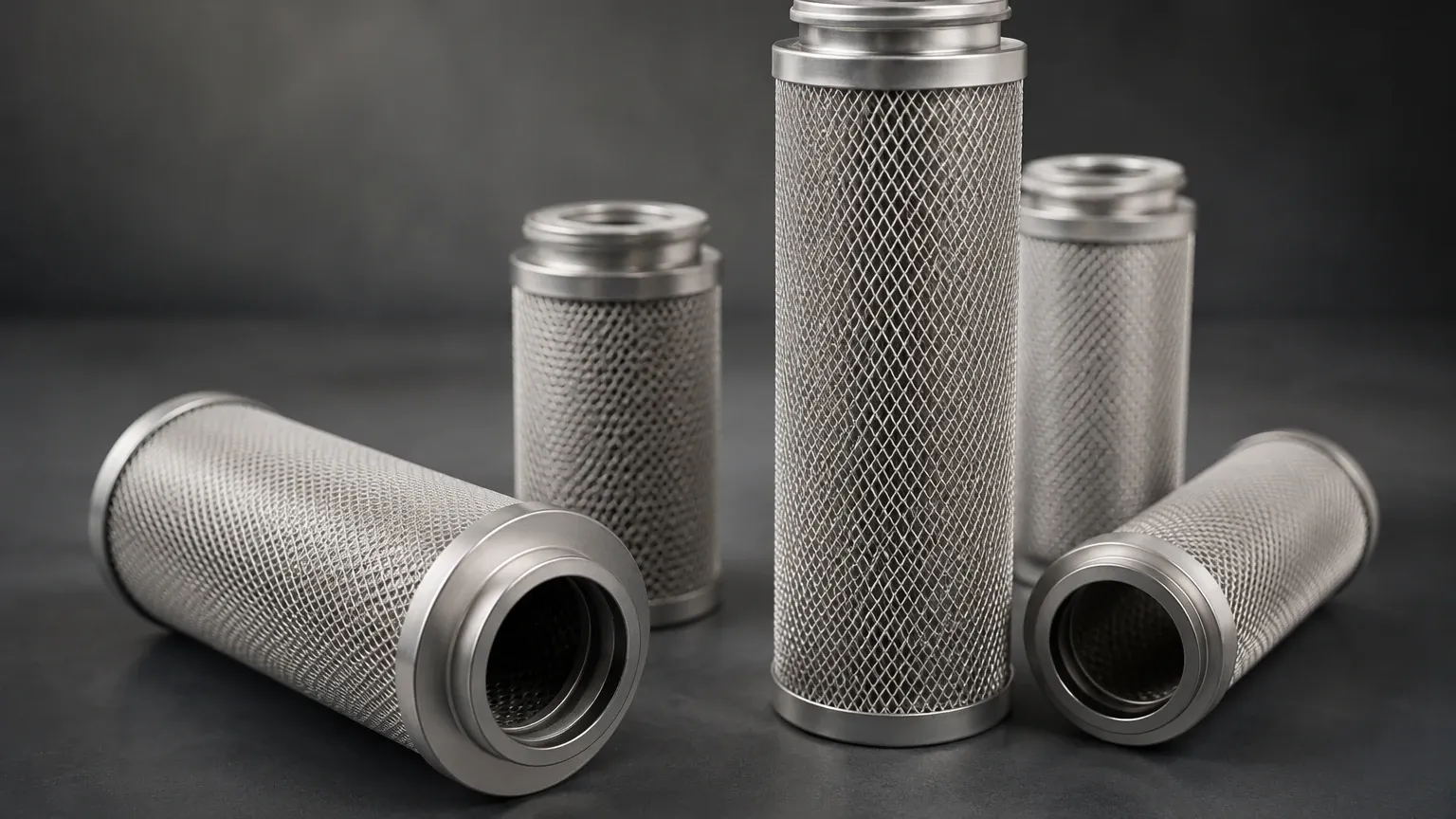
For high-temperature or high-pressure environments, stainless steel components are often integrated into the filtration assembly. Stainless steel (typically 304 or 316L) provides the structural integrity required to prevent cartridge collapse under high differential pressure. In systems where 6001-level organic vapor removal is required alongside particulate filtration, a multi-stage approach is often employed. This might include a stainless steel wire mesh pre-filter to protect the sensitive carbon media from clogging due to fine dust or aerosols.
Chemical Compatibility
Engineers must verify that all materials used in the cartridge construction are compatible with the process stream. For instance, in pharmaceutical or food-grade applications, the adhesives and gaskets used in the cartridge must be FDA-compliant and resistant to degradation. The 6001 series is specifically designed for organic vapors; however, if the process stream also contains acid gases or ammonia, a multi-gas cartridge or a specialized stainless steel housing with multi-stage filtration capabilities may be necessary.
Performance Metrics: Efficiency, Capacity, and Pressure Drop
When evaluating 6001 filter cartridges, three primary performance metrics guide the selection process: filtration efficiency, service life (capacity), and pressure drop.
1. Adsorption Efficiency: This refers to the percentage of organic vapors removed from the stream. High-performance industrial cartridges are designed to maintain high efficiency even as the media becomes partially saturated. This is achieved through optimized pleating or deep-bed carbon configurations that maximize contact time.
2. Service Life and Breakthrough: The "breakthrough point" is the moment when the concentration of the contaminant in the effluent exceeds the allowable limit. In industrial settings, this is influenced by the concentration of vapors in the inlet stream, the humidity of the air (as water vapor can compete for adsorption sites), and the flow velocity. Engineering teams often use breakthrough curves to predict replacement cycles.
3. Pressure Drop (Delta P): Every filter introduces resistance to the flow. A high initial pressure drop can strain blowers or pumps and increase energy costs. 6001 filter cartridges must be selected to balance high adsorption capacity with a manageable pressure drop to ensure the system operates within its designed mechanical limits.
Integration with Industrial Filtration Systems
In many B2B scenarios, 6001 filter cartridges are not used in isolation but are part of a comprehensive filtration train. For example, in a chemical exhaust system, the air might first pass through a coarse metal mesh filter to remove large debris, then through a high-efficiency particulate air (HEPA) filter, and finally through the 6001-rated organic vapor cartridges.
Custom Housing Considerations
Standard 6001 inserts often require specific adapters or housings. For custom industrial applications, manufacturers like Kaifil provide specialized stainless steel housings that can accommodate multiple cartridges. These housings are designed to ensure a hermetic seal, preventing "bypass"—a common failure where contaminated air flows around the filter media rather than through it. Precision-engineered gaskets and heavy-duty clamping mechanisms are essential features of these industrial-grade assemblies.
Flow Dynamics
Proper system design ensures that the flow is distributed evenly across all Filter Cartridges in a multi-cartridge housing. Uneven flow can lead to "channeling," where one cartridge becomes saturated prematurely, leading to early breakthrough even if other cartridges in the system still have remaining capacity. Engineers use computational fluid dynamics (CFD) or empirical testing to optimize the internal geometry of the filter vessel.
Selection Criteria for Engineering and Procurement Teams
Choosing the right 6001 filter cartridges involves more than just matching a part number. Procurement teams should work closely with engineers to confirm the following data points before finalizing a purchase:
* Contaminant Profile: Identify all chemicals present in the stream. While 6001 is excellent for organic vapors, it is not effective against all gases (e.g., carbon monoxide).
* Operating Temperature: Most carbon-based 6001 cartridges have an upper temperature limit. If the process gas is hot, cooling stages or specialized high-temperature media may be required.
* Humidity Levels: High relative humidity (typically above 65%) can significantly reduce the adsorption capacity of the carbon media. In such cases, pre-drying the air or over-specifying the carbon volume is necessary.
* Regulatory Compliance: Ensure the cartridges meet relevant regional and industry-specific standards (such as NIOSH in the US or EN standards in Europe) to maintain workplace safety compliance.
Maintenance and Operational Lifespan
A critical aspect of the total cost of ownership (TCO) for industrial filtration is the replacement cycle. Unlike particulate filters, which show a clear increase in pressure drop as they clog, gas-phase filters like 6001 cartridges may not show a significant change in pressure even when they are fully saturated.
Monitoring Breakthrough
To prevent exposure or environmental non-compliance, industrial systems often incorporate sensors to detect VOCs in the exhaust stream. Alternatively, a strict time-based replacement schedule is established based on the average contaminant load. In high-stakes environments, a "lead-lag" configuration is used, where two filter banks are placed in series. When the first bank (lead) reaches breakthrough, the second bank (lag) continues to provide protection while the first is serviced.
Storage and Handling
Because 6001 filter cartridges are active adsorbents, they begin working as soon as they are exposed to the atmosphere. Proper storage in vacuum-sealed or moisture-proof packaging is essential to ensure that the cartridges maintain their full capacity until they are installed in the system. Handling should be done with clean gloves to avoid contaminating the media with skin oils or other substances that could degrade performance.
Customization Options for Demanding Environments
For unique industrial challenges, off-the-shelf 6001 cartridges may not provide the optimal solution. Customization allows engineers to tailor the filtration performance to the specific needs of the facility.
* Hybrid Media: Combining 6001 organic vapor media with specialized layers for acid gas or formaldehyde removal within a single cartridge.
* Reinforced Structures: Utilizing stainless steel inner cores or outer cages to allow the cartridge to withstand higher pressure differentials during system surges.
* Custom Dimensions: Manufacturing cartridges in non-standard lengths or diameters to fit existing proprietary housings, thereby avoiding the need for expensive system-wide retrofits.
By collaborating with a manufacturer that understands both the chemical requirements of organic vapor removal and the mechanical requirements of industrial hardware, facilities can achieve a more robust and cost-effective filtration strategy. The integration of high-quality Filter Cartridges into well-designed stainless steel systems ensures that the 6001 standard is not just a specification on a datasheet, but a reliable component of industrial safety and process integrity.
Conclusion
6001 filter cartridges represent a vital technology for managing volatile organic compounds in industrial settings. From the selection of the adsorbent media to the engineering of the structural housing, every detail contributes to the overall effectiveness of the filtration system. By focusing on technical specifications—such as adsorption capacity, chemical compatibility, and mechanical durability—engineers can ensure that their filtration solutions provide long-term value and protection. Whether through standard configurations or custom-engineered stainless steel assemblies, the goal remains the same: achieving precise, reliable, and efficient removal of contaminants to support industrial excellence.
