


Brita Marella Xl Water Filter Cartridges
In the landscape of water purification, the Brita Marella XL system represents a widely recognized standard for point-of-use filtration. While primarily associated with residential and light commercial environments, the principles underlying brita marella xl water filter cartridges provide a foundational case study for understanding liquid filtration mechanics. For engineers and procurement professionals in industrial sectors, analyzing these systems offers a bridge to more complex, high-capacity Filter Cartridges used in chemical processing, pharmaceutical manufacturing, and food production.
The Marella XL, characterized by its 3.5-liter total capacity and 2.0-liter filtered water capacity, relies on the Maxtra+ (or the newer Maxtra Pro) cartridge technology. This technology utilizes a multi-stage approach to address common water quality issues such as chlorine, limescale, and heavy metal contamination. However, when scaling these requirements to industrial volumes, the material selection, structural integrity, and filtration precision must evolve to meet more rigorous operational demands.
Technical Architecture of Brita Marella XL Water Filter Cartridges
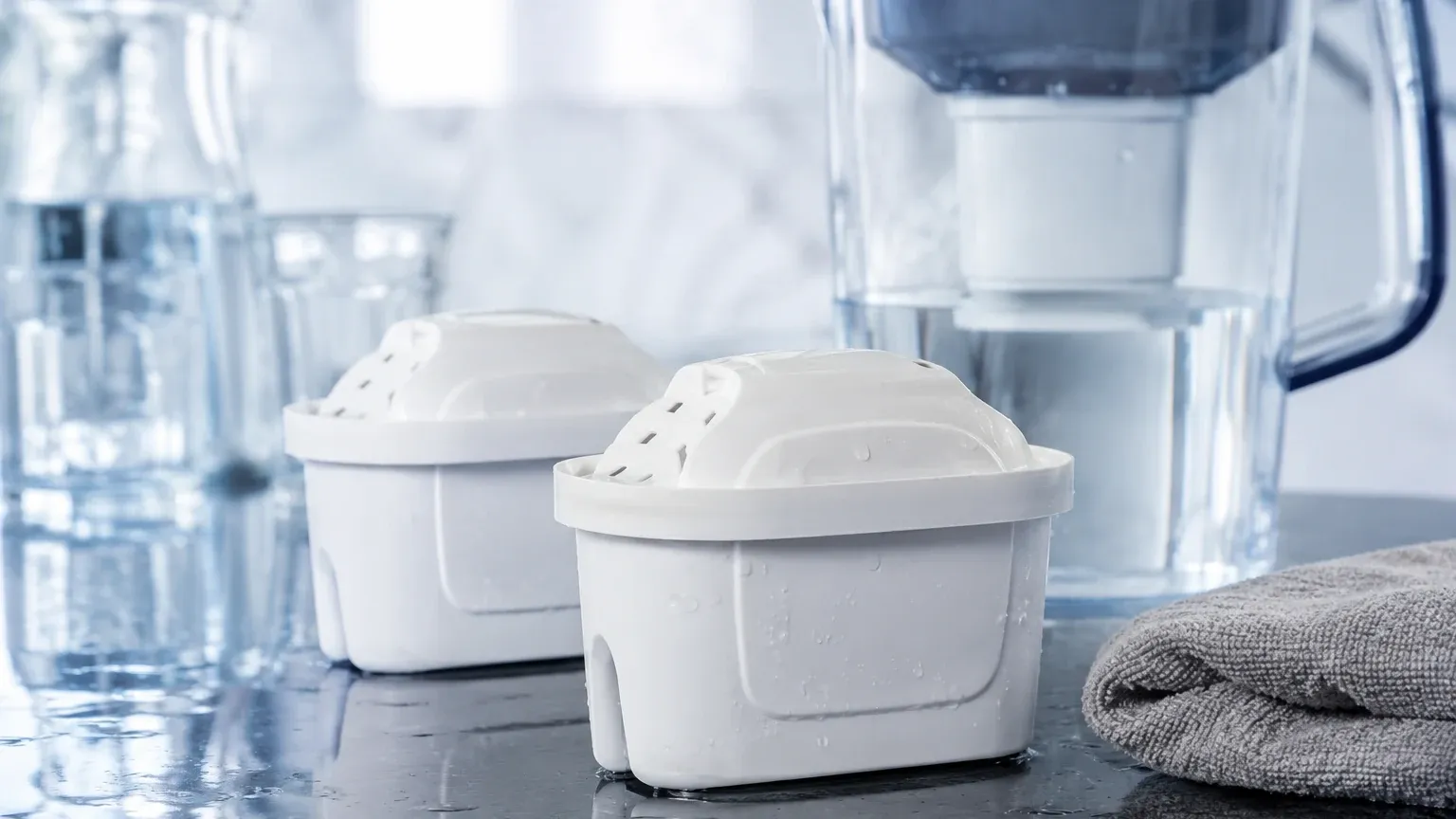
The internal architecture of brita marella xl water filter cartridges is engineered for gravity-fed filtration, which distinguishes it from the pressure-driven systems found in industrial plants. The process typically involves four distinct stages of filtration:
1. Super-Fine Mesh: The initial stage involves a fine mesh screen that captures large particles and sediment. In industrial equivalents, this is often replaced by durable stainless steel wire mesh that can withstand high differential pressures.
2. Ion Exchange Pearls: These resin beads are responsible for reducing carbonate hardness (limescale) and filtering out metals such as copper and lead. This process is critical in boiler feed water and cooling systems to prevent scale buildup on heat exchangers.
3. Activated Carbon from Coconut Shells: Micro-carbon pearls absorb chlorine and organic impurities that affect taste and odor. In the B2B sector, activated carbon is frequently used in large-scale canisters or as a secondary stage in multi-cartridge housings.
4. Final High-Performance Filter Mesh: A final trap ensures that any remaining fine particles are retained within the cartridge before the water enters the carafe.
For technical buyers, understanding this sequence is vital. While gravity-fed systems are efficient for low-volume throughput, industrial applications require these same stages to be integrated into robust, pressure-rated housings that can maintain flow rates exceeding hundreds of liters per minute.
Material Suitability: Consumer Polymers vs. Industrial Stainless Steel
A primary consideration for any filtration engineer is material compatibility. The brita marella xl water filter cartridges are constructed primarily from food-grade plastics (polypropylene) and contain carbon and resin media. While suitable for ambient temperature potable water, these materials have clear limitations in industrial settings.
Temperature and Pressure Limitations
Plastic housings and cartridges are susceptible to thermal expansion and structural failure when exposed to temperatures exceeding 40°C. In contrast, industrial environments often involve steam cleaning (SIP) or high-temperature processing. This necessitates the use of stainless steel (304 or 316L) filter components. Stainless steel provides the mechanical strength required to resist pressure surges and the chemical resistance needed for caustic cleaning agents.
Chemical Compatibility
Industrial filtration often involves fluids other than water, such as solvents, oils, or acids. While the media in brita marella xl water filter cartridges is optimized for municipal water, industrial Filter Cartridges must be selected based on the pH and chemical composition of the process fluid. For instance, whereas a consumer cartridge might degrade in the presence of certain hydrocarbons, a sintered metal or pleated stainless steel cartridge would remain inert and effective.
Filtration Efficiency and Micron Ratings in Process Engineering
One of the most frequent questions engineers ask is regarding the "micron rating" or filtration accuracy of a cartridge. Consumer-grade filters like those in the Marella XL are generally designed for "nominal" filtration, meaning they capture a high percentage of particles at a specific size but are not absolute barriers.
In industrial B2B applications, the distinction between nominal and absolute ratings is critical:
* Nominal Rating: An approximate value indicating the ability of the filter to remove a percentage of solids. Most carbon-based water pitcher filters operate on this principle to improve sensory qualities (taste/smell).
* Absolute Rating: A definitive value where 99.9% (Beta 1000) of particles of a specific size are retained. In pharmaceutical or microelectronics manufacturing, an absolute rating is mandatory to ensure product purity.
When evaluating brita marella xl water filter cartridges for light office or laboratory use, the nominal reduction of chlorine and minerals is usually sufficient. However, if the application involves protecting sensitive downstream equipment like Reverse Osmosis (RO) membranes or high-pressure nozzles, a shift to industrial-grade depth filters or pleated cartridges with certified absolute ratings is required.
Operational Lifespan and Replacement Cycles
The replacement cycle of brita marella xl water filter cartridges is typically determined by volume (approx. 100–150 liters) or time (4 weeks), tracked by an electronic indicator on the pitcher lid. This preventive maintenance approach is mirrored in industrial settings through the use of differential pressure (ΔP) monitoring.
In a professional filtration system, sensors measure the pressure before and after the filter housing. As the Filter Cartridges become loaded with contaminants, the ΔP increases. Once a predetermined threshold is reached, the cartridges are replaced or cleaned.
Key factors influencing the lifespan of any cartridge include:
* Turbidity of Source Water: High sediment levels will blind the surface of a cartridge prematurely.
* Flow Velocity: Higher velocities can force contaminants through the media (channeling) or cause structural deformation.
* Media Capacity: The total surface area available for adsorption (in the case of carbon) or mechanical trapping.
For industrial users, the "total cost of ownership" (TCO) is often lower with cleanable stainless steel filters. While the initial investment is higher than a disposable plastic cartridge, the ability to backwash or ultrasonically clean the metal mesh provides years of service, reducing the waste and recurring costs associated with disposable units.
Scaling Up: Transitioning to Industrial-Scale Filter Cartridges
When a facility outgrows the capacity of standard consumer solutions like the Brita Marella XL, the transition to an industrial filtration system involves several engineering steps. The goal is to maintain the water quality standards while significantly increasing the throughput and system reliability.
Housing Design
Industrial systems utilize multi-round housings that can hold anywhere from 3 to over 100 cartridges simultaneously. These housings are typically made of electropolished stainless steel to prevent bacterial growth and are designed to meet ASME or PED pressure vessel standards.
Cartridge Configuration
Unlike the proprietary shape of brita marella xl water filter cartridges, industrial cartridges follow standardized formats such as Code 7 (226 O-rings with bayonet lock) or DOE (Double Open End). These standards allow for flexibility in sourcing and ensure a leak-proof seal under high-pressure conditions.
Customization Options
OEM manufacturers like Kaifil provide the ability to customize Filter Cartridges based on specific needs. This includes:
* Custom Lengths: Ranging from 5 inches to 40 inches.
* End Cap Styles: Tailored to fit existing housing manifolds.
* Media Selection: Combining layers of different mesh sizes to create a graduated density filter that extends service life.
Engineering Considerations for Custom Filtration Solutions
Before purchasing or specifying a filtration system, technical teams should confirm several parameters to ensure the chosen solution is fit for purpose. This is especially true when moving away from "off-the-shelf" consumer products toward specialized industrial components.
1. Flow Rate Requirements: Calculate the maximum and average flow rates (GPM or m³/h). This determines the size of the housing and the number of cartridges required to keep the flux rate within acceptable limits.
2. Effluent Quality Goals: Define exactly what needs to be removed. Is it particulate matter, dissolved chemicals, or biological contaminants? This dictates the choice between mechanical mesh, ion exchange resin, or membrane filtration.
3. Environmental Conditions: Consider the ambient environment. In coastal or chemical plants, even the exterior of the filter housing must be resistant to atmospheric corrosion.
4. Regulatory Compliance: Ensure the materials used are FDA-compliant for food and beverage applications or meet specific industry standards like 3-A Sanitary Standards.
Conclusion
While brita marella xl water filter cartridges are an excellent solution for improving the quality of drinking water at a small scale, they represent only the entry point into the broader world of filtration technology. For industrial applications, the principles of adsorption and mechanical separation remain the same, but the execution requires a significant upgrade in material science and structural engineering.
By understanding the limitations of consumer-grade systems and the advantages of industrial Filter Cartridges, engineers can design systems that are not only effective in purifying water but also durable enough to withstand the rigors of a professional manufacturing environment. Whether you are managing a laboratory, a food processing line, or a chemical plant, selecting the right filtration partner and component specifications is the most critical step in ensuring operational continuity and product excellence.
