


Cartridge Filter 60923
In the landscape of industrial filtration and personnel protection, specific designations like the cartridge filter 60923 represent a critical standard for high-efficiency performance. Whether used in specialized respiratory systems or adapted for precision industrial gas processing, these components are designed to address some of the most challenging filtration requirements. For engineers and procurement professionals, understanding the technical nuances of these Filter Cartridges is essential for maintaining system integrity, ensuring safety compliance, and optimizing operational costs.
Industrial filtration is rarely a one-size-fits-all solution. The selection of a cartridge filter 60923 or its industrial equivalents involves a deep dive into particulate efficiency, chemical compatibility, and structural durability. This article explores the technical specifications, engineering considerations, and selection criteria that define high-performance filtration in modern industrial environments.
Technical Specifications and Performance Standards
The designation of a cartridge filter 60923 typically refers to a multi-purpose filtration component designed to handle both organic vapors and acid gases, often coupled with a high-efficiency particulate (P100) filter layer. In an industrial context, this level of protection requires a sophisticated media structure capable of simultaneous adsorption and mechanical filtration.
Particulate Filtration Efficiency
When a cartridge is rated at a P100 level, it must demonstrate at least 99.97% efficiency against oil-based and non-oil-based aerosol particles. For industrial engineers, this translates to a micron rating that effectively captures sub-micron contaminants. In liquid or high-pressure gas applications, similar efficiency levels are sought to protect sensitive downstream equipment, such as precision nozzles or high-speed turbines.
Gas and Vapor Adsorption
The "60923" specification is unique because it combines particulate capture with chemical adsorption. This is achieved through the use of specially treated activated carbon or synthetic adsorbents. The media must be engineered to provide maximum surface area, allowing for the effective neutralization of organic vapors, chlorine, hydrogen chloride, sulfur dioxide, and hydrogen sulfide. Understanding the breakthrough time—the duration before the adsorbent becomes saturated—is a critical metric for maintenance scheduling.
Engineering Considerations for Industrial Filter Cartridges
While the cartridge filter 60923 is often associated with personal protective equipment (PPE), the engineering principles behind it are foundational to broader industrial Filter Cartridges design. When transitioning these requirements to large-scale industrial processes, several engineering factors must be evaluated.
Structural Integrity and Pressure Differential
In industrial systems, filters are subjected to significant pressure differentials (ΔP). A cartridge must maintain its shape and filtration efficiency even as it becomes loaded with contaminants. For high-demand applications, stainless steel support cores or reinforced outer cages are often utilized to prevent media collapse. Engineers must calculate the initial pressure drop to ensure the system’s pumps or blowers are adequately sized to maintain flow rates as the filter reaches its terminal pressure drop.
Flow Rate and Residence Time
For chemical adsorption to be effective, the fluid (gas or liquid) must have sufficient contact time with the adsorbent media. This is known as residence time. If the flow rate is too high, the cartridge filter 60923 may not effectively neutralize chemical vapors. System designers must balance the need for high throughput with the physical limitations of the filtration media to ensure consistent output quality.
Material Selection for Demanding Environments
Material compatibility is perhaps the most critical factor in filter selection. The housing, seals, and media of a cartridge filter 60923 must be resistant to the specific chemicals being filtered. In many industrial settings, standard polymer-based filters may fail due to temperature extremes or corrosive environments.
Stainless Steel and Advanced Alloys
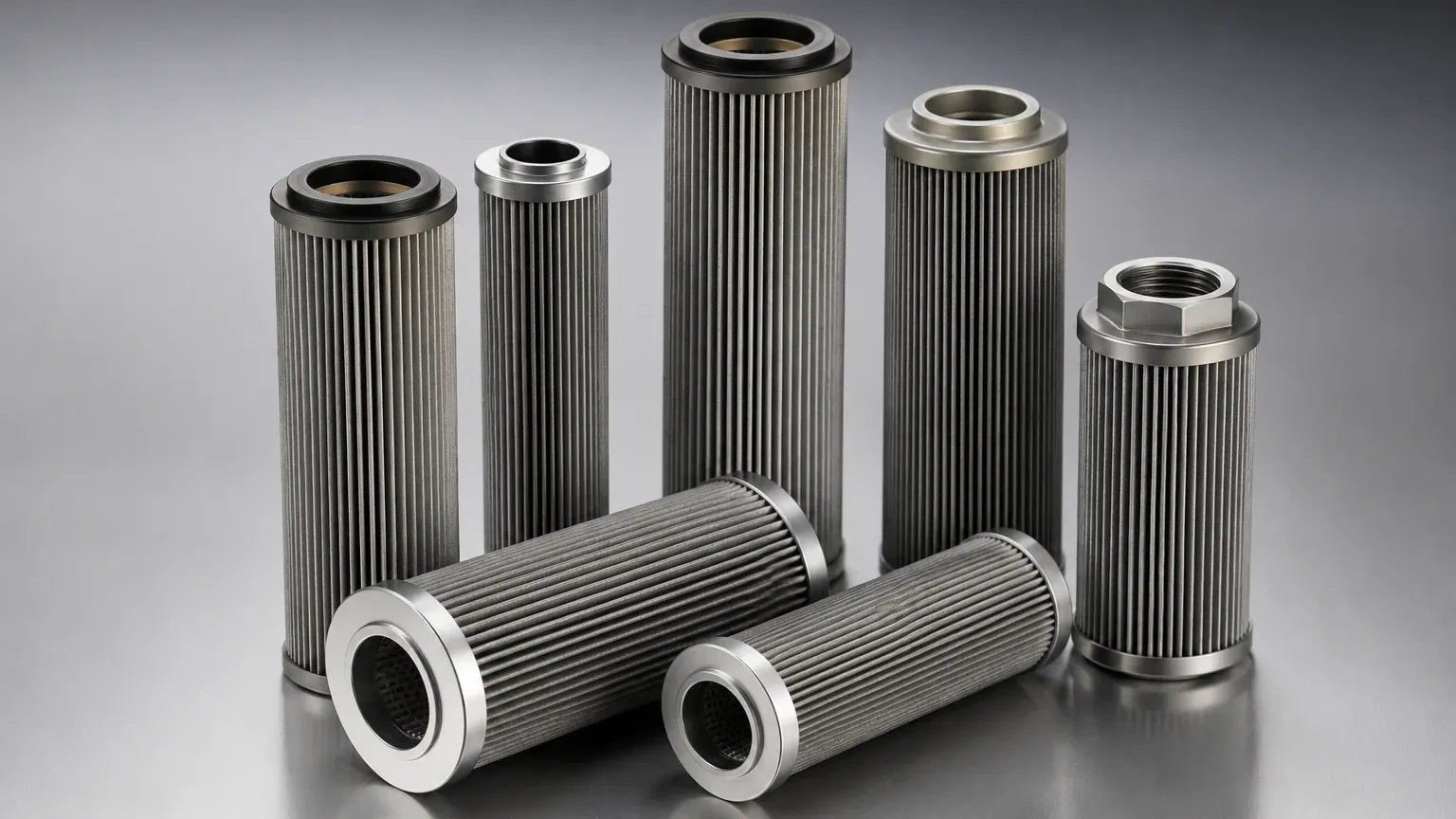
For applications involving high temperatures or aggressive solvents, stainless steel Filter Cartridges offer a robust alternative. Stainless steel 304 and 316L provide excellent corrosion resistance and can be manufactured with precision-woven wire mesh or sintered metal fibers. These materials allow for a level of durability that disposable polymer cartridges cannot match, particularly in the chemical processing and pharmaceutical industries.
Gasket and Seal Compatibility
A filter is only as effective as its seal. If the bypass occurs at the connection point, the efficiency of the media is irrelevant. Engineers must specify seal materials—such as EPDM, Viton, or PTFE—based on the chemical profile of the process fluid. For the cartridge filter 60923, ensuring a leak-proof fit within the housing is paramount to preventing exposure to hazardous vapors.
Optimizing Performance: Pressure Drop and Efficiency
One of the primary challenges in filtration engineering is the inverse relationship between filtration fineness and pressure drop. A cartridge filter 60923 provides exceptionally fine filtration, which naturally results in a higher resistance to flow. To optimize performance, engineers look at several design strategies.
Pleated Media Designs
By pleating the filtration media, manufacturers can significantly increase the effective surface area within the same physical footprint. This increased area reduces the face velocity of the fluid passing through the media, which lowers the initial pressure drop and extends the service life of the cartridge. For industrial Filter Cartridges, maximizing surface area is the most effective way to improve the dirt-holding capacity (DHC).
Depth vs. Surface Filtration
While the cartridge filter 60923 often relies on surface-active adsorbents and high-efficiency membranes, many industrial processes benefit from depth filtration. Depth filters capture particles throughout the thickness of the media, rather than just on the surface. Understanding whether a process requires the absolute precision of a surface membrane or the high capacity of a depth filter is key to selecting the right component.
The Role of Customization in Industrial Filtration
Standard off-the-shelf components like the cartridge filter 60923 are designed for broad application, but many industrial processes require customized solutions. Customization allows engineers to tailor the filtration performance to specific process variables, such as unusual flow rates, unique chemical mixtures, or non-standard housing dimensions.
Custom Micron Ratings and Media Blends
Manufacturers like Kaifil specialize in developing Filter Cartridges that meet exact micron requirements. By adjusting the density of a sintered metal filter or the weave pattern of a stainless steel mesh, it is possible to achieve the precise balance of flow and retention needed for a specific application. This is particularly important in the food and beverage industry, where filtration must be both precise and compliant with sanitary standards.
OEM and Retrofit Solutions
In many cases, industrial facilities operate with legacy equipment that requires specific filter geometries. Custom OEM manufacturing ensures that high-performance filtration can be integrated into existing systems without the need for costly infrastructure overhauls. This includes designing custom end-caps, specialized lengths, and reinforced structures for high-vibration environments.
Total Cost of Ownership and Maintenance
When evaluating a cartridge filter 60923, the purchase price is only one component of the total cost of ownership (TCO). Engineers must also consider the frequency of replacement, the cost of system downtime, and the labor required for maintenance.
Replacement Cycles and Monitoring
In gas and vapor applications, the life of a cartridge is determined by its adsorption capacity. In particulate applications, it is determined by the terminal pressure drop. Implementing differential pressure gauges and automated monitoring systems allows for "just-in-time" replacement, preventing both premature disposal and system failure.
Cleanable vs. Disposable Options
A major consideration in TCO is whether to use disposable cartridges or cleanable stainless steel Filter Cartridges. While disposable filters have a lower upfront cost, cleanable metal filters can be processed through ultrasonic cleaning or backwashing, allowing them to be reused multiple times. This not only reduces the long-term cost but also minimizes the environmental impact of waste disposal.
Selection Criteria for Engineers
To ensure the correct selection of a cartridge filter 60923 or a similar industrial component, engineers should confirm the following data points before procurement:
1. Fluid Characteristics: Temperature, viscosity, and chemical composition.
2. Contaminant Profile: Particle size distribution, concentration, and the nature of the gases/vapors to be removed.
3. Operating Parameters: Maximum flow rate, operating pressure, and allowable pressure drop.
4. Compliance Requirements: Industry-specific standards such as FDA, 3-A, or local environmental regulations.
5. Housing Compatibility: Connection type (e.g., 222, 226, or DOE) and seal material.
By systematically addressing these factors, technical professionals can select Filter Cartridges that provide reliable, long-term performance in even the most demanding industrial environments. Whether the goal is protecting personnel with a cartridge filter 60923 or protecting high-value industrial assets, the principles of precision engineering and material science remain the foundation of successful filtration.
