


Cartridge Filter in Pool
In the management of commercial, industrial, and high-capacity aquatic environments, the cartridge filter in pool systems serves as a critical component for maintaining water clarity and hygiene. Unlike residential applications, industrial-scale pool filtration requires a rigorous understanding of fluid dynamics, material compatibility, and mechanical durability. Selecting the appropriate filtration media and housing structure is not merely a matter of maintenance but an engineering decision that impacts the total cost of ownership and operational uptime.
Industrial filtration experts, such as those at Kaifil, emphasize that while the basic principles of a cartridge filter in pool applications remain consistent, the technical specifications—such as micron ratings, flow rates, and structural integrity—must be precisely aligned with the specific demands of the facility. This guide explores the technical nuances of cartridge filtration, providing engineers and facility managers with the data needed to optimize their filtration systems.
Fundamentals of Pool Cartridge Filtration
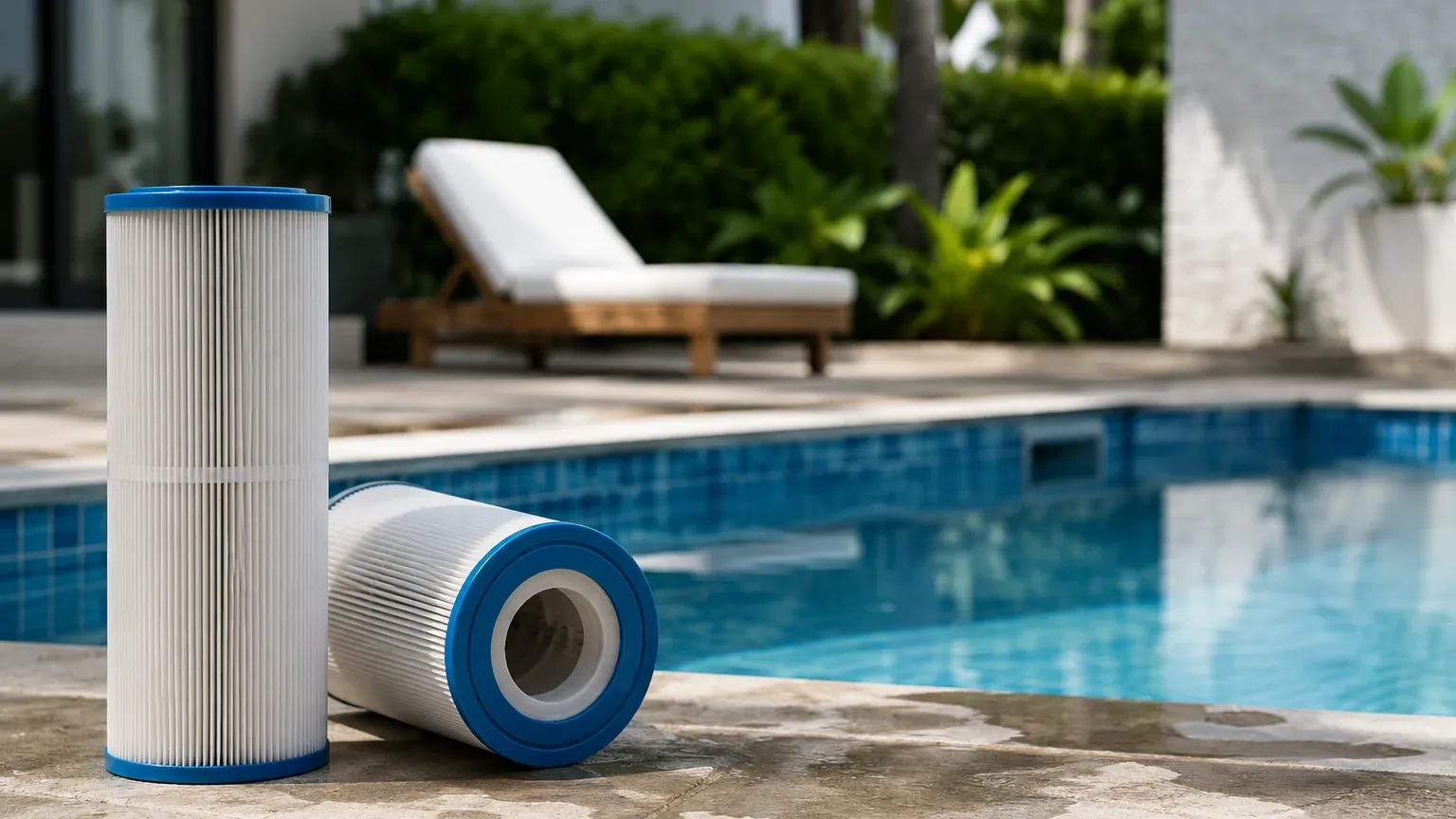
A cartridge filter in pool systems operates on the principle of surface filtration. As water is pumped through the filter housing, it is forced through a pleated filtration medium. This medium traps suspended solids, organic debris, and microscopic particles on its surface, allowing clarified water to return to the pool.
The effectiveness of this process is largely determined by the surface area of the filter. In professional settings, pleated Filter Cartridges are preferred because the pleating significantly increases the available filtration area within a compact footprint. This design allows for lower flux rates (flow per unit area), which enhances the capture efficiency of smaller particles and reduces the frequency of cleaning cycles.
For industrial applications, the choice of a cartridge filter in pool environments often replaces sand or DE (diatomaceous earth) filters due to their ability to capture smaller particles—often down to 10 to 15 microns—without the need for backwashing. This results in significant water savings, a critical factor in large-scale commercial operations.
Engineering Considerations: Micron Rating and Flow Dynamics
When evaluating a cartridge filter in pool configurations, engineers must prioritize two primary metrics: the micron rating and the design flow rate.
Micron Rating and Efficiency
The micron rating defines the size of particles the filter is capable of removing. Most standard pool cartridges are rated for 10 to 20 microns. However, in specialized industrial water features or high-load public pools, a finer degree of filtration may be required. It is important to distinguish between "nominal" and "absolute" micron ratings. A nominal rating indicates the filter can trap a large percentage of particles of a certain size, while an absolute rating—more common in precision stainless steel filters—guarantees the capture of all particles above that size.
Flow Rate and Pressure Drop
Every cartridge filter in pool systems has a maximum flow rate, typically measured in gallons per minute (GPM). Exceeding this rate can lead to "channeling," where high pressure forces debris through the media, or structural failure of the cartridge core.
Furthermore, the "clean pressure drop" (the initial resistance to flow) must be accounted for in pump sizing. As the filter accumulates debris, the pressure drop increases. In a B2B context, monitoring this differential pressure is the most reliable method for determining maintenance intervals. An increase of 8 to 10 PSI over the starting pressure generally indicates that the cartridge requires cleaning or replacement.
Material Selection: From Synthetic Fabrics to Stainless Steel
The environment of a cartridge filter in pool systems is chemically aggressive. Constant exposure to chlorine, bromine, ozone, and varying pH levels can degrade lower-quality materials.
Synthetic Media
Most commercial pool cartridges utilize spun-bond polyester. While cost-effective and efficient for standard debris, polyester has limitations in high-temperature or highly corrosive environments. Over time, the fibers can weaken, leading to reduced filtration accuracy and eventual tearing.
Stainless Steel and Custom Alloys
In demanding industrial water treatment and high-end commercial pool systems, stainless steel Filter Cartridges offer a superior alternative. Manufactured from 304 or 316L stainless steel wire mesh, these components provide:
* Chemical Resistance: Immune to the degradative effects of high-concentration sanitizers and acid washes.
* Thermal Stability: Capable of handling high-temperature water in hydrotherapy or industrial cooling applications without warping.
* Durability: Unlike synthetic media, stainless steel cartridges can be cleaned and reused for years, significantly reducing the long-term waste and replacement costs.
* Structural Integrity: Stainless steel cores prevent the "collapsing" often seen in plastic-core cartridges under high-pressure conditions.
For engineers designing systems for public water parks or chemical processing pools, the transition to metal filtration components often represents a strategic shift toward reliability and sustainability.
Monitoring Performance and Pressure Differentials
To maintain the efficiency of a cartridge filter in pool operations, technical teams must implement a robust monitoring protocol. The primary indicator of filter health is the differential pressure (ΔP).
In an optimized system, a pressure gauge is installed on both the influent and effluent sides of the filter housing. A rising ΔP suggests that the surface of the filter is becoming blinded by particulates. If the pressure is allowed to rise too high, several risks emerge:
1. Reduced Turnover Rate: As resistance increases, the pump's flow rate decreases, leading to inadequate water circulation and potential sanitation failures.
2. Pump Strain: The motor must work harder to overcome the resistance, leading to increased energy consumption and shortened equipment life.
3. Media Breach: In extreme cases, high pressure can cause the pleats to compress or the media to rupture, bypassing the filtration process entirely.
Industrial-grade systems often incorporate automated sensors that trigger an alert or a bypass valve when the ΔP reaches a predetermined threshold, ensuring the cartridge filter in pool systems operates within safe engineering limits.
Maintenance Protocols for Commercial Pool Systems
Proper maintenance of a cartridge filter in pool applications is essential for extending the life of the media and ensuring water quality. For synthetic cartridges, this involves a multi-step cleaning process:
* Rinsing: Using a specialized nozzle to remove loose debris from between the pleats.
* Degreasing: Soaking the cartridge in a surfactant solution to remove body oils, lotions, and organic films that can clog the pores of the media.
* Acid Bath: If calcium scaling is present, a mild acid wash may be necessary, though this must be done carefully to avoid damaging the fibers.
For stainless steel Filter Cartridges, maintenance is often more straightforward. Because the metal mesh is physically robust, it can withstand higher-pressure cleaning methods and more aggressive chemical cleaning agents without the risk of fiber shedding or structural degradation. This makes them ideal for facilities where rapid turnaround and high hygiene standards are mandatory.
Custom Filtration Solutions for Specialized Water Features
Not every pool follows a standard design. Large-scale fountains, zoo exhibits, and industrial test tanks often require custom-engineered filtration solutions. When a standard off-the-shelf cartridge filter in pool applications fails to meet the specific micron requirements or flow demands, custom manufacturing becomes necessary.
Customization options include:
* Variable Micron Ratings: Tailoring the mesh size to capture specific contaminants found in unique environments.
* Reinforced Cores: Designing internal supports for systems that experience frequent pressure surges.
* Alternative End Cap Designs: Ensuring compatibility with proprietary or legacy filter housings.
* High-Surface Area Configurations: Adjusting the pleat count and depth to maximize the interval between cleanings.
By working with a specialized manufacturer like Kaifil, engineers can develop filtration components that are purpose-built for their specific hydraulic conditions, rather than forcing a standard product into a non-standard application.
Total Cost of Ownership and Sustainability
When selecting a cartridge filter in pool systems for a B2B or industrial project, the initial purchase price is only one factor. A comprehensive analysis must include:
* Replacement Frequency: How often must the cartridge be discarded? Synthetic filters may need replacement every 1-2 years, whereas stainless steel options can last a decade or more.
* Water Consumption: Cartridge filters eliminate the need for backwashing, which can save thousands of gallons of treated water annually compared to sand filters.
* Energy Efficiency: Maintaining a low pressure drop through regular cleaning and proper sizing reduces the electrical load on circulation pumps.
* Chemical Usage: Efficient filtration reduces the demand on chemical sanitizers by removing the organic load more effectively.
From a sustainability perspective, the longevity of metal filtration components reduces the volume of plastic and synthetic waste sent to landfills, aligning with modern corporate environmental goals.
Optimizing Pool Filtration Efficiency
The role of the cartridge filter in pool management is central to both the aesthetic and safety of the water. For the professional buyer, understanding the technical boundaries of filtration media—from the micron rating to the material's chemical resistance—is vital for making an informed decision.
Whether utilizing standard synthetic media for a commercial swimming pool or investing in precision-engineered stainless steel Filter Cartridges for an industrial application, the focus should always remain on the balance between filtration accuracy and operational efficiency. By prioritizing high-quality components and adhering to rigorous maintenance schedules, facility managers can ensure their aquatic systems remain clear, safe, and cost-effective for years to come.
