


Filter Cartridge Engine Oil
In the realm of industrial engine maintenance and heavy-duty machinery operation, the transition from traditional spin-on filters to cartridge-style filtration systems has become a standard for many high-performance applications. Selecting the correct filter cartridge engine oil solution is not merely a matter of routine maintenance; it is a critical engineering decision that affects the longevity, efficiency, and total cost of ownership (TCO) of expensive power units. For engineers and procurement professionals, understanding the technical nuances of Filter Cartridges is essential to ensuring that engine oil remains free from the microscopic contaminants that cause premature wear and catastrophic failure.
Understanding the Role of Filter Cartridges in Engine Oil Systems
The primary function of a filter cartridge within an engine oil system is to remove solid contaminants that are generated during the combustion process or through mechanical wear. These contaminants include soot, carbon deposits, metallic shavings from bearings and cylinder walls, and external dust that may have bypassed the air intake system.
Unlike spin-on filters, where the entire metal canister is discarded, a cartridge filter consists of a replaceable element housed within a permanent, reusable chamber. This design offers several technical advantages. It allows for a more thorough inspection of the used media, which can provide early warning signs of engine wear (such as excessive metallic particles). From a mechanical perspective, the cartridge system often allows for larger filtration surface areas within a given footprint, improving the dirt-holding capacity without significantly increasing the pressure drop across the system.
In heavy-duty industrial engines, oil filtration typically follows two paths: full-flow and bypass filtration. Full-flow cartridges process all the oil heading to the engine's moving parts, requiring a high flow rate and low resistance. Bypass filters, conversely, divert a small percentage of the oil through a much finer media to remove sub-micron particles that full-flow filters might miss. A well-engineered filter cartridge engine oil strategy often employs a combination of both to balance flow requirements with extreme cleanliness.
Engineering Considerations for Media Selection
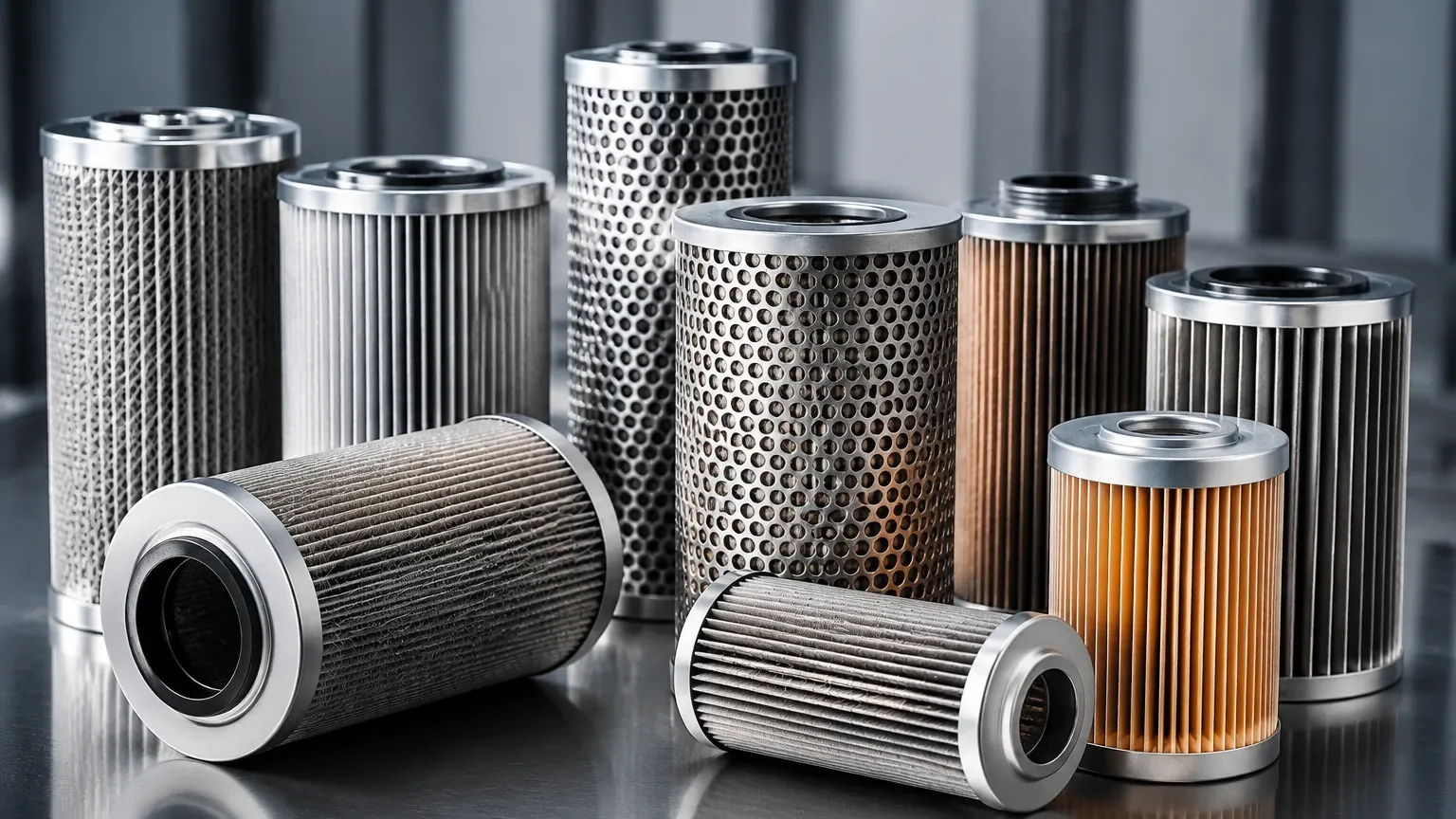
The performance of a filter cartridge is largely defined by its media. In the context of industrial engine oil, engineers must choose between cellulose, synthetic fibers, and stainless steel wire mesh. Each material offers distinct advantages based on the operating environment.
Cellulose and Synthetic Media
Cellulose is a traditional choice, but it is prone to degradation when exposed to high temperatures and acidic combustion byproducts over long intervals. Synthetic glass fibers offer superior pore structure consistency and a higher beta ratio (filtration efficiency), making them ideal for modern engines with tight tolerances. However, both are disposable and contribute to the waste stream.
Stainless Steel Wire Mesh
For specialized industrial applications where engines operate under extreme thermal stress or where chemical compatibility is a concern, stainless steel wire mesh filter cartridges are increasingly preferred. These components offer exceptional structural integrity and are resistant to the high-pressure surges common during cold starts when oil viscosity is high. Furthermore, stainless steel elements are often cleanable and reusable, aligning with sustainability goals and reducing long-term consumable costs.
Thermal and Chemical Stability
Engine oil operates at temperatures ranging from 80°C to over 120°C in high-load scenarios. The filter cartridge must maintain its pore geometry and structural seal under these conditions. If the media or the adhesives used in the cartridge construction soften or become brittle, media migration can occur, where filter fibers actually enter the oil stream and cause damage to precision components like turbocharger bearings.
Evaluating Performance Criteria: Micron Ratings and Beta Ratios
When specifying a filter cartridge engine oil element, the "micron rating" is often the first metric discussed, but it is frequently misunderstood. A "nominal" 10-micron filter may only capture 50% of particles at that size. For industrial reliability, engineers look for the "absolute" rating, typically expressed through the Beta Ratio (β).
According to ISO 16889 standards, the Beta Ratio is the ratio of particles of a given size in the upstream fluid to the number of particles of the same size in the downstream fluid. For example, a filter with β10 = 200 means that for every 200 particles of 10-microns entering the filter, only one passes through. This represents 99.5% efficiency. When selecting Filter Cartridges, it is vital to confirm that the efficiency rating matches the sensitivity of the engine’s most critical components, such as high-pressure fuel injectors or hydraulic lifters.
Another key metric is the Dirt-Holding Capacity (DHC). This determines how much contaminant the cartridge can trap before the pressure differential (Delta P) reaches the bypass valve setting. A higher DHC extends the service interval, reducing labor costs and downtime.
Structural Integrity and Pressure Drop
A common failure point in engine oil filtration is the collapse of the filter element due to high differential pressure. This can happen if the oil is too viscous (cold start) or if the filter is heavily loaded with contaminants. Industrial-grade cartridges utilize a center core—often made of perforated stainless steel or heavy-duty polymers—to provide the necessary collapse strength.
Pressure drop is the loss of fluid pressure as it passes through the filter media. An ideal filter cartridge engine oil solution minimizes this drop to ensure that the engine receives adequate lubrication immediately upon startup. Engineers must balance the desire for finer filtration (which usually increases pressure drop) with the flow requirements of the oil pump. This is where advanced pleating techniques and wire mesh configurations become essential, as they maximize the surface area to allow high flow rates even with fine filtration levels.
Maintenance, Inspection, and Replacement Cycles
The shift to cartridge filters has changed the maintenance workflow. Unlike spin-on filters that are simply unscrewed and tossed, cartridge filters require the opening of a housing, which provides a unique opportunity for diagnostic analysis.
Visual Analysis
During a filter change, the pleats of the cartridge should be inspected for "glittering" (metal flakes), which indicates bearing or gear wear. The presence of sludge may suggest that the oil has oxidized or that the engine is running too cold, while a wavy or distorted pleat structure could indicate water contamination or excessive pressure spikes.
Seal Integrity
The seals (O-rings or gaskets) on a filter cartridge are just as important as the media itself. A failure in the seal allows unfiltered oil to bypass the media entirely, rendering the filter useless. In industrial settings, it is standard practice to replace all seals with every cartridge change, ensuring they are compatible with the specific chemistry of the engine oil being used.
Customization and OEM Requirements
Many industrial engines used in power generation, marine propulsion, or heavy mining equipment require customized filtration solutions. Standard off-the-shelf cartridges may not meet the specific vibration resistance or flow characteristics required by specialized OEMs.
Customization options for Filter Cartridges include:
- Variable Pleat Density: Optimizing the space between pleats to prevent "pleat bunching" under high flow.
- Reinforced End Caps: Using machined metal end caps instead of stamped or molded versions for higher durability.
- Bypass Valves: Integrating the bypass valve directly into the cartridge to ensure a fresh, calibrated valve with every service.
- Specific Media Blends: Utilizing multi-layered media to achieve both high efficiency and high dirt-holding capacity simultaneously.
Total Cost of Ownership (TCO) Considerations
While the initial cost of a high-quality filter cartridge engine oil element may be higher than a generic alternative, the TCO tells a different story. A superior filter reduces the concentration of wear-causing particles in the oil, which directly extends the life of the engine. Furthermore, by choosing cartridges with higher dirt-holding capacities, operators can safely extend oil drain intervals (supported by oil analysis), reducing both the volume of waste oil and the cost of replacement filters.
In applications where stainless steel reusable cartridges are used, the TCO is further optimized by eliminating the recurring cost of disposable elements. Although these require a cleaning infrastructure, the reduction in environmental impact and the elimination of filter disposal fees often result in a significant return on investment over the life of the machinery.
Conclusion: Making Informed Purchasing Decisions
Selecting the right filter cartridge engine oil component requires a deep understanding of the engine's operating parameters, the environmental conditions, and the specific cleanliness targets required for the application. Engineers should prioritize suppliers who can provide detailed technical data, including beta ratios, collapse pressure ratings, and material compatibility certifications.
By focusing on high-performance Filter Cartridges, industrial operators can ensure their engines are protected against the invisible threats of contamination, leading to more reliable operations and fewer unplanned outages. Whether the goal is to improve filtration efficiency, extend service intervals, or transition to more sustainable reusable solutions, the engineering of the filter cartridge remains a cornerstone of modern industrial engine maintenance.
