


Filter Cartridges for Pool
In commercial and industrial water management, the efficiency of a filtration system is fundamentally dependent on the quality and specifications of the filtration media used. For large-scale aquatic facilities, water parks, and industrial water reuse systems, selecting the appropriate filter cartridges for pool applications involves more than simply matching a part number. It requires a deep understanding of hydraulic dynamics, particle loading, and material compatibility to ensure long-term operational efficiency and water safety.
Industrial-grade filtration solutions must withstand rigorous flow rates and chemical exposure while maintaining precise micron ratings. As a specialized manufacturer, Kaifil provides engineering-led Filter Cartridges designed to meet these demanding requirements, focusing on durability and high-performance filtration in complex environments.
Understanding the Role of High-Performance Filter Cartridges in Pool Water Treatment
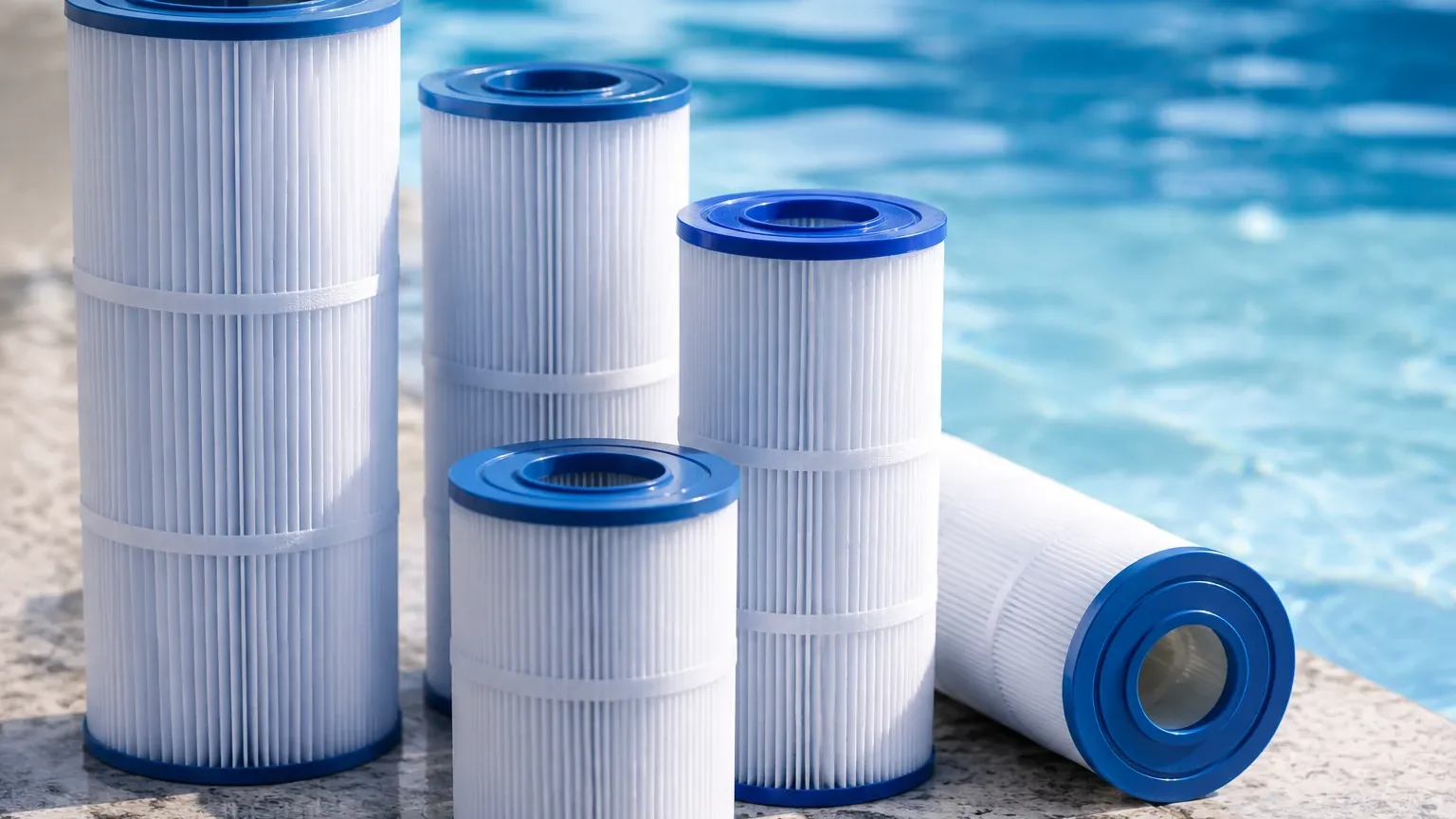
Pool filtration is a continuous process designed to remove suspended solids, organic debris, and microbiological contaminants. Unlike residential systems, commercial pool filtration must handle significantly higher bather loads and continuous circulation. The filter cartridge acts as the primary mechanical barrier, capturing particles as water is forced through the media.
In these systems, the effectiveness of the cartridge is measured by its ability to maintain high clarity without causing excessive backpressure on the pump. High-performance cartridges utilize pleated designs to maximize the available surface area within a compact footprint. This increased surface area reduces the face velocity of the water passing through the media, which enhances particle retention and extends the time between cleaning cycles.
For engineers and facility managers, the choice of filter cartridges for pool systems impacts not only water quality but also energy consumption. A cartridge that clogs too quickly or offers high initial resistance increases the total dynamic head (TDH) of the system, forcing pumps to work harder and increasing electrical costs.
Technical Specifications: Micron Ratings and Flow Rate Optimization
When evaluating filter cartridges for pool applications, technical specifications such as micron rating and flow rate are the primary benchmarks for performance.
Micron Ratings and Particle Retention
Micron ratings define the size of particles the cartridge is capable of capturing. In pool environments, cartridges typically range from 5 to 20 microns. A lower micron rating provides superior water clarity but may require more frequent maintenance if the water has a high organic load. Conversely, a higher micron rating allows for longer run times but may let smaller particles pass through, leading to turbidity issues. Engineers must balance these factors based on the specific turnover requirements of the facility.
Flow Rate and Surface Area
The flow rate, usually measured in Gallons Per Minute (GPM), must be aligned with the cartridge’s effective filtration area. Over-speeding a filter—passing more water through it than its rated capacity—can lead to "bridging," where contaminants are forced through the media, or even structural failure of the cartridge core.
Industrial filtration standards suggest a specific flow-to-surface-area ratio. For pleated cartridges, maintaining a low flux rate (GPM per square foot) ensures that particles are trapped deep within the media fibers or on the surface of the mesh, rather than being pushed through by hydraulic pressure.
Material Selection: Comparing Industrial Stainless Steel and Synthetic Media
The material composition of the filter cartridge determines its chemical resistance and structural integrity. While many standard pool filters use polyester or cellulose media, industrial and high-end commercial applications often require more robust materials.
Synthetic Pleated Media
Polyester is the most common material for pool cartridges due to its balance of cost and filtration efficiency. It is resistant to most pool chemicals, including chlorine and bromine. However, synthetic media can degrade over time when exposed to high levels of UV radiation (in outdoor systems) or extreme chemical shocks.
Stainless Steel Filter Media
In specialized industrial pool applications—such as those involving high temperatures, aggressive chemical treatments, or the need for permanent, cleanable media—stainless steel filter cartridges are often preferred. Kaifil specializes in manufacturing 304 and 316L stainless steel wire mesh filters that offer several advantages:
1. Corrosion Resistance: 316L stainless steel provides superior resistance to pitting and crevice corrosion, especially in saltwater pools or systems using ozone disinfection.
2. Structural Rigidity: Unlike synthetic cartridges that may collapse under high differential pressure, stainless steel cartridges maintain their shape and filtration accuracy.
3. Cleanability: Stainless steel media can be chemically cleaned or backwashed repeatedly, offering a longer service life compared to disposable synthetic options.
4. Temperature Stability: For heated commercial spas or hydrotherapy pools, stainless steel remains unaffected by high water temperatures that might soften certain plastics.
Engineering Considerations for Large-Scale Pool Filtration Systems
Designing a filtration system for a large aquatic facility requires careful consideration of the housing and cartridge interface. Engineering teams must evaluate the following factors before procurement:
End-Cap Configurations
The seal between the cartridge and the filter housing is a critical failure point. Common configurations include Double Open End (DOE) and Single Open End (SOE) with O-ring seals (such as 222 or 226 configurations). In high-pressure industrial systems, a secure O-ring seal is essential to prevent bypass—where unfiltered water leaks around the cartridge and back into the pool.
Differential Pressure (ΔP)
Differential pressure is the difference between the inlet and outlet pressure of the filter. A clean cartridge should have a very low initial ΔP. As the filter captures debris, the ΔP increases. Engineers must define the "terminal pressure drop"—the point at which the cartridge must be cleaned or replaced. For most synthetic pool cartridges, this is typically between 8 and 10 PSI over the clean starting pressure.
Chemical Compatibility
Beyond standard chlorine, modern pools may use various flocculants, algaecides, and pH adjusters. It is vital to confirm that the cartridge media, core material, and adhesives (if any) are compatible with the specific chemical profile of the water. For example, some low-grade plastics used in cartridge cores can become brittle when exposed to high concentrations of pool chemicals over time.
Maintenance, Cleaning, and Replacement Cycles
The total cost of ownership for filter cartridges for pool systems is heavily influenced by maintenance requirements. Proper maintenance extends the life of the media and ensures consistent water quality.
Cleaning Procedures
Standard pleated cartridges are cleaned by rinsing with a high-pressure hose to remove surface debris. In commercial settings, deep cleaning may involve soaking the cartridges in a degreasing solution to remove body oils and lotions, followed by an acid wash to remove mineral scale.
Stainless steel cartridges manufactured by Kaifil offer the advantage of being compatible with more aggressive cleaning agents and ultrasonic cleaning methods, which can restore the media to near-original condition, significantly extending the replacement interval.
Indicators for Replacement
Cartridges should be replaced when:
* The differential pressure rises rapidly immediately after cleaning.
* There is visible damage to the pleats or end caps.
* The media becomes "fuzzy" or shows signs of fiber migration.
* Water clarity cannot be maintained despite proper chemical balance.
Procurement and Customization: Selecting the Right Filter Cartridges
For OEM manufacturers and large-scale facility managers, off-the-shelf solutions may not always meet specific hydraulic or spatial requirements. Customization allows for the optimization of filtration performance within existing infrastructure.
When sourcing Filter Cartridges, it is important to work with a manufacturer that understands the technical nuances of industrial filtration. Customization options often include:
* Bespoke Dimensions: Tailoring the length and diameter of the cartridge to fit proprietary filter housings.
* Variable Micron Ratings: Adjusting the weave or pleat density to achieve specific filtration goals.
* Reinforced Cores: Utilizing heavy-duty stainless steel or reinforced plastic cores for high-pressure applications.
* Material Upgrades: Selecting specific alloys or specialized synthetic media for unique chemical environments.
By confirming these technical details during the specification phase, purchasing teams can avoid the common pitfalls of bypass, premature clogging, and structural failure.
Conclusion: Strategic Filtration Management
Selecting the right filter cartridges for pool applications is a technical decision that impacts water safety, operational costs, and equipment longevity. Whether utilizing high-quality synthetic media for standard commercial use or opting for the durability of stainless steel components for demanding industrial water systems, the focus must remain on precision engineering and material integrity.
Kaifil continues to support the global industrial market by providing robust, customized filtration solutions. By prioritizing technical expertise and quality manufacturing, we help engineers ensure that their filtration systems perform reliably under the most strenuous conditions. For those managing large-scale aquatic environments, investing in superior cartridge technology is a critical step toward achieving sustainable and efficient water treatment goals.
