


How to Dispose of Water Filter Cartridges
In industrial water treatment and process filtration, the lifecycle management of consumables is a critical component of operational efficiency. For engineers and facility managers, understanding how to dispose of water filter cartridges involves more than simple waste removal; it requires a technical evaluation of the materials used, the contaminants captured, and the regulatory framework governing industrial waste.
Proper disposal protocols ensure environmental compliance, mitigate liability, and can even reveal opportunities for cost savings through material recovery or the transition to more sustainable filtration technologies. This guide examines the technical and logistical considerations for disposing of spent filter media in a B2B context.
Understanding the Composition of Industrial Filter Cartridges
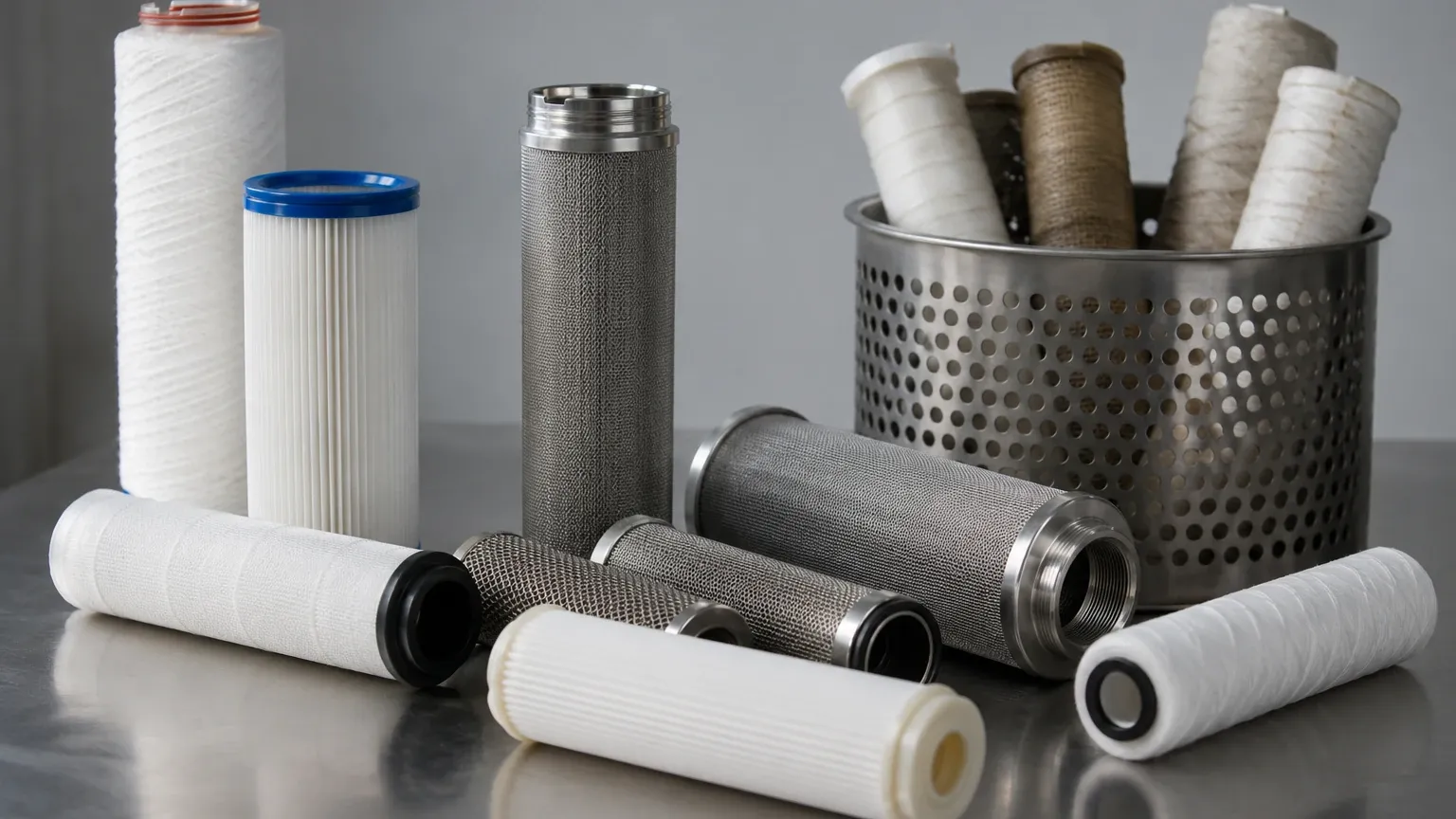
Before determining a disposal path, it is essential to identify the physical and chemical makeup of the filter. Industrial Filter Cartridges are engineered from a variety of materials depending on the application requirements, such as chemical compatibility, temperature resistance, and filtration fineness.
Polymeric and Synthetic Media
Many disposable cartridges utilize polypropylene, polyethylene, or nylon. These are often constructed as melt-blown, string-wound, or pleated depth filters. While these materials are generally inert, their disposal is complicated by the fact that they are designed for single-use and occupy significant volume in landfills. Because they are petroleum-based, they do not biodegrade, making them a long-term environmental concern.
Carbon-Based Media
Activated carbon cartridges are widely used for chlorine removal and organic compound adsorption. Once the carbon sites are saturated, the cartridge is "spent." Disposing of carbon media requires caution, as the adsorbed organic compounds may be volatile or hazardous, potentially re-entering the environment if not handled correctly.
Metallic and Stainless Steel Media
High-performance industrial filters, such as those manufactured by Kaifil, often utilize 304 or 316L stainless steel wire mesh or sintered metal. The primary advantage of these components is their cleanability. However, when they eventually reach the end of their functional life—due to structural fatigue or irreversible fouling—their disposal is handled differently than plastics. Stainless steel is 100% recyclable, providing a sustainable end-of-life path that aligns with corporate green initiatives.
Regulatory Compliance and Waste Classification
The most critical factor in determining how to dispose of water filter cartridges is the nature of the substances they have filtered. In a B2B environment, the filter itself is rarely the primary concern; rather, it is the "filter cake" or the trapped contaminants within the media.
Hazardous vs. Non-Hazardous Waste
If a filter has been used in a closed-loop cooling system for pure water, it may be classified as general industrial waste. However, if the filter was used in chemical processing, metal finishing, or pharmaceutical manufacturing, it may have captured heavy metals (such as lead, mercury, or chrome), hydrocarbons, or active pharmaceutical ingredients (APIs).
In the United States, the Environmental Protection Agency (EPA) governs waste through the Resource Conservation and Recovery Act (RCRA). Engineers must perform a waste determination to see if the spent filter exhibits characteristics of hazardous waste (ignitability, corrosivity, reactivity, or toxicity). Many industrial facilities use the Toxicity Characteristic Leaching Procedure (TCLP) to determine if contaminants will leach out of the filter media in a landfill environment.
Industry-Specific Mandates
* Food and Beverage: Filters used in food processing must be disposed of in a way that prevents biological contamination or spoilage odors, though they are usually non-hazardous.
* Pharmaceutical: Spent cartridges often require incineration to ensure that active compounds are completely destroyed.
* Oil and Gas: Filters used in hydraulic fracturing or refinery processes often contain NORM (Naturally Occurring Radioactive Material) or high concentrations of hydrocarbons, requiring specialized hazardous waste disposal services.
Practical Steps: How to Dispose of Water Filter Cartridges
Once the waste has been classified, the following steps outline the professional procedure for disposal in an industrial setting.
1. Drainage and Decontamination
Before removal, the filter housing should be fully depressurized and drained. Residual process fluid can increase the weight of the waste and complicate transportation. In some cases, flushing the cartridge with a neutralizing agent or water (if compatible) can reduce the concentration of hazardous chemicals, though the rinse water must then be treated in the facility’s wastewater system.
2. Containment and Labeling
Spent cartridges should be placed in leak-proof containers, such as heavy-duty poly bags or UN-rated drums. Proper labeling is mandatory for B2B operations. Labels should include the date of removal, the type of media, and a clear indication of the captured contaminants. This ensures the safety of the waste management personnel and compliance during transport.
3. Selecting a Disposal Method
* Landfill: Only suitable for non-hazardous, non-recyclable synthetic filters.
* Incineration/Waste-to-Energy: Often used for synthetic filters and carbon media to reduce volume and destroy organic contaminants while recovering energy.
* Recycling: This is the preferred method for stainless steel and other metal filter components. Scrap metal recyclers value the high nickel and chromium content in 316L stainless steel.
* Manufacturer Take-Back Programs: Some OEM suppliers offer programs to collect and recycle spent cartridges, though this is more common in specialized laboratory or high-volume commercial sectors.
The Impact of Filter Media on Disposal Options
When evaluating how to dispose of water filter cartridges, engineers must consider how the filter's physical structure impacts the efficiency of the disposal process.
Depth vs. Surface Filtration
Depth filters (like string-wound or melt-blown) trap particles throughout the thickness of the media. This makes them nearly impossible to clean and difficult to decontaminate before disposal. Surface filters (like pleated wire mesh) trap particles on the exterior. This structure allows for easier rinsing and mechanical removal of the filter cake, which can significantly reduce the hazardous mass of the waste.
Material Compatibility with Waste Streams
If a facility aims to move toward a "zero waste to landfill" goal, the choice of filter media is paramount. Synthetic filters are almost always destined for the landfill or incinerator. In contrast, stainless steel Filter Cartridges support a circular economy. Because they can be cleaned and reused multiple times, the frequency of disposal is reduced by a factor of 50 to 100 compared to disposable alternatives. When they are finally retired, their metal value ensures they are diverted from landfills and processed into new steel products.
Reducing Waste Through Reusable Stainless Steel Solutions
For many B2B applications, the best strategy for managing filter disposal is to reduce the volume of waste generated at the source. This is where the engineering advantages of stainless steel filtration become evident.
Extended Service Life
Standard polypropylene cartridges are typically replaced when the differential pressure reaches a specific set point (often 15-20 psi). Once pulled, they are waste. Stainless steel cartridges, however, are designed to withstand high differential pressures and can be cleaned via backwashing, ultrasonic baths, or chemical cleaning. This capability transforms the filter from a recurring waste item into a long-term capital asset.
Total Cost of Ownership (TCO)
While the initial purchase price of a stainless steel filter is higher than a disposable one, the TCO is often much lower when disposal costs are factored in. Industrial waste disposal fees—especially for hazardous materials—can be substantial. By minimizing the number of cartridges sent to waste, facilities reduce:
* Disposal service fees.
* Labor costs associated with frequent filter changes.
* Administrative costs for tracking hazardous waste manifests.
* Storage space required for new and spent inventory.
Engineering Considerations for Lifecycle Management
When designing or upgrading a filtration system, engineers should ask the following questions to optimize the disposal phase of the product lifecycle:
1. What is the expected contaminant load? High solids loading will lead to frequent disposal of single-use cartridges. In these scenarios, a cleanable metal filter is technically and economically superior.
2. Are the contaminants hazardous? If the captured material requires specialized disposal, the ability to clean and reuse the filter media becomes a significant cost-saving measure.
3. Is material recovery possible? In some mining or chemical processes, the "waste" trapped in the filter is actually a valuable byproduct. Stainless steel filters allow for easier recovery of these solids compared to being embedded in a polymer matrix.
4. What are the local environmental regulations? Regional laws may dictate specific disposal routes for certain plastics or chemicals, influencing the choice of filter media.
Conclusion: Making Informed Disposal Decisions
Determining how to dispose of water filter cartridges is a multifaceted task that requires a balance of technical knowledge, regulatory awareness, and environmental responsibility. For industrial B2B operations, the shift away from disposable synthetic media toward durable, recyclable stainless steel solutions offers a clear path to reducing waste and operational costs.
By selecting high-quality Filter Cartridges that offer cleanability and long-term durability, engineers can simplify their waste management protocols and contribute to a more sustainable industrial ecosystem. Whether you are handling non-hazardous process water or complex chemical streams, the goal remains the same: efficient filtration with minimal environmental impact.
