


Maxtra Water Filter Cartridges
In the realm of water treatment and fluid purification, the selection of appropriate filtration media is a critical decision for engineers and procurement specialists. Among the various technologies available for light commercial and localized industrial applications, maxtra water filter cartridges have established a significant presence. While often associated with consumer-grade pitchers, the underlying technology of these cartridges represents a specific approach to gravity-fed and low-pressure filtration that warrants technical analysis from an industrial perspective.
For professionals managing facilities, laboratory environments, or food service operations, understanding the mechanics, limitations, and performance metrics of these cartridges is essential. This guide explores the engineering principles behind Maxtra technology, compares it with industrial-grade Filter Cartridges, and provides actionable criteria for selecting the right filtration solution for specific technical requirements.
The Mechanics of Maxtra Filtration Technology
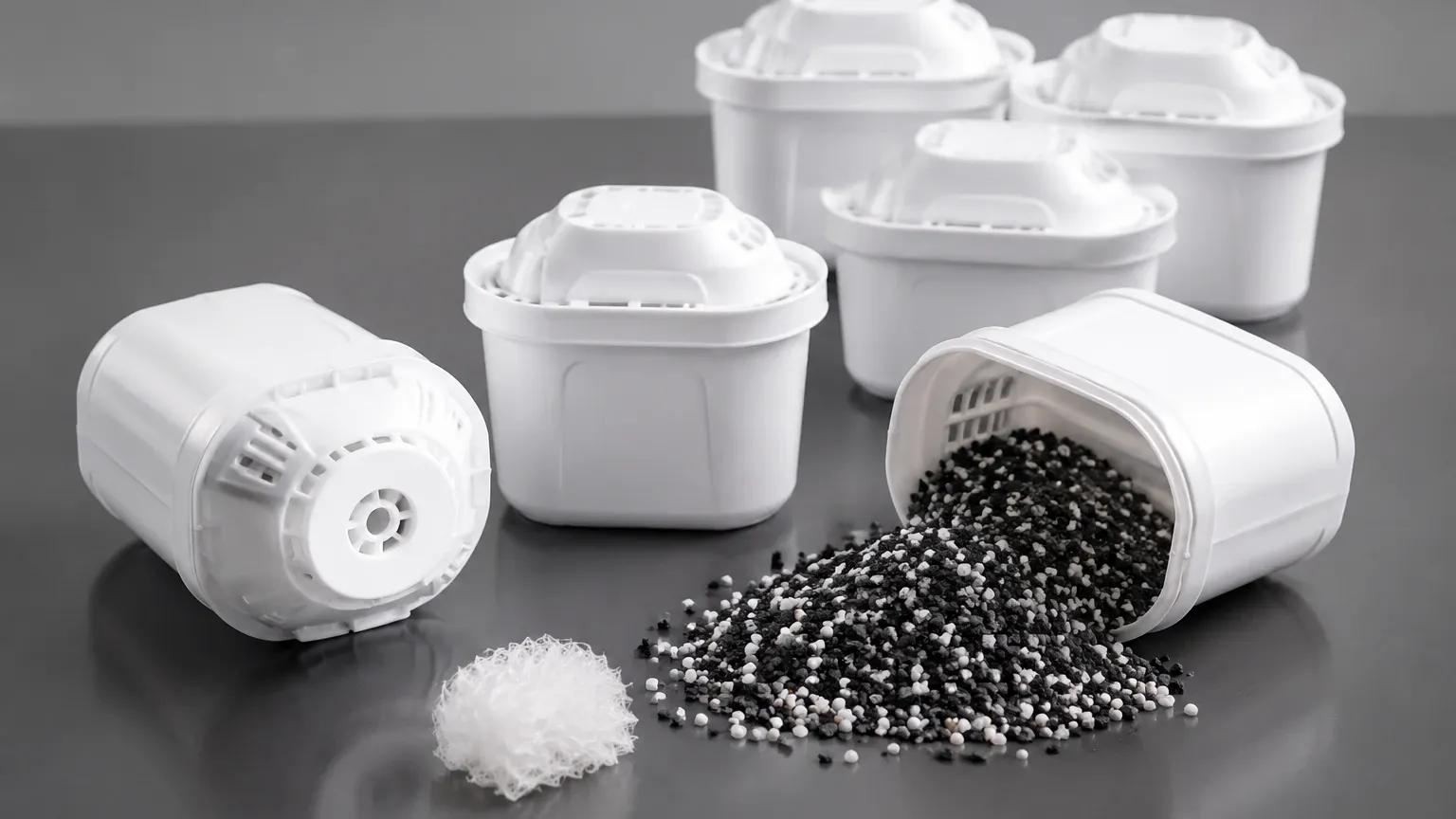
Maxtra water filter cartridges utilize a multi-stage filtration process designed to address specific contaminants commonly found in municipal water supplies. From an engineering standpoint, the cartridge functions as a composite filter bed, combining physical straining with chemical adsorption and ion exchange.
Micro-Carbon Pearls
The primary component for chemical reduction in these cartridges is activated carbon, often derived from natural sources like coconut shells. In the Maxtra design, these are processed into "micro-carbon pearls." These pearls have an immense internal surface area with millions of pores that adsorb organic compounds, chlorine, and certain pesticides. For industrial users, the efficiency of this stage is measured by the Iodine Number and the specific surface area (m²/g), which dictate how effectively the cartridge can neutralize odors and improve taste profiles in process water.
Ion Exchange Resin
The second critical component is the ion exchange resin. These beads are engineered to reduce carbonate hardness (limescale) and heavy metals such as lead and copper. In a B2B context, particularly in boiler feed water or high-end coffee brewing equipment, managing mineral content is vital for preventing equipment scaling and ensuring consistent output quality. The resin works by exchanging calcium and magnesium ions for hydrogen or sodium ions, depending on the specific resin type used in the cartridge.
Fine Mesh Filtration
Surrounding the active media is a fine mesh layer. This serves as the final physical barrier, preventing the migration of carbon fines or resin beads into the filtered water. While effective for basic sediment, engineers must note that these meshes are typically designed for macro-particulate removal and may not meet the stringent micron ratings required for sterile pharmaceutical or high-precision chemical processing.
Technical Evaluation: Performance and Flow Dynamics
When integrating maxtra water filter cartridges into a professional workflow, technical teams must evaluate their performance against specific hydraulic parameters. Unlike high-pressure industrial systems, these cartridges are often optimized for gravity-flow or low-pressure environments.
Flow Rate and Contact Time
Filtration efficiency is heavily dependent on contact time—the duration the water remains in contact with the carbon and resin. Maxtra cartridges are designed with a controlled flow rate to ensure that the chemical reactions (adsorption and ion exchange) have sufficient time to occur. If the flow rate is forced beyond the design specifications, the "breakthrough" point is reached prematurely, resulting in poor contaminant reduction.
Filtration Capacity
Industrial users must track the total volume of water processed. Most maxtra water filter cartridges are rated for a specific liter capacity (typically between 100 to 150 liters) or a time-based replacement cycle (usually 4 weeks). In a commercial setting with high throughput, this necessitates a rigorous maintenance schedule to avoid the risk of bacterial growth or media exhaustion.
Comparing Polymer Cartridges with Stainless Steel Solutions
While polymer-based maxtra water filter cartridges are suitable for certain applications, many industrial environments require the durability and precision of metal filtration components. Understanding the transition from consumer-style cartridges to industrial-grade Filter Cartridges is key for optimizing long-term operational costs.
Structural Integrity and Pressure Resistance
Standard Maxtra-style cartridges are constructed from food-grade plastics (BPA-free). While sufficient for atmospheric pressure, they cannot withstand the high-pressure surges or hydraulic shocks common in industrial pumping systems. In contrast, stainless steel filter cartridges, such as those manufactured from 304 or 316L alloys, offer superior mechanical strength. They can operate under high differential pressures without the risk of housing failure or media bypass.
Chemical and Thermal Compatibility
Plastic cartridges have limited thermal resistance, often restricted to water temperatures below 30°C (86°F). In chemical processing or steam-heavy environments, stainless steel filters are indispensable. They can withstand extreme temperatures and are resistant to a wide array of corrosive chemicals that would degrade the polymer housing and internal resins of a standard Maxtra cartridge.
Sustainability and Reusability
A significant consideration for modern B2B procurement is the environmental impact and total cost of ownership. Maxtra cartridges are generally single-use consumables. Once the media is exhausted, the entire unit is replaced. Industrial stainless steel filter elements, however, are often designed to be cleanable and reusable. Through ultrasonic cleaning or backwashing, these metal filters can be restored to their original performance levels, significantly reducing the waste stream and long-term procurement costs.
Selection Criteria for Industrial Applications
Before deciding to implement maxtra water filter cartridges or moving to a more robust industrial alternative, engineers should confirm several key factors to ensure the filtration system meets the application’s demands.
1. Target Contaminants: Clearly define what needs to be removed. If the goal is simply chlorine and taste improvement in an office kitchen, Maxtra technology is highly effective. If the requirement involves sub-micron particulate removal or high-concentration chemical stripping, specialized industrial cartridges are required.
2. Micron Rating Requirements: Maxtra cartridges do not typically carry an absolute micron rating. For applications requiring 1-micron or 5-micron absolute filtration (such as protecting sensitive membranes in RO systems), precision-engineered metal or pleated cartridges are the industry standard.
3. Housing Compatibility: Maxtra cartridges utilize a proprietary shape. Integrating them into a system requires specific housings. For broader industrial compatibility, engineers often prefer the "Double Open End" (DOE) or "Code 7" (226/Fin) standards found in professional stainless steel filter housings.
4. Operating Environment: Assess the potential for pressure spikes, vacuum conditions, or temperature fluctuations. If the system is subject to harsh physical conditions, the fragile nature of plastic cartridges may lead to frequent failures and downtime.
Common Risks and Mitigation Strategies
Using any filtration cartridge involves risks that must be managed through proper engineering oversight. With maxtra water filter cartridges, the primary risks involve media exhaustion and microbial colonization.
Media Exhaustion
Because there is no visual indicator of resin exhaustion, users must rely on flow meters or strict calendar-based replacement. In industrial settings, failing to replace a cartridge on time can lead to limescale buildup in downstream equipment, potentially causing thousands of dollars in repair costs for espresso machines, laboratory water baths, or humidifiers.
Biofilm Development
Static water inside a filter cartridge is a breeding ground for bacteria. While many cartridges incorporate silver-treated media to inhibit bacterial growth, this is not a substitute for regular use and flushing. Systems that remain idle for extended periods should have the cartridges replaced before resuming operation to ensure the safety and purity of the output.
The Path to Optimized Filtration
For many B2B applications, the journey begins with identifying the specific fluid dynamics and purity standards required for the task at hand. While maxtra water filter cartridges provide an accessible and efficient solution for localized, low-volume water treatment, they represent just one segment of the broader filtration landscape.
As requirements scale in complexity and volume, the transition to high-performance, customized Filter Cartridges becomes necessary. These professional-grade components offer the precision, durability, and customization—such as specific mesh weaves or sintered metal structures—that demanding industrial processes require. By evaluating the total lifecycle cost, including replacement frequency, energy consumption (due to pressure drop), and equipment protection, purchasing teams can make informed decisions that balance immediate utility with long-term reliability.
In conclusion, whether utilizing the specialized adsorption capabilities of maxtra water filter cartridges or the rugged reliability of stainless steel industrial filters, the goal remains the same: achieving consistent, high-quality fluid output. By focusing on factual performance data and engineering constraints, technical professionals can ensure their filtration systems contribute to the overall efficiency and longevity of their industrial operations.
