


Replacement Filter Quooker Tap
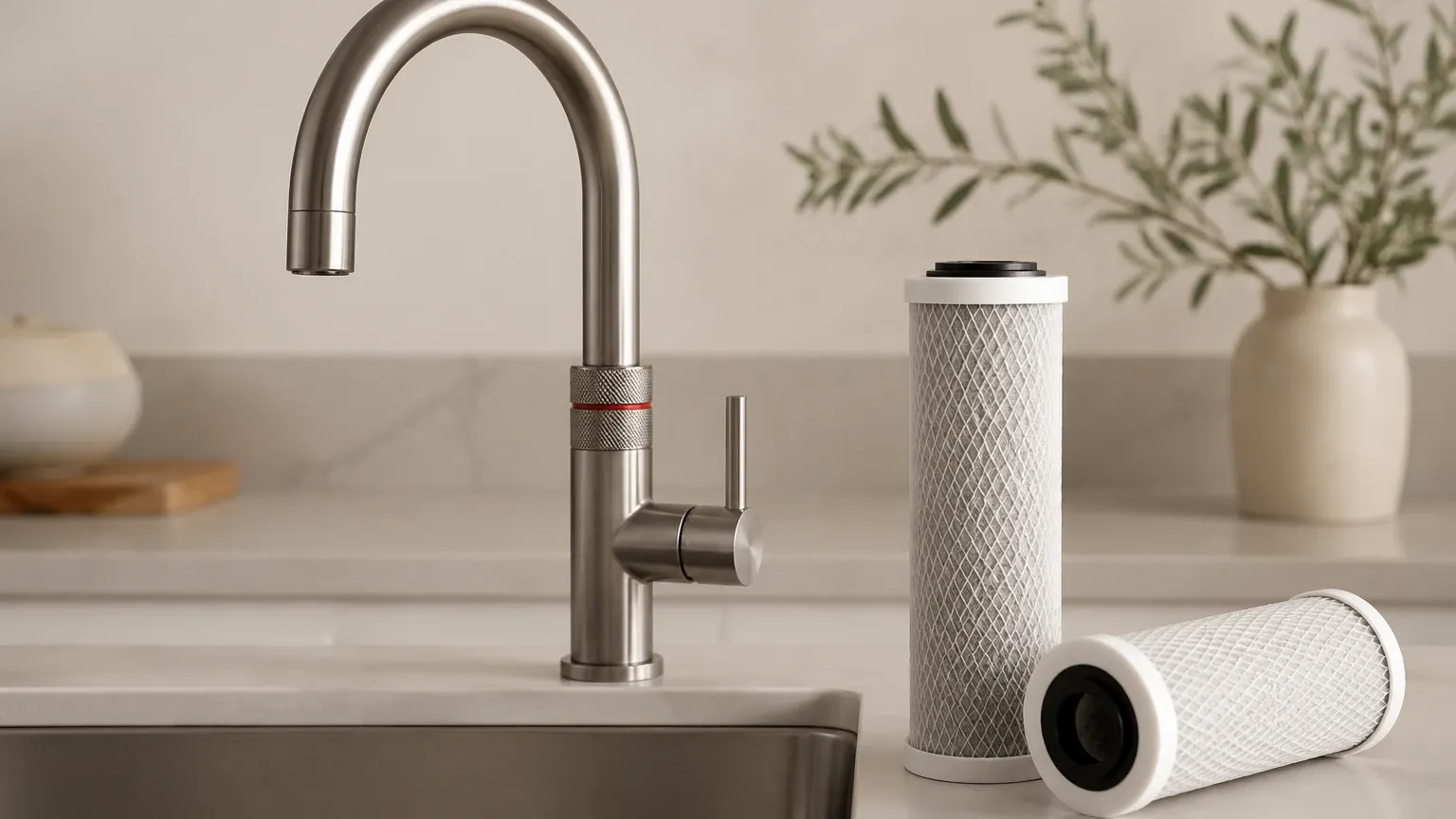
In the landscape of modern commercial kitchens and industrial breakrooms, the demand for instantaneous boiling water has made systems like the Quooker tap a standard fixture. However, the operational efficiency and longevity of these high-performance systems depend heavily on the quality of their filtration components. For facilities managers, engineers, and procurement specialists, selecting a replacement filter quooker tap is not merely a routine maintenance task but a technical decision that impacts system uptime, water quality, and the prevention of costly scale-related damage.
Industrial-grade filtration ensures that these systems operate within their designed thermal and hydraulic parameters. By understanding the engineering behind Filter Cartridges and the specific requirements of high-temperature water systems, technical professionals can make informed decisions that optimize the performance of their boiling water infrastructure.
Understanding the Technical Role of Filtration in Boiling Water Systems
Boiling water taps operate under unique conditions that differ significantly from standard cold-water dispensers. The primary function of a replacement filter quooker tap is twofold: the removal of chemical impurities such as chlorine, which affects taste and odor, and the mitigation of mineral content that leads to limescale.
In a B2B or commercial environment, the volume of water processed is significantly higher than in residential settings. This increased throughput places higher stress on the filtration media. When water is heated to boiling temperatures, the solubility of calcium carbonate decreases, leading to rapid scale precipitation. Without high-efficiency filtration, this scale accumulates on heating elements and within the vacuum-insulated tank, reducing thermal efficiency and eventually leading to component failure.
From an engineering perspective, the filter must provide a consistent flow rate while maintaining a specific micron rating to trap fine particulates. This balance is critical; a filter that is too restrictive will cause a drop in delivery pressure, while one that is too porous will allow damaging minerals to bypass the system and enter the boiler tank.
Engineering Requirements for a High-Performance Replacement Filter Quooker Tap
When evaluating a replacement filter quooker tap, several engineering specifications must be considered to ensure compatibility and performance. These systems typically utilize a multi-stage filtration process housed within a compact cartridge.
1. Thermal Stability
Because these filters are often located in close proximity to the boiling water tank or integrated into a system that manages high-temperature return lines, the materials used in the filter housing and the media itself must exhibit high thermal stability. Standard plastic components may suffer from thermal creep or degradation over time, whereas specialized polymers or metal-reinforced housings are designed to withstand these fluctuations.
2. Pressure Management
Boiling water systems are pressurized to maintain the water in a liquid state at temperatures exceeding 100°C before it is dispensed. A replacement filter must be rated for the maximum operating pressure of the system, including potential pressure spikes that occur during the heating cycle. High-quality Filter Cartridges are tested for burst pressure and fatigue resistance to ensure they do not become a point of failure in the hydraulic circuit.
3. Chemical Compatibility
In industrial water treatment, the compatibility of the filter media with the local water chemistry is paramount. In regions with high alkalinity or heavy metal concentrations, a standard carbon block may not be sufficient. Engineers often look for filters that incorporate ion-exchange resins or specialized polyphosphates to chemically sequester scale-forming ions.
The Role of Filter Cartridges in Scale Prevention and Component Protection
Limescale is the primary enemy of any boiling water system. In a commercial setting, a single day of operation without adequate filtration can result in a measurable layer of scale on the heating element. This layer acts as an insulator, forcing the element to run hotter and longer to reach the target temperature, which increases energy consumption and shortens the element’s lifespan.
High-performance Filter Cartridges designed for these applications utilize advanced media to address this. The filtration process typically involves:
* Mechanical Filtration: A sediment wrap or pleated outer layer that removes sand, rust, and silt.
* Adsorption: Activated carbon to remove organic compounds and chlorine.
* Ion Exchange: A resin bed that replaces calcium and magnesium ions with sodium or hydrogen ions, effectively softening the water before it enters the boiler.
For the technical buyer, the "capacity" of the filter—usually measured in liters—is a critical metric. This capacity is determined by the volume of ion-exchange resin within the cartridge. In high-traffic environments, selecting a filter with a higher grain capacity can significantly extend the interval between maintenance cycles, reducing the total cost of ownership.
Material Integrity: Stainless Steel vs. Standard Media in High-Temperature Filtration
While many standard replacement filters utilize plastic housings and synthetic fiber media, industrial filtration often moves toward more robust materials like stainless steel for demanding applications. At Kaifil, the emphasis on stainless steel filtration solutions highlights the benefits of material durability in harsh environments.
In specialized high-temperature water applications, stainless steel wire mesh or sintered metal filters offer advantages that plastic-based systems cannot match:
* Structural Rigidity: Stainless steel does not deform under pressure or heat, ensuring that the filtration gap (the micron rating) remains constant throughout the filter's life.
* Corrosion Resistance: 304 or 316L stainless steel provides excellent resistance to the corrosive effects of treated water and high temperatures.
* Cleanability: Unlike disposable synthetic cartridges, some industrial metal filters can be backwashed or ultrasonically cleaned, although most Quooker-style systems are designed for replaceable cartridge units for ease of maintenance.
When sourcing a replacement filter quooker tap, checking the quality of the internal seals and the robustness of the cartridge casing is essential. A failure in the seal can lead to "bypass," where unfiltered water enters the tank, rendering the filter useless.
Operational Considerations: Flow Rates and Pressure Management
One of the most common issues reported after installing a sub-par replacement filter is a noticeable decrease in the flow rate of the boiling water. This is often due to high initial differential pressure (ΔP) across the filter media.
Engineers must ensure that the replacement cartridge is designed to handle the specific flow requirements of the tap. If the filter media is too dense, the pump (in tank-fed systems) or the mains pressure (in direct-fed systems) may not be sufficient to push water through the filter at the required rate. This not only frustrates the end-user but can also cause the pump to work harder, leading to premature wear.
Furthermore, as the filter accumulates particulates, the differential pressure increases. A high-quality Filter Cartridges solution will have a "depth filtration" design, which allows it to trap particles throughout the thickness of the media rather than just on the surface. This design prolongs the time it takes for the pressure drop to reach a critical level, ensuring a steady flow of water for a longer period.
Selection Criteria for Commercial and Industrial Water Filtration Components
When procurement teams look for a replacement filter quooker tap, they should evaluate the following technical criteria to ensure the product meets industrial standards:
1. Micron Rating: For boiling water taps, a rating between 1 and 5 microns is typically ideal for removing sediment while maintaining flow.
2. Certification: Look for NSF/ANSI 42 (Aesthetic Effects) and NSF/ANSI 53 (Health Effects) certifications, which verify the filter's performance claims regarding chlorine and lead removal.
3. Connection Type: Ensure the cartridge uses the correct proprietary or universal connection (such as a bayonet or screw-in mount) to prevent leaks.
4. Service Life: Confirm the rated capacity in liters and the maximum recommended service time (usually 6 to 12 months). In commercial settings with hard water, these intervals may need to be shortened.
5. Operating Temperature Range: Verify that the filter is rated for the ambient and water temperatures it will encounter in the installation environment.
Custom OEM Solutions for Specialized Filtration Applications
For manufacturers of water dispensing equipment or large-scale facility operators, off-the-shelf filters may not always meet specific engineering requirements. This is where custom filtration expertise becomes invaluable.
Kaifil specializes in the design and manufacture of custom stainless steel filtration components that can be integrated into various industrial systems. Whether it is a specialized wire mesh screen to protect a high-pressure pump or a custom-designed filter cartridge for a unique chemical process, the principles of precision engineering remain the same. By focusing on material science and filtration accuracy, manufacturers can develop solutions that exceed the performance of standard consumer-grade components.
In the context of a replacement filter quooker tap, understanding these industrial-grade principles allows users to appreciate the difference between a budget alternative and a high-performance component that truly protects the system’s internal architecture.
Conclusion: Ensuring System Longevity Through Quality Components
The maintenance of boiling water systems is a critical aspect of facility management. Choosing the right replacement filter quooker tap is more than a matter of convenience; it is a technical requirement for protecting expensive equipment from scale, corrosion, and sediment.
By prioritizing high-quality Filter Cartridges and understanding the engineering demands of high-temperature water filtration, organizations can ensure their systems remain efficient, reliable, and safe for all users. Whether you are managing a single office tap or a complex industrial water system, the focus should always be on technical compatibility, material integrity, and proven filtration performance.
