


Unicel Pool Filter Cartridges
In the realm of commercial and industrial water treatment, the efficiency of a filtration system is fundamentally tied to the quality of its media. Unicel pool filter cartridges have long been established as a benchmark for synthetic pleated filtration, particularly in recreational water and light commercial applications. For engineers and facility managers, understanding the technical specifications, material limitations, and performance metrics of these components is essential for maintaining water clarity and system longevity.
While residential applications focus on basic clarity, B2B procurement for large-scale aquatic facilities, hotels, and industrial cooling loops requires a deeper dive into the engineering behind the cartridge. Selecting the right Filter Cartridges involves balancing flow rates, pressure differentials, and chemical compatibility to optimize the total cost of ownership.
Understanding the Engineering Behind Unicel Pool Filter Cartridges
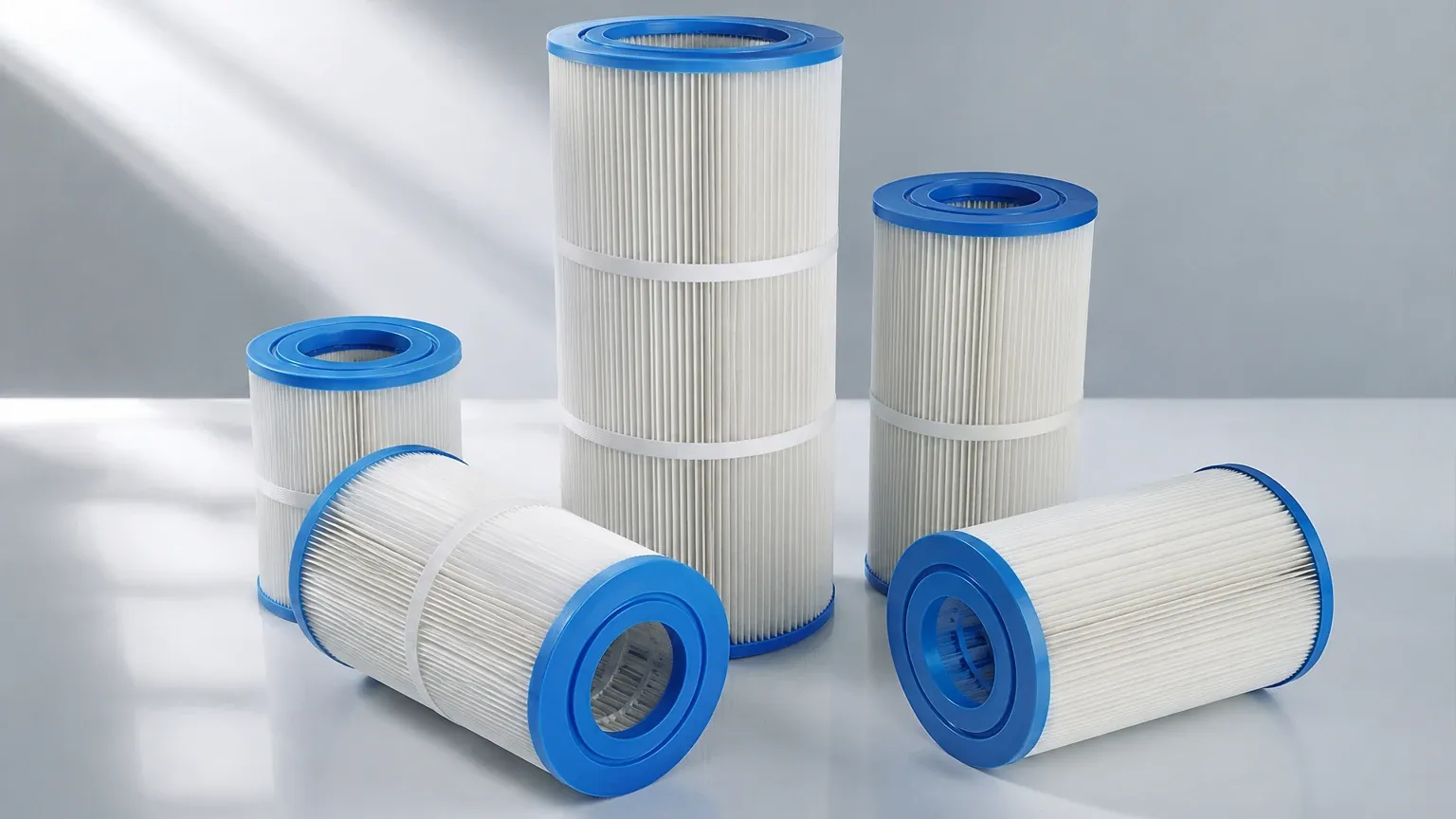
The primary function of a pool filter cartridge is to provide a high surface area for the mechanical separation of suspended solids. Unicel utilizes spun-bond polyester media, often referred to by the trade name Reemay. Unlike standard paper filters, this synthetic material is designed for durability and repeated cleaning cycles.
Pleat Geometry and Surface Area
From an engineering perspective, the efficiency of a cartridge is determined by its pleat count and pleat depth. A higher pleat count increases the total square footage of the filtration area within the same physical footprint. This is critical because it reduces the "face velocity"—the speed at which water passes through the media. Lower face velocity allows for finer particle capture and reduces the rate at which the filter becomes blinded by debris.
Structural Integrity
Industrial-grade cartridges must withstand significant pressure differentials. Unicel cartridges typically feature heavy-duty inner cores made of reinforced PVC or similar polymers. These cores are perforated to allow maximum flow while preventing the pleats from collapsing under the weight of accumulated debris or high-pump-head pressure. The end caps are molded from durable polyurethane, ensuring a tight seal within the filter housing to prevent bypass—a common failure point in lower-quality alternatives.
Material Science: Synthetic Media vs. Stainless Steel Filtration
When specifying filtration components, technical professionals must decide between synthetic pleated media and metallic alternatives. While Unicel pool filter cartridges excel in standard water treatment, certain industrial environments demand different material properties.
Chemical Resistance
Synthetic polyester is highly resistant to common pool chemicals like chlorine and bromine. However, in industrial processes involving high concentrations of solvents, extreme pH levels, or high temperatures, stainless steel wire mesh filters may be required. Engineers must evaluate the chemical profile of the fluid to ensure the media will not degrade over time, which could lead to downstream contamination.
Temperature Limits
Standard pool cartridges are generally rated for temperatures up to 100°F (38°C). In industrial heat exchange or hot water recovery systems, these limits are easily exceeded. In such cases, switching from synthetic cartridges to custom-engineered stainless steel filter cartridges ensures structural stability and prevents the melting or warping of the filter core and end caps.
Critical Performance Metrics: Flow Rate and Micron Efficiency
For a filtration system to operate effectively, it must be sized according to the expected flow rate and the required level of filtration (micron rating).
Nominal vs. Absolute Filtration
Most pool filter cartridges provide nominal filtration, meaning they are designed to capture a high percentage of particles of a specific size (typically 10 to 20 microns). In precision industrial applications, an absolute rating might be necessary, where 99.9% of particles above a certain size are blocked. Understanding this distinction is vital for purchasing teams who need to meet specific water quality standards for industrial reuse or sensitive equipment protection.
Pressure Drop (Delta P)
Every filter introduces a pressure drop into the system. A clean Unicel cartridge should ideally contribute a minimal PSI drop (usually less than 2-3 PSI). As the filter captures debris, the pressure drop increases. Engineers use the "Clean vs. Dirty" pressure differential to determine the optimal cleaning or replacement cycle. Operating a system with an excessively high pressure drop not only reduces flow but also places undue stress on pumps and piping, leading to premature mechanical failure.
Industrial vs. Recreational Applications: Selecting the Right Filter Cartridges
While the term "pool filter" suggests a limited scope, these cartridges are frequently used in various B2B sectors, including:
* Commercial Aquatic Centers: High-traffic facilities require robust filtration that can handle high bather loads and continuous operation.
* Industrial Cooling Towers: Removing scale and organic matter from cooling water prevents fouling in heat exchangers.
* Pre-Filtration for Reverse Osmosis (RO): Cartridges act as a sacrificial barrier to protect expensive RO membranes from large particulates.
* Wastewater Pre-treatment: Removing suspended solids before chemical treatment or discharge.
In these environments, the choice of filter cartridges is a strategic decision. While Unicel offers a reliable standard for water-based systems, engineers must verify that the housing compatibility and flow capacity align with the specific demands of the industrial process.
Maintenance Protocols and Replacement Cycles
The longevity of a filter cartridge is directly related to its maintenance regime. Unlike sand filters that require backwashing, cartridge filters must be physically removed and cleaned. This process, while more labor-intensive, saves significant amounts of water—a key consideration for facilities focused on sustainability and water conservation.
Cleaning Procedures
To maintain the integrity of the polyester media, cleaning should involve a low-pressure rinse to remove loose debris, followed by a chemical soak if oils or minerals are present. Using high-pressure washers is discouraged as it can tear the fibers of the media, permanently reducing the filtration efficiency. For industrial users, having a redundant set of cartridges allows for a "swap and soak" strategy, ensuring zero downtime during maintenance windows.
Indicators for Replacement
Even with meticulous cleaning, all synthetic cartridges eventually reach the end of their service life. Key indicators for replacement include:
1. Permanent Pressure Increase: If the clean pressure drop remains 8-10 PSI above the original "new" pressure, the media is likely deeply fouled.
2. Fiber Fraying: Visible degradation of the polyester fibers indicates the filter can no longer provide the rated micron efficiency.
3. End Cap Cracking: Any compromise in the structural integrity of the end caps will lead to water bypass, rendering the filtration ineffective.
Evaluating Total Cost of Ownership in Filtration Systems
For procurement departments, the initial purchase price of Unicel pool filter cartridges is only one part of the economic equation. A comprehensive Total Cost of Ownership (TCO) analysis should include:
* Energy Consumption: A cleaner, more efficient filter reduces the head pressure on pumps, leading to lower electricity costs over time.
* Water Savings: As mentioned, the lack of a backwash cycle saves thousands of gallons of treated water annually.
* Labor Costs: The ease of installation and the length of the filtration cycle (the time between cleanings) impact maintenance labor hours.
* Equipment Protection: High-quality filtration prevents the fouling of downstream components like heaters, chlorinators, and sensors, extending their operational life.
In demanding environments where synthetic filters fail prematurely due to heat or chemical stress, the TCO may actually favor more expensive, permanent stainless steel solutions. However, for the vast majority of water-clarification tasks, high-quality pleated cartridges remain the most cost-effective solution.
Conclusion: Making an Informed Decision
Selecting the appropriate filtration media requires a thorough understanding of the application's physical and chemical environment. Unicel pool filter cartridges provide a dependable, high-surface-area solution for a wide range of water treatment needs. By focusing on technical specifications like pleat density, core strength, and micron ratings, engineers can ensure their systems operate at peak efficiency.
For facilities requiring specialized materials or custom dimensions that exceed the capabilities of standard synthetic options, consulting with manufacturers of precision metal filtration components is the next logical step. Whether the goal is protecting sensitive industrial equipment or maintaining the clarity of a commercial pool, the right choice in filtration media is the foundation of a reliable system.
When evaluating high-performance systems, engineers often compare synthetic options with specialized industrial Filter Cartridges to ensure long-term durability in corrosive or high-pressure environments. Understanding these technical boundaries allows for the optimization of both performance and budget in any industrial filtration project.
