


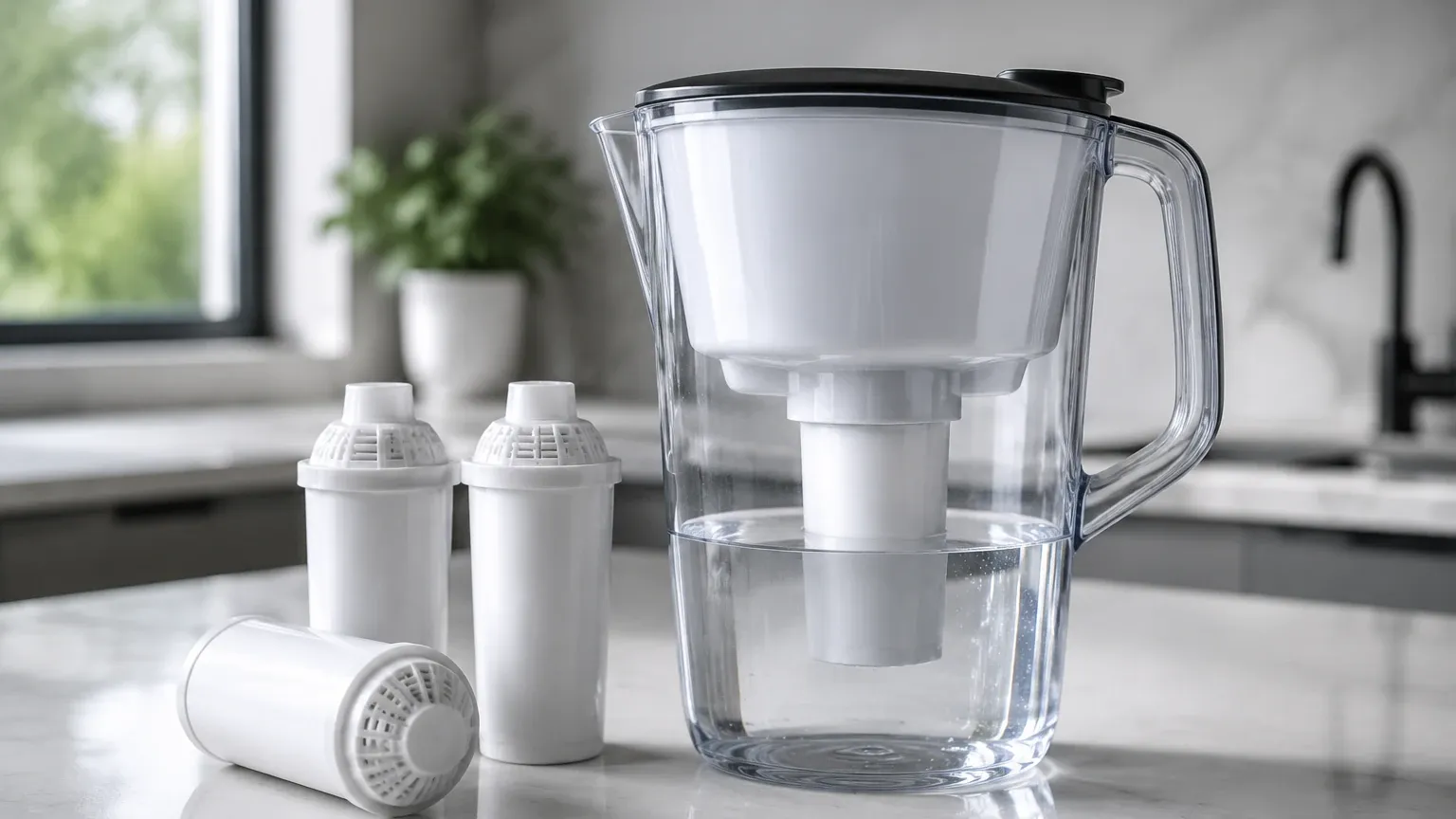
Water Filter Cartridges Jug
In the realm of water treatment, the concept of the water filter cartridges jug represents the most accessible entry point into fluid purification. While commonly associated with residential use for improving the taste and odor of tap water, the underlying engineering principles of these cartridges serve as a foundational reference for industrial-scale filtration. For engineers and procurement specialists in the B2B sector, understanding the transition from gravity-fed consumer jugs to high-pressure industrial Filter Cartridges is essential for optimizing process water, protecting downstream equipment, and ensuring chemical compatibility in demanding environments.
Industrial water filtration requires a significant departure from the plastic-housed, carbon-granule designs found in standard jugs. As applications scale into chemical processing, food and beverage production, and pharmaceutical manufacturing, the requirements for durability, filtration precision, and material integrity become paramount. This guide explores the technical bridge between basic jug filtration and professional metal filtration solutions, focusing on selection criteria, material science, and performance expectations.
The Mechanics of Water Filtration: From Jugs to Industrial Systems
A standard water filter cartridges jug typically operates via gravity. Water passes through a multi-stage media—usually a combination of activated carbon and ion-exchange resin—to reduce chlorine, heavy metals, and organic compounds. In an industrial context, this process is pressurized and accelerated, requiring a more robust structural framework.
Adsorption and Chemical Reduction
Activated carbon is the primary medium in jug filters due to its high surface area, which allows for the adsorption of volatile organic compounds (VOCs). In industrial settings, while carbon is still used, it is often housed within stainless steel cartridges or used as a pre-treatment stage before mechanical filtration. The goal is not just taste improvement but the removal of contaminants that could cause oxidation or scaling in industrial boilers and cooling towers.
Mechanical Filtration and Micron Ratings
Unlike the coarse mesh found in a consumer jug, industrial filter cartridges utilize precision-engineered wire mesh or sintered metal to achieve specific micron ratings. While a jug might filter particles down to 50 or 100 microns, industrial applications often require precision at the 5-micron or even 1-micron level. This is where stainless steel wire mesh becomes superior, providing a rigid pore structure that does not deform under high differential pressure.
Material Science: Transitioning to Stainless Steel Solutions
The most significant difference between a consumer water filter cartridges jug and an industrial filtration component is the material of construction. Most jug-based systems utilize BPA-free plastics and synthetic fibers. While cost-effective for low-volume use, these materials fail under the thermal and chemical stresses of industrial processing.
Temperature and Pressure Resistance
Industrial water lines often operate at elevated temperatures or experience pressure surges (water hammer). Plastic cartridges used in basic jugs are prone to cracking or bypass under these conditions. Stainless steel (304 or 316L) filter cartridges offer the structural integrity required to withstand temperatures exceeding 200°C and high-pressure differentials without compromising the filtration barrier.
Chemical Compatibility and Corrosion
In sectors like chemical processing or pharmaceutical manufacturing, the water being filtered may contain solvents or be part of a CIP (Clean-in-Place) cycle involving caustic agents. Stainless steel is naturally resistant to a wide range of chemicals that would degrade the polypropylene or polyester components of a standard water filter cartridges jug. Using high-grade metal alloys ensures that the filter does not leach contaminants back into the process stream.
Engineering Considerations for Industrial Filter Cartridges
When scaling up from a simple jug-based filtration mindset to a professional system, engineers must evaluate several technical parameters to ensure the longevity and efficiency of the filtration unit.
Flow Rate and Flux
In a gravity-fed jug, the flow rate is limited by the media's permeability and the weight of the water. In B2B applications, flow rates are measured in gallons per minute (GPM) or cubic meters per hour. Selecting the right surface area is critical; if the filter area is too small for the required flow, the velocity through the media increases, leading to premature clogging and potential particle breakthrough.
Differential Pressure (Delta P)
The pressure drop across a filter is a key indicator of its performance and remaining service life. Industrial systems are equipped with gauges to monitor Delta P. Unlike a jug filter, which is simply replaced when the flow slows down, industrial cartridges are designed to operate within a specific pressure range to maintain process stability. Stainless steel mesh filters are particularly advantageous here, as they can be cleaned and backwashed to restore the original pressure profile.
Filtration Efficiency and Beta Ratio
While a water filter cartridges jug might offer a "percentage reduction" of a contaminant, industrial filters are often rated by their Beta Ratio—a measure of the filter's efficiency at capturing particles of a specific size. For critical applications, absolute-rated cartridges are preferred over nominal-rated ones to ensure that 99.9% of particles at the target micron size are successfully removed.
Customization and OEM Integration
One of the primary limitations of the standard water filter cartridges jug is its "one-size-fits-all" design. Industrial filtration requires a high degree of customization to fit specific machinery and meet unique process requirements. This is where specialized manufacturers like Kaifil provide value through OEM services.
Tailored Dimensions and End-Cap Configurations
Industrial filters must interface perfectly with existing housings. This requires custom lengths, diameters, and end-cap styles (such as 222, 226, or NPT threaded connections). Customization ensures a leak-proof seal, preventing the bypass of unfiltered water—a risk that is much higher in standardized consumer products.
Specialized Media Layers
For complex water treatment challenges, a single layer of mesh may not be sufficient. Industrial cartridges can be engineered with multiple layers of varying mesh counts. A coarse outer layer acts as a pre-filter to catch large debris, while a fine inner layer provides the final polishing. This graded density approach extends the life of the cartridge significantly compared to the single-stage media found in most jugs.
Maintenance, Cleaning, and Total Cost of Ownership
The economic model of a water filter cartridges jug is based on frequent replacement of inexpensive, disposable units. In a B2B environment, this model is often inefficient and environmentally costly. The Total Cost of Ownership (TCO) is a better metric for evaluating filtration solutions.
Cleanability vs. Disposability
Stainless steel filter cartridges represent a higher initial investment but offer the advantage of being cleanable. Through ultrasonic cleaning, chemical baths, or backflushing, these filters can be reused for years. In high-volume water treatment, the cost of replacing disposable plastic cartridges every few weeks quickly exceeds the one-time cost of a durable metal filter.
Monitoring Replacement Cycles
In industrial settings, replacement or cleaning cycles are determined by data rather than a calendar. By monitoring the differential pressure and effluent quality, maintenance teams can optimize the timing of filter servicing. This prevents unnecessary downtime and ensures that the system always operates at peak efficiency.
Selecting the Right Solution for Commercial Water Treatment
Choosing between a standard filtration approach and a high-performance industrial system depends on the specific goals of the facility. For simple potable water in a breakroom, a water filter cartridges jug may suffice. However, for any process-critical application, engineers should confirm the following before procurement:
1. Fluid Characteristics: What is the pH, temperature, and viscosity of the water being filtered?
2. Contaminant Load: Is the water heavily laden with sediment, or are you removing trace organic compounds?
3. Regulatory Compliance: Does the filter material meet FDA or ISO standards for food and beverage contact?
4. Operational Environment: Will the filter be subjected to vibration, pressure spikes, or frequent cleaning cycles?
By addressing these factors, purchasing teams can move beyond the limitations of consumer-grade products and implement robust filtration strategies that protect their infrastructure and product quality.
Conclusion
While the water filter cartridges jug serves as a familiar example of water purification, the demands of the B2B sector require a more technical and durable approach. Industrial Filter Cartridges made from stainless steel provide the precision, thermal stability, and chemical resistance necessary for modern manufacturing. By focusing on engineering metrics such as micron ratings, differential pressure, and material compatibility, organizations can achieve superior filtration performance that far exceeds the capabilities of standard consumer-grade solutions. Investing in high-quality, customizable filtration components is not just a matter of water quality—it is a critical step in ensuring operational reliability and long-term cost efficiency.
