


Water Filter Cartridges Zip Hydrotap
In high-demand commercial and industrial environments, the performance of water dispensing systems like the Zip HydroTap is fundamentally dependent on the integrity of its filtration components. These systems, designed to provide instant boiling, chilled, and sparkling water, operate under specific hydraulic conditions that necessitate high-precision filtration. Understanding the technical specifications of water filter cartridges zip hydrotap systems is essential for facility managers, engineers, and procurement specialists who must maintain water quality, equipment longevity, and operational efficiency.
Industrial filtration is not merely about removing particulates; it is about managing the chemical and physical properties of water to protect sensitive internal components. For systems that heat and cool water rapidly, the filter cartridge serves as the primary defense against scale buildup, sediment ingress, and chemical contaminants that can compromise both the taste of the water and the mechanical reliability of the unit.
Technical Specifications and Filtration Media
High-performance Filter Cartridges used in Zip HydroTap systems typically employ a multi-stage filtration process. The most common configuration involves a combination of sub-micron sediment filtration and activated carbon block technology.
Sub-Micron Filtration
Sub-micron filtration refers to the ability of the filter media to capture particles smaller than one micrometer in diameter. In the context of water filter cartridges zip hydrotap applications, this level of precision is critical for the removal of cysts, such as Cryptosporidium and Giardia, which are resistant to traditional chlorine disinfection. From an engineering perspective, achieving sub-micron ratings requires a highly controlled pore structure within the filter media, often utilizing advanced non-woven materials or specialized ceramic structures to ensure consistent performance throughout the filter's service life.
Activated Carbon Blocks
Activated carbon is utilized for its high surface area and adsorption capabilities. In B2B environments, carbon block filters are preferred over granular activated carbon (GAC) because they offer a more uniform density and prevent "channeling"—a phenomenon where water finds the path of least resistance, bypassing the filter media. Carbon blocks effectively remove chlorine, organic compounds, and heavy metals like lead, which are essential for maintaining the sensory quality of the water and meeting health and safety standards.
The Role of Scale Inhibition in Thermal Systems
One of the most significant challenges in maintaining Zip HydroTap systems is the management of limescale. When water is heated, dissolved minerals—primarily calcium and magnesium carbonates—precipitate out of the solution and form hard deposits on heating elements and internal pipework. This scale acts as an insulator, reducing heat transfer efficiency and eventually leading to component failure.
Water filter cartridges zip hydrotap solutions often incorporate scale inhibition technology, such as polyphosphate beads or ion-exchange resins. These materials do not necessarily remove the minerals but rather sequester them, preventing them from crystallizing and adhering to surfaces. For industrial users, selecting a cartridge with robust scale control is a critical factor in reducing the total cost of ownership (TCO) by extending the intervals between descaling procedures and hardware replacements.
Engineering Considerations: Flow Rate and Pressure Drop
When specifying or replacing filter cartridges, engineers must account for the relationship between filtration fineness and hydraulic performance. A filter with a very low micron rating provides superior water quality but also introduces a higher pressure drop (differential pressure) across the system.
1. Flow Rate (LPM): The cartridge must be rated to handle the peak flow requirements of the HydroTap unit. If the flow rate is too high for the filter's surface area, the contact time with the carbon media is reduced, leading to less effective chemical removal.
2. Pressure Limits: Most commercial water filter cartridges are designed to operate within a specific pressure range (typically 20 to 125 psi). Exceeding these limits can cause structural failure of the cartridge housing or the internal media, leading to bypass or leaks.
3. Turbidity Management: In areas with high sediment loads, a standard sub-micron filter may clog prematurely. In such cases, a multi-stage approach involving a dedicated pre-filter (often a stainless steel wire mesh or pleated sediment filter) can protect the high-precision carbon block, ensuring it reaches its full chemical capacity.
Maintenance Cycles and Performance Monitoring
In an industrial or high-traffic office setting, the replacement cycle for water filter cartridges zip hydrotap units is determined by two primary factors: volume throughput (liters filtered) and time (typically 6 to 12 months). However, these are general guidelines, and actual performance should be monitored based on local water conditions.
Indicators for Replacement
* Reduced Flow Rate: As the filter captures sediment, the pores become restricted, leading to a noticeable drop in water pressure at the tap.
* Taste and Odor Changes: Once the activated carbon reaches its adsorption capacity, it can no longer remove chlorine or organic contaminants, resulting in a degradation of water quality.
* System Alerts: Modern Zip HydroTap G4 and G5 systems include internal liters-counters and timers that alert users when a filter change is due. For engineers, it is vital to ensure these sensors are calibrated correctly to the specific cartridge being used.
Failure to replace cartridges on schedule does more than just affect water taste; it can lead to bacterial growth within the filter media. In a stagnant environment, the captured organic matter can serve as a substrate for biofilm development, which is why regular replacement is a non-negotiable aspect of facility hygiene protocols.
Industrial Filtration vs. Commercial Cartridges
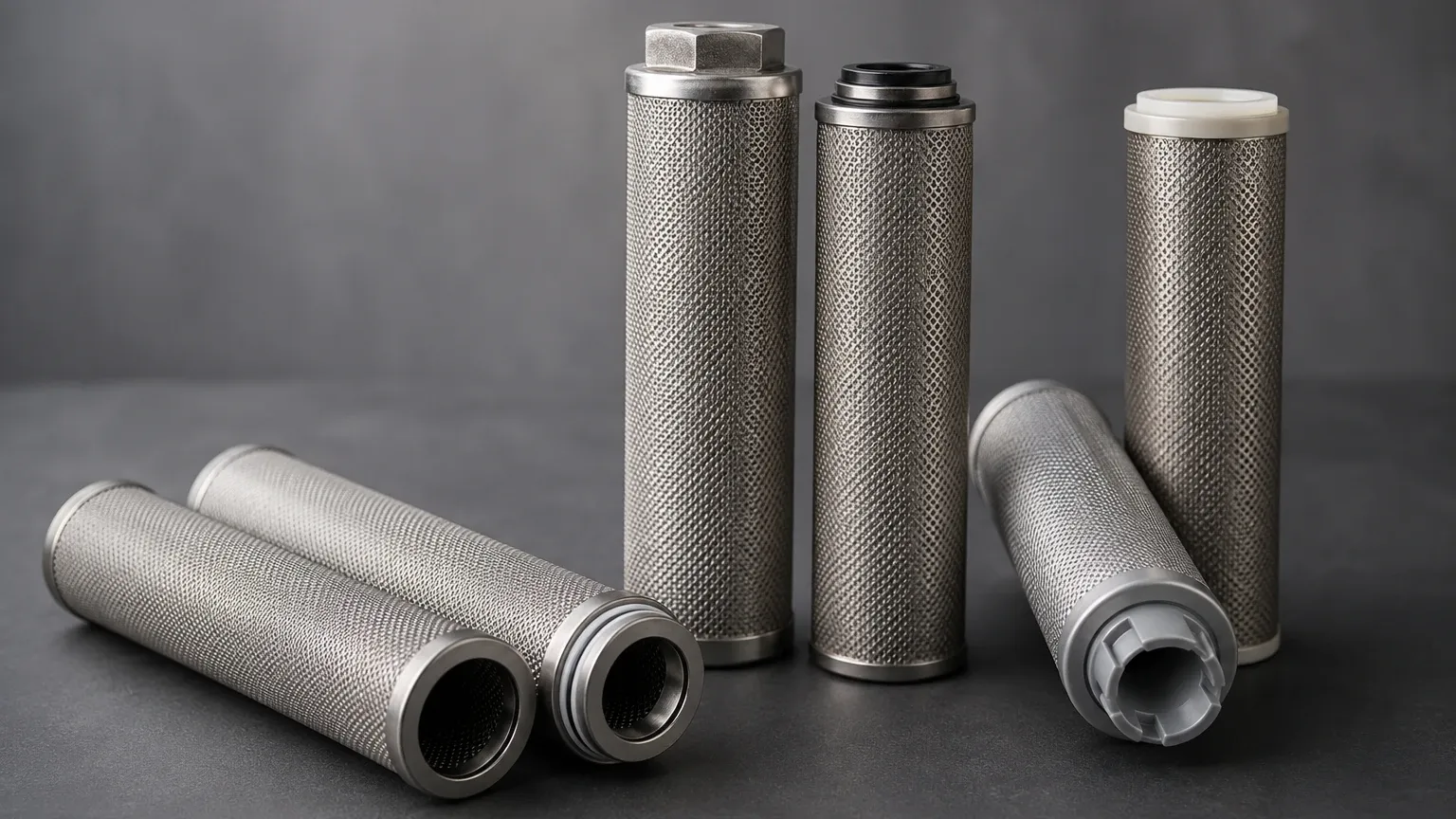
While standard plastic-housed cartridges are sufficient for most office environments, certain industrial applications require more robust solutions. Kaifil specializes in the manufacturing of stainless steel filtration components that offer superior durability in demanding environments.
In scenarios where water filter cartridges zip hydrotap systems are integrated into larger industrial processes—such as food production lines or pharmaceutical laboratories—the standard commercial filter may not meet the required structural or chemical resistance standards. Stainless steel filter cartridges provide several advantages in these contexts:
* Temperature Resistance: Stainless steel can withstand significantly higher temperatures than plastic housings, making it ideal for high-heat water loops.
* Chemical Compatibility: For water sources that may contain aggressive chemicals or require intensive CIP (Clean-In-Place) cycles, stainless steel is the material of choice for longevity and purity.
* Reusability: Unlike disposable carbon blocks, certain stainless steel wire mesh filters can be cleaned and reused, providing a sustainable and cost-effective solution for coarse sediment removal before the water reaches the precision dispensing unit.
Customization and OEM Solutions
For manufacturers of water dispensing equipment or large-scale facility operators, off-the-shelf filtration solutions may not always align with specific engineering requirements. Customization allows for the optimization of filter media density, housing dimensions, and connection types to fit proprietary system architectures.
When evaluating a supplier for industrial Filter Cartridges, it is important to confirm their capabilities in material selection and precision manufacturing. A manufacturer like Kaifil, with expertise in wire mesh and precision metal components, can assist in developing specialized filtration stages that address unique water chemistry challenges, such as high salinity or specific heavy metal concentrations that standard Zip-compatible filters might struggle to manage.
Selecting the Correct Filter: A Checklist for Procurement
To ensure the continued performance of Zip HydroTap systems, purchasing teams should verify the following technical details before procurement:
1. Micron Rating: Ensure the filter meets the sub-micron requirements (typically 0.2 to 0.5 micron) for cyst and sediment removal.
2. Capacity Rating: Check the total gallon or liter capacity. A higher capacity filter may have a higher upfront cost but lower long-term maintenance requirements.
3. Certification: Look for NSF/ANSI 42 (Aesthetic Effects) and 53 (Health Effects) certifications, which provide third-party validation of the filter’s performance claims.
4. Compatibility: Confirm the head-style compatibility. Zip systems often use proprietary or specific "twist-and-lock" mechanisms that require exact fitment to prevent bypass and leaks.
5. Scale Inhibition: Verify if the cartridge includes polyphosphate or similar technology if the installation area is known for hard water.
Conclusion
The efficiency of a Zip HydroTap system is only as good as the filtration protecting it. By focusing on the technical merits of water filter cartridges zip hydrotap—specifically micron precision, carbon block quality, and scale management—facility engineers can ensure a consistent supply of high-quality water while protecting the underlying mechanical investment. Whether utilizing standard commercial cartridges or integrating custom industrial-grade stainless steel components for more rigorous applications, a data-driven approach to filter selection is essential for optimal system performance.
