


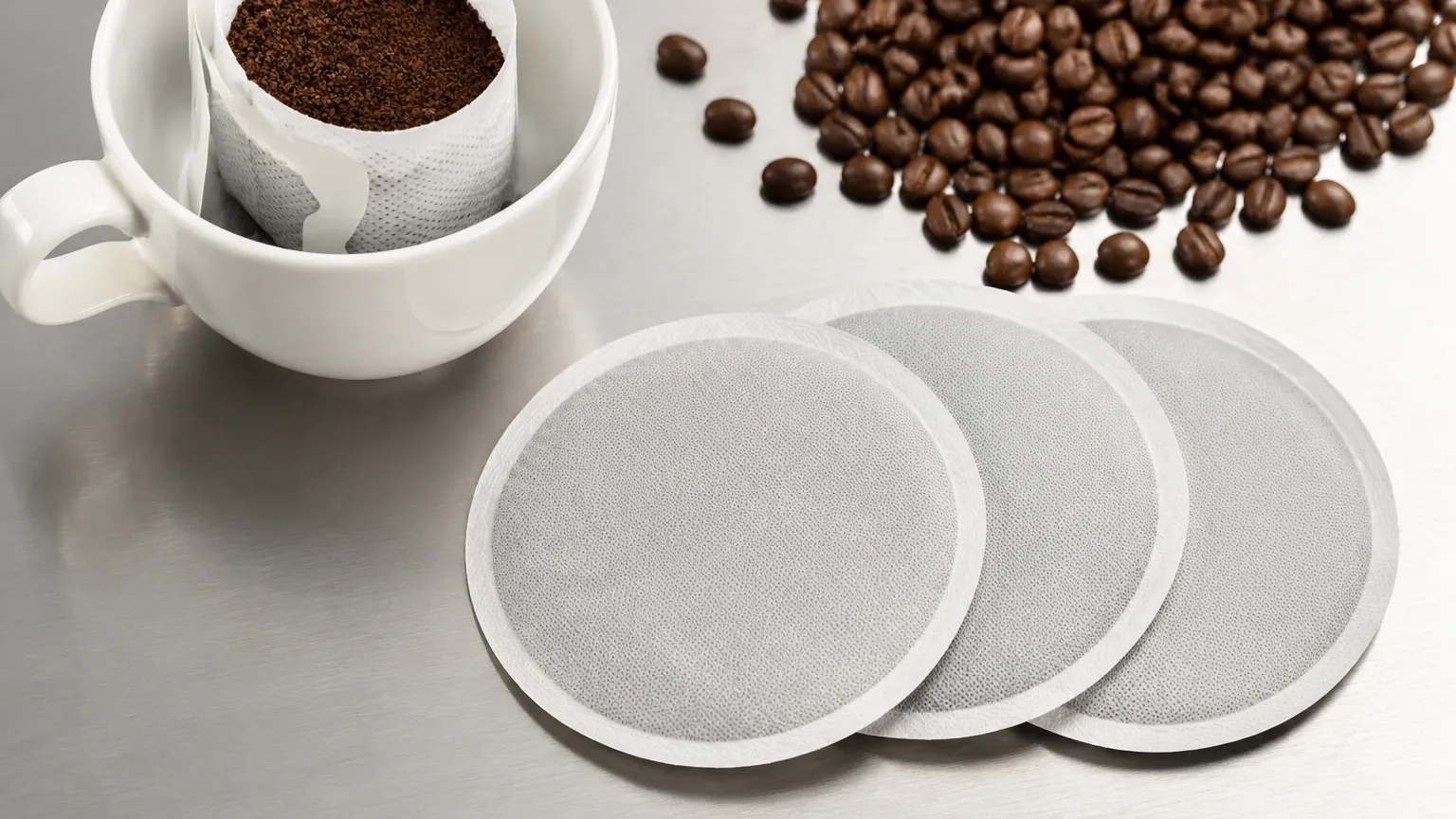
1 Cup Coffee Filter Packs
In the commercial beverage and food processing industries, the demand for precision, consistency, and durability has driven a significant shift from disposable filtration media to high-performance metal components. While the term "1 cup coffee filter packs" often brings to mind consumer-grade paper pouches, the industrial reality behind modern single-serve brewing systems, commercial espresso machines, and high-volume beverage dispensers relies on sophisticated engineering. For manufacturers and engineers, the focus is on the stainless steel Filter Discs & Packs that define the extraction quality, flow rate, and longevity of the brewing equipment.
Selecting the right filtration component requires an understanding of fluid dynamics, material science, and the specific mechanical stresses of the brewing process. This guide examines the technical considerations involved in the design and application of precision filter packs for single-cup and commercial beverage systems.
The Engineering Behind Precision Beverage Filtration
Filtration in coffee and beverage applications is not merely about separating solids from liquids; it is about controlled extraction. The geometry of the filter and the precision of the mesh openings determine the "TDS" (Total Dissolved Solids) and the mouthfeel of the final product. For industrial 1 cup coffee filter packs, stainless steel wire mesh is the preferred medium due to its ability to maintain exact pore sizes under pressure.
Micron Ratings and Sediment Control
In a single-cup brewing environment, the filter must allow essential oils and soluble compounds to pass through while blocking fine particulates (fines) that can lead to over-extraction or a gritty texture. Industrial filter discs are typically specified by their micron rating, ranging from 20 microns for fine espresso applications to 100+ microns for coarser brews. Unlike paper filters, which have irregular pore structures, woven wire mesh provides a predictable and uniform open area, ensuring that every cup brewed meets the same quality standard.
Flow Rate and Hydraulic Resistance
The resistance offered by the filter pack influences the pressure within the brewing chamber. In high-pressure systems, such as those found in commercial pod-based machines, the filter must withstand significant hydraulic force without deforming. Engineers must calculate the "pressure drop" across the filter media to ensure the pump system operates within its optimal range while achieving the desired contact time between the water and the coffee grounds.
Material Science: Why Stainless Steel Dominates
When designing components for 1 cup coffee filter packs, material selection is critical for both food safety and equipment durability. Kaifil utilizes high-grade stainless steel alloys to meet these demanding requirements.
Corrosion Resistance and Food Safety
Coffee is naturally acidic, with a pH typically ranging from 4.85 to 5.10. Over time, this acidity can cause lower-grade metals to corrode or leach metallic flavors into the beverage. Stainless steel 304 is the standard for many applications, offering excellent corrosion resistance and structural integrity. However, for high-end commercial equipment or environments where aggressive cleaning agents are used, Stainless Steel 316L is often specified. The addition of molybdenum in 316L provides superior resistance to chlorides and organic acids, ensuring the filter remains inert and hygienic throughout its service life.
Thermal Stability
Brewing processes involve rapid temperature fluctuations, often jumping from ambient temperatures to near-boiling within seconds. Metal filter discs and packs maintain their dimensional stability under thermal stress, unlike plastic or paper components that may warp or degrade. This stability ensures that the seal between the filter and the brewing chamber remains tight, preventing "bypass"—where water flows around the filter rather than through the coffee bed.
Construction Methods for Filter Discs & Packs
Industrial 1 cup coffee filter packs are rarely simple pieces of mesh. They are engineered assemblies designed for specific mechanical interfaces. The construction method chosen impacts the filter's strength and its ability to be cleaned.
Single-Layer vs. Multi-Layer Packs
* Single-Layer Discs: These are often used in low-pressure applications where cost-efficiency and slim profiles are required. They are precision-cut using laser or die-cutting techniques to ensure burr-free edges.
* Multi-Layer Sintered Packs: For high-pressure commercial systems, multiple layers of wire mesh are bonded together through a process called sintering. This involves diffusion-bonding the layers under high heat and pressure without the use of binders. The result is a monolithic structure that combines a fine filtration layer with coarser support layers, providing immense mechanical strength and high permeability.
Edge Treatments and Framing
To ensure a secure fit within the brewing assembly, filter discs may feature various edge treatments. Rimmed discs utilize a metal U-binding or a spot-welded frame to encase the mesh edges. This prevents fraying, protects the mesh during installation, and provides a flat sealing surface for gaskets. In automated 1 cup coffee filter packs production lines, the precision of these outer diameters is vital for the reliability of the pick-and-place robotics used in assembly.
Performance Metrics in Industrial Applications
Engineers evaluating Filter Discs & Packs for beverage equipment must look beyond the initial purchase price and focus on performance metrics that impact the total cost of ownership (TCO).
1. Effective Filtration Area (EFA): The total surface area available for liquid to pass through. A higher EFA reduces the velocity of the fluid through the mesh, which can decrease the rate of clogging and extend the time between cleaning cycles.
2. Mechanical Fatigue Life: In machines that utilize mechanical tamping or high-pressure pulses, the filter is subjected to repetitive stress. High-quality stainless steel packs are designed to withstand thousands of cycles without fatigue cracking.
3. Cleanability: Reusable metal filters must be easily restored to their original flow characteristics. The smooth surface of stainless steel wires prevents oils and fines from adhering as strongly as they do to synthetic fibers, making them compatible with ultrasonic cleaning or backwashing protocols.
Customization for OEM Manufacturers
No two brewing systems are identical. The requirements for a high-speed vending machine differ vastly from a precision laboratory extraction tool. Customization is at the core of industrial filtration solutions. When sourcing components for 1 cup coffee filter packs, purchasing teams should confirm the following customization capabilities with their manufacturer:
* Mesh Weave Patterns: Different weaves, such as Plain, Twill, or Dutch Weave, offer different balances of strength and filtration fineness. For example, a Plain Dutch Weave provides a very fine pore size with high mechanical strength, ideal for espresso-type extractions.
* Shape and Geometry: While circular discs are most common, custom shapes—including oval, rectangular, or even 3D-formed conical filters—are often required to fit proprietary brewing chamber designs.
* Spot Welding and Assembly: For complex filter packs, components may need to be spot-welded or integrated with plastic over-molding. Ensuring the manufacturer can handle these secondary operations reduces supply chain complexity.
Maintenance and Replacement Cycles
In a commercial environment, the reliability of 1 cup coffee filter packs directly affects downtime and customer satisfaction. While stainless steel filters are exceptionally durable, they are not infinite. Over time, "blinding" can occur—a condition where microscopic particulates become permanently lodged within the mesh pores.
Monitoring Performance
A drop in flow rate or an increase in the pressure required to complete a brew cycle are the primary indicators that a filter pack requires deep cleaning or replacement. In automated systems, sensors monitoring the pump's power consumption or flow meters can provide data-driven alerts for maintenance.
Replacement Strategy
For many high-volume beverage providers, a scheduled replacement cycle is more cost-effective than waiting for a failure. By establishing a baseline for filter life based on the volume of coffee processed, facilities can ensure consistent beverage quality and prevent unexpected equipment strain. When selecting a supplier for Filter Discs & Packs, it is essential to partner with a manufacturer like Kaifil that can provide consistent quality across large production batches, ensuring that replacement parts perform identically to the original components.
Conclusion: Selecting the Right Filtration Partner
The transition from simple 1 cup coffee filter packs to high-performance industrial filtration components is a necessity for modern beverage equipment manufacturers. The precision of the wire mesh, the integrity of the material, and the quality of the assembly process all play a pivotal role in the success of the final product.
By focusing on technical specifications such as micron ratings, material grades, and sintered structures, engineers can design systems that offer superior extraction and long-term reliability. As a professional manufacturer, Kaifil provides the expertise and manufacturing capabilities required to develop customized stainless steel filtration solutions that meet the rigorous demands of the food and beverage industry. Whether you are developing a new single-serve brewing platform or optimizing an existing commercial dispenser, choosing the right filter disc is the first step toward achieving consistent, high-quality results.
