


Disc Filter 1.25 Inch
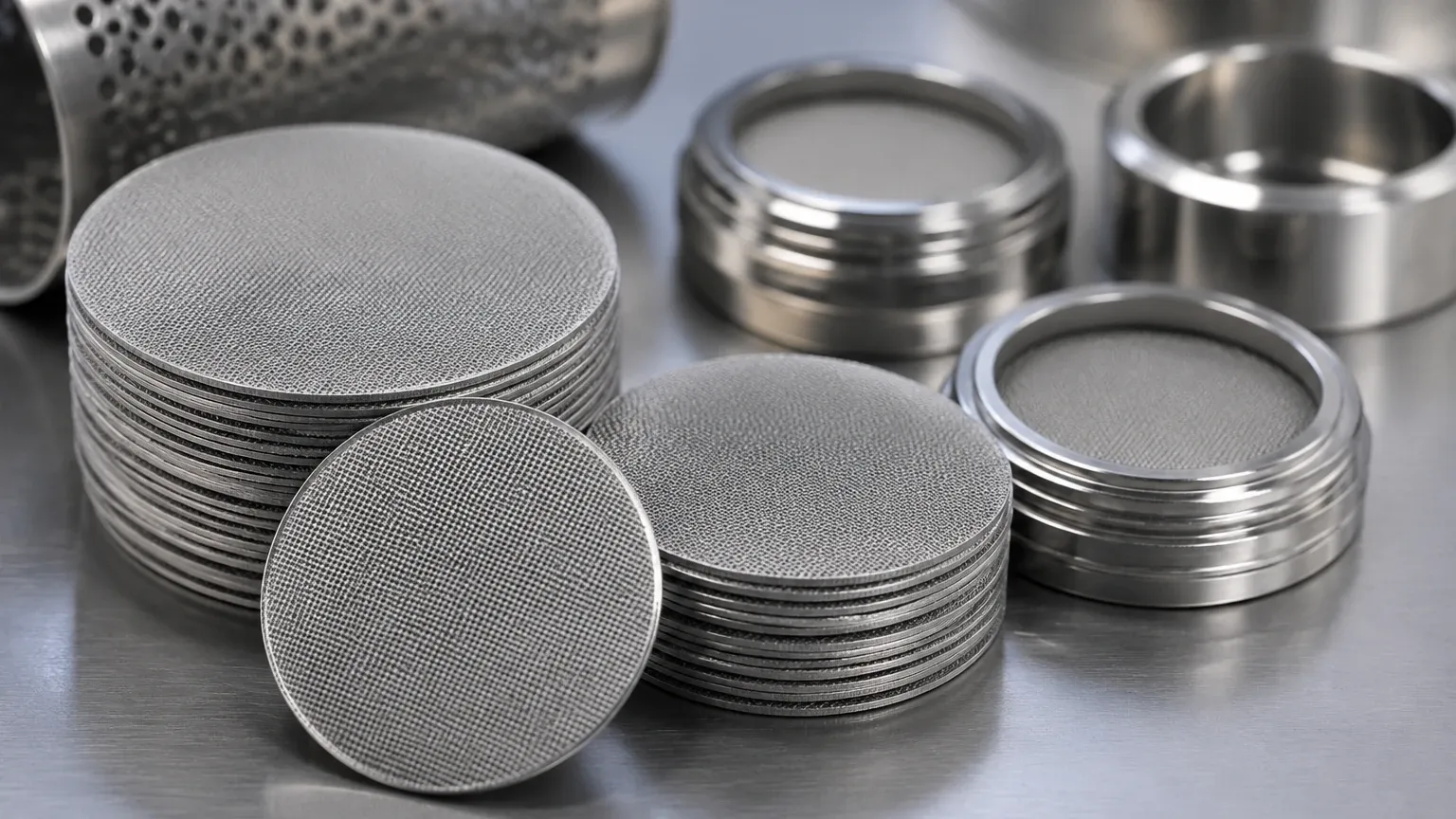
In industrial filtration, precision is not merely a preference but a functional requirement. The 1.25-inch disc filter represents a standardized yet highly versatile component used across various high-pressure and high-precision systems. Whether utilized in polymer extrusion, hydraulic manifolds, or pharmaceutical processing, the performance of a disc filter 1.25 inch depends heavily on its material composition, weave structure, and mechanical integrity. For engineers and procurement specialists, selecting the right Filter Discs & Packs involves a deep understanding of how these small components interact with complex fluid dynamics and harsh environmental conditions.
Understanding the Technical Specifications of 1.25-Inch Filter Discs
A 1.25-inch diameter is a frequent specification in systems where space is constrained but filtration efficiency cannot be compromised. This size is often found in valve assemblies, small-scale chemical reactors, and specialized laboratory equipment. When specifying a disc filter of this size, the primary focus is on the effective filtration area (EFA) and the structural stability of the disc under differential pressure.
Most industrial disc filters are manufactured from stainless steel wire mesh. The mesh is woven to specific patterns to achieve desired micron ratings. In a 1.25-inch format, the tolerances are typically very tight—often within +/- 0.005 inches—to ensure a proper seat within the filter housing. A poor fit can lead to fluid bypass, where unfiltered material escapes around the edges of the disc, potentially damaging downstream components like high-pressure pumps or sensitive sensors.
Material Selection for Industrial Filtration Environments
The choice of material is the first critical decision in the engineering process. While various alloys are available, stainless steel remains the industry standard due to its mechanical strength and chemical resistance.
Stainless Steel 304 vs. 316L
For many general industrial applications, Grade 304 stainless steel provides sufficient corrosion resistance and durability. However, in environments involving chlorides, acids, or high-purity requirements (such as in the pharmaceutical or food and beverage sectors), Grade 316L is preferred. The addition of molybdenum in 316L enhances its resistance to pitting and crevice corrosion. Furthermore, the "L" (low carbon) designation ensures that the material is less susceptible to sensitization during welding processes, which is vital if the 1.25-inch discs are spot-welded into multi-layer packs.
Specialized Alloys
In extreme cases involving highly corrosive chemicals or temperatures exceeding 500°C, engineers may opt for exotic alloys like Hastelloy, Inconel, or Monel. While these materials increase the total cost of ownership, they are essential for preventing premature failure in aggressive chemical processing environments where a standard stainless steel disc filter 1.25 inch would degrade rapidly.
Structural Design: Single-Layer vs. Multi-Layer Filter Packs
The complexity of a filter disc often depends on the nature of the contaminants and the operating pressure of the system.
Single-Layer Discs
Single-layer discs are typically used for coarse filtration or as a primary screen to catch large particulates. They offer the lowest pressure drop and are the easiest to clean. However, they lack the depth required for fine filtration and may deform under high-pressure surges if the wire diameter is too thin.
Multi-Layer Filter Packs
To achieve finer filtration while maintaining structural integrity, multi-layer Filter Discs & Packs are employed. A typical 1.25-inch pack might consist of:
1. A Filtration Layer: The middle layer with the specific micron rating required for the process.
2. Support Layers: Coarser mesh layers on either side of the filtration layer that provide mechanical strength and prevent the fine mesh from collapsing under pressure.
3. Drainage Layers: In some high-viscosity applications, additional layers are added to facilitate the flow of fluid away from the filtration interface.
These layers are often bonded together through spot welding or by using a metal rim (binding). Rimming is particularly effective for the 1.25-inch size, as it provides a smooth, compressed edge that simplifies installation and ensures a leak-proof seal within the housing.
Performance Metrics: Micron Ratings and Flow Dynamics
When evaluating a disc filter 1.25 inch, engineers must distinguish between nominal and absolute micron ratings. A nominal rating indicates the ability of the filter to retain a majority of particles of a certain size, whereas an absolute rating (often determined through bubble point testing) signifies the diameter of the largest hard spherical particle that will pass through the filter under specified test conditions.
Weave Types and Their Impact
* Plain Weave: The most common and economical weave, offering a straight-through flow path. It is ideal for high-flow, low-pressure applications.
* Dutch Weave: This weave uses larger diameter wires in the warp and smaller wires in the shute, creating a "tortuous path" for the fluid. This is the preferred choice for fine filtration (down to 5-10 microns) because it provides superior strength and better particle retention.
* Twill Weave: Used when heavier wires are required for a given mesh count, providing increased durability for high-pressure 1.25-inch applications.
Pressure Drop (ΔP)
The pressure drop across a 1.25-inch disc is a function of the fluid viscosity, flow rate, and the open area of the mesh. As the filter accumulates debris, the ΔP increases. In precision systems, monitoring this pressure differential is critical to determining the optimal replacement cycle.
Industrial Applications for 1.25-Inch Disc Filters
Because of its specific size and the robustness of stainless steel construction, the disc filter 1.25 inch is utilized in several demanding sectors:
Polymer and Plastic Extrusion
In the production of thin films or fibers, even microscopic impurities can cause "slugs" or breaks in the product. 1.25-inch filter packs are often used in "screen changers" to remove degraded polymer or foreign particles from the melt before it reaches the die.
Hydraulic and Lubrication Systems
High-pressure hydraulic systems rely on clean oil to prevent wear on precision-machined valves and actuators. A 1.25-inch disc is often integrated into the manifold or inline filter housing to provide a final stage of protection against metallic wear particles.
Chemical and Petrochemical Processing
In catalyst recovery or chemical synthesis, small-diameter discs are used in sampling lines and pilot plants. The ability of stainless steel to withstand aggressive solvents and high temperatures makes it the ideal material for these critical checkpoints.
Procurement and Customization: Key Questions for Engineers
When sourcing Filter Discs & Packs, procurement teams should work closely with manufacturers to define exact requirements. Standard catalog items may not always meet the nuances of a specific industrial application. Key considerations include:
* What is the exact fluid chemistry? This determines if 304, 316L, or a specialty alloy is required.
* What is the maximum operating pressure and temperature? This dictates whether a single-layer disc is sufficient or if a reinforced multi-layer pack is necessary.
* Is the filter intended to be disposable or reusable? While stainless steel discs are cleanable, the cost of labor and ultrasonic cleaning equipment must be weighed against the cost of replacement.
* What are the edge requirements? Should the disc be unrimmed (raw edge), spot-welded, or bound with an aluminum or stainless steel rim for better sealing?
By addressing these questions during the design phase, companies can avoid costly downtime caused by filter failure or inefficient filtration performance.
Maintenance and Total Cost of Ownership (TCO)
The initial purchase price of a disc filter 1.25 inch is only one component of the total cost of ownership. For long-term operational efficiency, maintenance strategies must be considered. Stainless steel mesh filters are prized for their ability to be cleaned and reused, unlike polymer or paper-based depth filters.
Cleaning Methods
1. Ultrasonic Cleaning: The most effective method for removing fine particles trapped within the weave of a Dutch weave disc. High-frequency sound waves create cavitation bubbles that dislodge contaminants without damaging the delicate wires.
2. Backwashing: In some automated systems, the flow is periodically reversed to flush particles off the surface of the disc.
3. Chemical Cleaning: Using compatible solvents or acids to dissolve organic or mineral deposits that have adhered to the mesh.
Replacement Cycles
Despite their cleanability, all metal filters eventually reach a point of "permanent fouling" where the baseline pressure drop remains high even after cleaning. Establishing a clear replacement protocol based on ΔP triggers ensures that the system operates within its engineered parameters and prevents the risk of mesh fatigue or breakthrough.
In conclusion, the disc filter 1.25 inch is a critical component in the maintenance of industrial fluid purity. By selecting high-quality materials, appropriate weave structures, and robust pack designs, engineers can ensure reliable performance in even the most demanding environments. Partnering with a manufacturer that understands these technical nuances is essential for optimizing filtration efficiency and reducing long-term operational costs.
