


Disc Filter 50mm
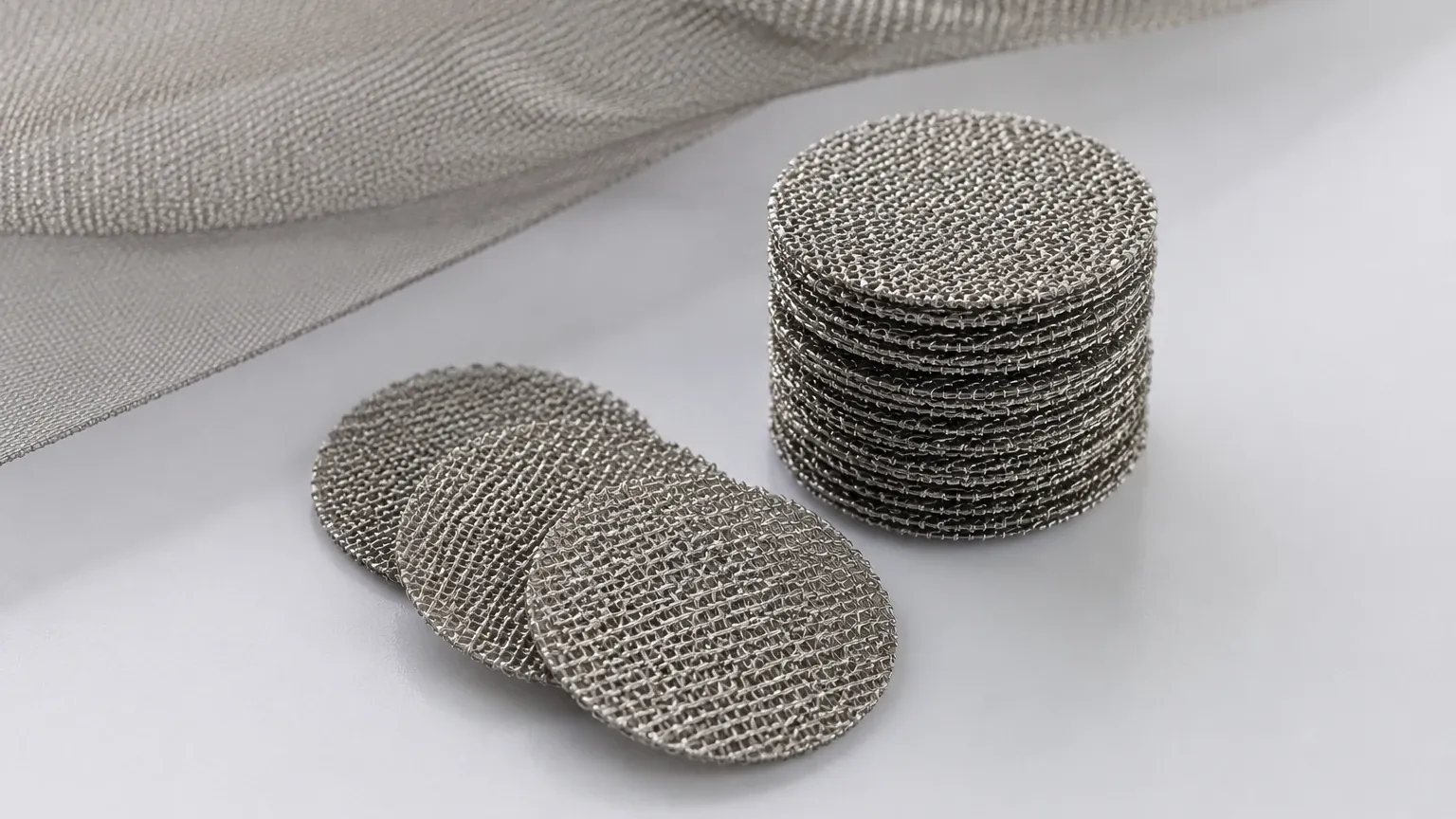
In the landscape of industrial filtration, precision and reliability are the primary drivers of operational efficiency. The disc filter 50mm is a standardized yet highly versatile component used extensively across the chemical processing, polymer extrusion, and pharmaceutical industries. While the diameter may seem specific, the engineering behind these components involves complex decisions regarding material science, mesh geometry, and structural integrity. For engineers and procurement specialists, understanding the nuances of these filters is essential for optimizing system performance and minimizing downtime.
As a critical element in many filtration assemblies, the 50mm disc serves as a primary barrier against contaminants. Whether used as a single-layer screen or as part of a sophisticated multi-layer configuration, the performance of these discs directly impacts the purity of the final product and the protection of downstream equipment. This guide provides a technical overview of the specifications, applications, and selection criteria for high-quality Filter Discs & Packs.
Material Engineering and Chemical Compatibility
The choice of material for a disc filter 50mm is the first and most critical decision in the design process. Because these filters often operate in demanding environments—characterized by high temperatures, corrosive fluids, and extreme pressures—the alloy must be selected based on its mechanical and chemical properties.
Stainless Steel 304 and 316L
Stainless steel is the industry standard for most industrial filtration applications. Grade 304 is widely used for general-purpose filtration where basic corrosion resistance and high strength are required. However, for more aggressive environments, such as those found in chemical processing or marine applications, Grade 316L is preferred. The addition of molybdenum in 316L provides superior resistance to pitting and crevice corrosion, particularly in chloride-rich environments. Furthermore, the "L" designation indicates low carbon content, which minimizes carbide precipitation during welding, ensuring the structural integrity of the mesh in multi-layer packs.
Specialty Alloys
In niche applications involving extreme temperatures or highly acidic/alkaline media, specialty alloys like Monel, Inconel, or Hastelloy may be utilized. These materials offer exceptional resistance to thermal expansion and chemical degradation that would otherwise compromise standard stainless steel. For a 50mm disc, the precision of the wire drawing and weaving in these specialty alloys is paramount to maintaining consistent micron ratings.
Mesh Configurations and Filtration Ratings
The filtration performance of a disc filter 50mm is defined by its mesh structure. The weaving pattern determines not only the micron rating but also the flow characteristics and mechanical strength of the disc.
Plain Weave and Twill Weave
Plain weave is the most common configuration, where each warp wire crosses over and under each shute wire. This provides a stable structure with precise openings. Twill weave, where wires cross over two and under two, allows for the use of heavier wires in a given mesh count, providing greater strength for finer filtration tasks. These are typically used for surface filtration where easy cleaning and backwashing are required.
Dutch Weave (Plain and Twill)
Dutch weave patterns utilize different diameters for warp and shute wires. This results in a much tighter, more compact mesh that offers superior strength and fine filtration capabilities. Plain Dutch weave provides high flow rates with relatively low pressure drops, while Twill Dutch weave allows for the finest filtration ratings, often reaching down to 5 microns or less. For 50mm discs used in hydraulic systems or high-pressure polymer melt filtration, Dutch weave configurations are often the preferred choice due to their ability to withstand high differential pressures.
Micron Rating and Effective Filtration Area
The micron rating of a 50mm disc must be balanced against the required flow rate. A finer mesh provides better particle retention but increases resistance to flow. Engineers must also account for the effective filtration area (EFA). In a 50mm disc, the outer edge is often occupied by a rim or binding, which reduces the active area. Calculating the EFA is crucial for determining the total capacity of the filtration system.
Multi-Layer Pack Construction
While a single-layer disc filter 50mm may suffice for basic straining, many industrial processes require the enhanced performance of multi-layer packs. These packs are engineered to provide a combination of fine filtration, high dirt-holding capacity, and structural rigidity.
Layer Sequencing
A typical multi-layer pack consists of a fine filtration layer sandwiched between coarser support and drainage layers. The coarse layers protect the delicate fine mesh from mechanical damage caused by high pressure and provide a pathway for the filtrate to flow efficiently. For example, a 5-layer pack might include a 20-mesh support layer, a 100-mesh drainage layer, and a 325-mesh filtration layer. This graduated structure ensures that larger particles are trapped by the outer layers, preventing the fine mesh from premature blinding.
Bonding Techniques: Spot Welding vs. Rimmed Edges
To maintain the integrity of the pack, the layers must be securely joined. Spot welding is a cost-effective method for keeping layers aligned during installation. However, for applications requiring a leak-proof seal or enhanced durability, rimmed edges (also known as bound edges) are used. The rim, typically made of aluminum, stainless steel, or copper, is compressed around the circumference of the 50mm disc. This not only prevents the fraying of wire ends but also provides a flat, stable surface for gaskets and seals within the filter housing.
Sintered Filter Discs
For the most demanding applications, the layers of a disc filter 50mm can be sintered together. Sintering is a process where the mesh layers are heated in a vacuum furnace until the contact points of the wires fuse together. This creates a monolithic structure that is incredibly strong, permanent, and resistant to delamination. Sintered discs maintain their pore geometry even under extreme pressure fluctuations, making them ideal for high-viscosity fluids and critical pharmaceutical processes.
Engineering Considerations: Flow and Pressure
When integrating a disc filter 50mm into a system, engineers must evaluate the relationship between flow velocity and pressure drop ($ΔP$). A high initial pressure drop indicates that the filter may be undersized or the mesh too fine for the application, leading to shortened service life and increased energy consumption.
Permeability and Dirt-Holding Capacity
Permeability is a measure of how easily a fluid passes through the filter medium. In a 50mm disc, maximizing permeability while maintaining the target micron rating is the goal. Dirt-holding capacity refers to the amount of contaminant the disc can retain before the pressure drop reaches a critical limit. Multi-layer packs significantly improve dirt-holding capacity compared to single-layer discs by utilizing the depth of the combined mesh layers.
Mechanical Stability
At a 50mm diameter, the disc must resist deformation under the force of the fluid flow. If the mesh bows or stretches, the pore sizes can change, allowing larger particles to pass through. This is why support layers and sintering are so vital in high-pressure environments. The mechanical stability of the disc ensures that the filtration accuracy remains constant throughout the entire filtration cycle.
Industrial Applications of 50mm Discs
The disc filter 50mm is a staple in various sectors due to its standardized size and high performance. Some of the most common applications include:
* Polymer and Plastic Extrusion: These discs are used in screen changers to remove impurities from molten plastic. The 50mm size is common in lab-scale extruders and small-batch production lines where high-pressure resistance is mandatory.
* Chemical Processing: Used for the filtration of catalysts, solvents, and corrosive chemicals. The choice of 316L or specialty alloys ensures longevity in these harsh environments.
* Pharmaceutical and Biotech: In these industries, the 50mm disc is often used in laboratory testing and pilot plants for the purification of active pharmaceutical ingredients (APIs). The ability to sterilize stainless steel discs via autoclaving or SIP (Steam-In-Place) is a major advantage.
* Hydraulic and Lubrication Systems: Precision 50mm discs protect sensitive valves and pumps from particulate contamination, ensuring the smooth operation of industrial machinery.
* Food and Beverage: Used for the filtration of oils, syrups, and beverages where hygienic design and ease of cleaning are paramount.
Customization and Procurement Guidance
Selecting the right disc filter 50mm requires a detailed understanding of the operating parameters. When sourcing these components, engineers should provide the following specifications to ensure the product meets application requirements:
1. Exact Dimensions: While 50mm is the nominal size, the actual outer diameter (OD) and thickness must be specified with precise tolerances (e.g., +/- 0.1mm).
2. Mesh Count and Micron Rating: Define the required level of filtration and the mesh count for each layer in a pack.
3. Material Grade: Specify SS304, SS316L, or other alloys based on chemical compatibility.
4. Construction Type: Indicate whether the disc should be single-layer, multi-layer, spot-welded, rimmed, or sintered.
5. Operating Conditions: Provide information on the maximum operating temperature, pressure, and the nature of the fluid being filtered.
Working with a manufacturer that offers OEM and customized filtration solutions allows for the development of discs tailored to specific housing designs and performance targets. Customization can include unique shapes (if not perfectly circular), specialized rim materials, or proprietary layer configurations optimized for specific viscosities.
Maintenance and Total Cost of Ownership
The total cost of ownership (TCO) for a disc filter 50mm involves more than just the initial purchase price. It includes the cost of replacement, cleaning, and the impact of the filter on system energy efficiency. Stainless steel filters are often preferred over disposable alternatives because they are cleanable and reusable.
Cleaning Methods
Depending on the contaminant, 50mm discs can be cleaned using several methods:
* Ultrasonic Cleaning: High-frequency sound waves create cavitation bubbles that dislodge particles from deep within the mesh.
* Chemical Cleaning: Soaking the discs in compatible solvents or acids to dissolve organic or inorganic deposits.
* Backwashing: Reversing the flow of fluid through the filter to push contaminants out of the mesh.
* Burn-off/Pyrolysis: For polymer applications, heating the discs in a controlled environment to carbonize and remove plastic residues.
Replacement Indicators
A disc should be replaced when it can no longer be cleaned to its original baseline pressure drop or if there is any sign of mechanical damage, such as broken wires or a compromised rim. Regular inspection and a documented maintenance schedule are essential for preventing catastrophic filter failure.
Conclusion
The disc filter 50mm is a fundamental component that bridges the gap between precision engineering and industrial utility. By carefully selecting materials, mesh configurations, and construction methods, engineers can ensure that their filtration systems operate at peak efficiency. Whether the application involves the delicate purification of pharmaceuticals or the high-pressure extrusion of polymers, the quality of the Filter Discs & Packs used will determine the success of the process. Investing in high-quality, technically sound filtration components is not just a procurement decision; it is a commitment to product quality and operational reliability.
