


Disc Filter 50 Micron
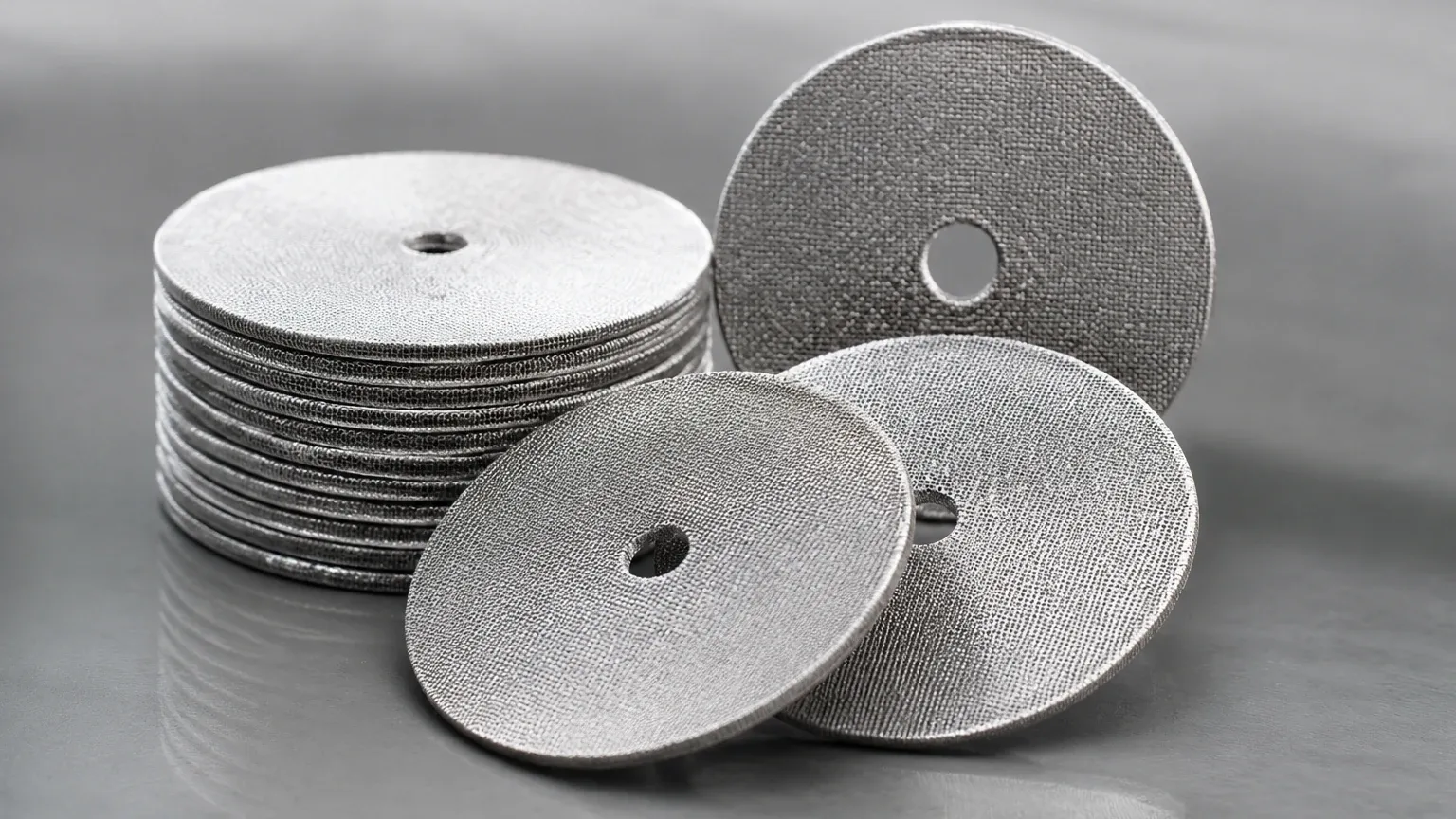
In industrial filtration, the precision of a 50-micron rating represents a critical threshold for many liquid and gas processing applications. A disc filter 50 micron—typically constructed from high-grade stainless steel wire mesh—serves as a primary defense against fine particulates that can compromise downstream equipment, contaminate final products, or degrade the efficiency of hydraulic systems. For engineers and procurement specialists, understanding the technical nuances of these components is essential for optimizing filtration performance and ensuring long-term operational reliability.
Industrial Filter Discs & Packs are engineered to provide specific pore sizes and mechanical strength. When specifying a 50-micron filter, the focus shifts from general debris removal to precision separation, requiring a deep dive into material properties, weave types, and structural configurations.
Technical Specifications of 50 Micron Filtration
A micron (micrometer) is one-millionth of a meter. To put a 50-micron rating into perspective, a human hair is approximately 70 microns in diameter. Achieving a consistent 50-micron aperture in a metal filter requires sophisticated weaving techniques.
Mesh Count and Weave Types
For stainless steel wire mesh, the relationship between mesh count (the number of wires per linear inch) and the micron rating is governed by the wire diameter. To achieve a 50-micron opening, manufacturers typically utilize two primary weave styles:
1. Plain Weave: In a plain weave, each warp wire crosses alternately over and under each shute wire. A 300-mesh plain weave using a wire diameter of approximately 0.035mm results in an aperture of roughly 50 microns. This configuration offers high transparency and low pressure drop but may lack the mechanical strength required for high-pressure environments.
2. Dutch Weave (Plain or Twilled): Dutch weaves utilize different wire diameters for the warp and shute. This creates a more dense, "tortuous path" for the fluid. A Dutch weave disc filter 50 micron provides superior strength and is often preferred for applications involving high differential pressures or where backwashing is required.
Nominal vs. Absolute Ratings
It is vital for engineers to distinguish between nominal and absolute ratings. A nominal 50-micron rating implies that the filter will retain a high percentage (usually 60% to 90%) of particles of that size. An absolute rating, however, indicates that 99.9% of particles larger than 50 microns will be captured. In critical pharmaceutical or chemical processes, absolute-rated Filter Discs & Packs are often mandatory to ensure process integrity.
Material Selection and Chemical Compatibility
The performance of a disc filter 50 micron is heavily dependent on the alloy used in its construction. Stainless steel is the industry standard due to its balance of cost, durability, and resistance to environmental stressors.
* Stainless Steel 304: The most common grade, providing excellent corrosion resistance for water treatment, food processing, and general industrial use. It is suitable for most non-acidic environments.
* Stainless Steel 316L: Containing molybdenum, 316L offers superior resistance to chlorides and acids. It is the preferred choice for marine environments, chemical processing, and pharmaceutical applications where sanitation and resistance to pitting are paramount.
* Specialty Alloys: For extreme conditions involving high temperatures (above 500°C) or highly corrosive chemicals, alloys such as Hastelloy, Inconel, or Monel may be used to manufacture custom filter discs.
Selecting the correct material ensures that the filter does not succumb to chemical erosion or mechanical fatigue, which could lead to "media migration"—where fragments of the filter itself enter the process stream.
Engineering Considerations for Filter Discs & Packs
When integrating a disc filter 50 micron into a system, engineers must evaluate the mechanical design of the filter assembly. Single-layer discs are often insufficient for heavy-duty industrial tasks, leading to the development of multi-layer packs.
Multi-Layer Construction
Filter packs often combine several layers of wire mesh to achieve specific performance goals. A typical 50-micron pack might include:
* The Filtration Layer: The 50-micron mesh that performs the actual separation.
* Support Layers: Coarser mesh layers (e.g., 20 mesh or 40 mesh) placed on either side of the filtration layer to provide rigidity and prevent the fine mesh from deforming under pressure.
* Drainage Layers: Layers designed to facilitate the even distribution of fluid across the entire surface area of the disc.
These layers can be spot-welded together or bound with a metal rim (aluminum, stainless steel, or copper) to form a cohesive unit. Rimming is particularly important for preventing bypass—where fluid escapes around the edges of the filter rather than passing through it.
Pressure Drop (Delta P)
The pressure drop across a filter is a function of the fluid’s viscosity, flow velocity, and the filter’s open area. A disc filter 50 micron with a high mesh count naturally has less open area than a coarser filter. Engineers must calculate the initial clean pressure drop and the terminal pressure drop (the point at which the filter must be cleaned or replaced) to ensure the pump system is adequately sized.
Applications in Demanding Industrial Environments
The versatility of 50-micron filtration makes it suitable for a wide array of sectors. Because stainless steel is non-toxic and easy to sterilize, these filters are ubiquitous in regulated industries.
Chemical and Petrochemical Processing
In chemical manufacturing, Filter Discs & Packs are used to recover expensive catalysts or to remove impurities from intermediate products. The 50-micron threshold is often used for the final filtration of resins, polymers, and specialty chemicals before packaging.
Food and Beverage Production
Stainless steel filters are essential for maintaining food safety standards. A disc filter 50 micron can be used to clarify syrups, juices, and oils. The ability to withstand high-temperature steam cleaning (SIP) and clean-in-place (CIP) cycles makes metal discs superior to disposable polymer filters in these settings.
Hydraulic and Lubrication Systems
Precision hydraulic valves are extremely sensitive to particulate contamination. A 50-micron filter acts as a reliable barrier against metal shavings, seal fragments, and environmental dust that could cause valve sticking or accelerated wear on pumps.
Water Treatment and Desalination
In water treatment, these discs serve as pre-filters for more delicate membranes, such as those used in Reverse Osmosis (RO). By removing 50-micron and larger particles, the lifespan of the expensive downstream membranes is significantly extended.
Selection Criteria and Procurement Checklist
Choosing the right disc filter 50 micron involves more than just selecting a micron rating. Purchasing teams and engineers should confirm the following details with the manufacturer to ensure the product meets the application requirements:
1. Dimensions and Tolerances: Confirm the exact outer diameter (OD) and inner diameter (ID) if the disc is annular. Tight tolerances are necessary for a proper seal within the filter housing.
2. Operating Temperature: Ensure the mesh and the binding material (if any) can withstand the maximum process temperature.
3. Differential Pressure Limits: What is the maximum pressure the disc can withstand before it collapses or the mesh distorts?
4. Flow Rate Requirements: Provide the manufacturer with the fluid type, viscosity, and desired flow rate to verify that the disc surface area is sufficient.
5. Customization Options: Does the application require a specific rim material, a sintered multi-layer structure for extra strength, or a specific shape (oval, rectangular, or pleated)?
By addressing these factors during the design phase, companies can avoid costly downtime and frequent filter failures.
Maintenance, Cleaning, and Service Life
One of the primary advantages of stainless steel Filter Discs & Packs over disposable alternatives is their cleanability. A disc filter 50 micron can often be restored to near-original performance through several methods:
* Ultrasonic Cleaning: High-frequency sound waves create cavitation bubbles that dislodge deeply embedded particles within the mesh pores. This is the most effective method for fine micron filters.
* Backwashing: Reversing the flow of the fluid can flush out surface-level contaminants. This is common in automated systems.
* Chemical Cleaning: Using specific solvents or acids to dissolve organic or mineral buildup, provided the chemical is compatible with the stainless steel grade.
Determining Replacement Cycles
While metal filters are durable, they are not infinite. Over time, repeated cleaning and pressure cycles can lead to work hardening of the wire or residual clogging that cannot be removed. Monitoring the pressure drop is the most reliable way to determine when a disc has reached the end of its service life. If the pressure drop remains high even after a thorough cleaning, the disc should be replaced to prevent pump strain and potential media failure.
Conclusion
The disc filter 50 micron is a cornerstone of industrial precision filtration. Whether used as a single-layer screen or integrated into complex multi-layer packs, its ability to provide consistent particulate separation in harsh environments is unmatched by most synthetic materials. By focusing on material integrity, weave precision, and structural engineering, manufacturers like Kaifil provide the reliable components necessary for modern industrial efficiency. When selecting filtration solutions, engineers must weigh the initial cost against the total cost of ownership, where the durability and cleanability of stainless steel often provide the greatest long-term value.
