


Filters Package
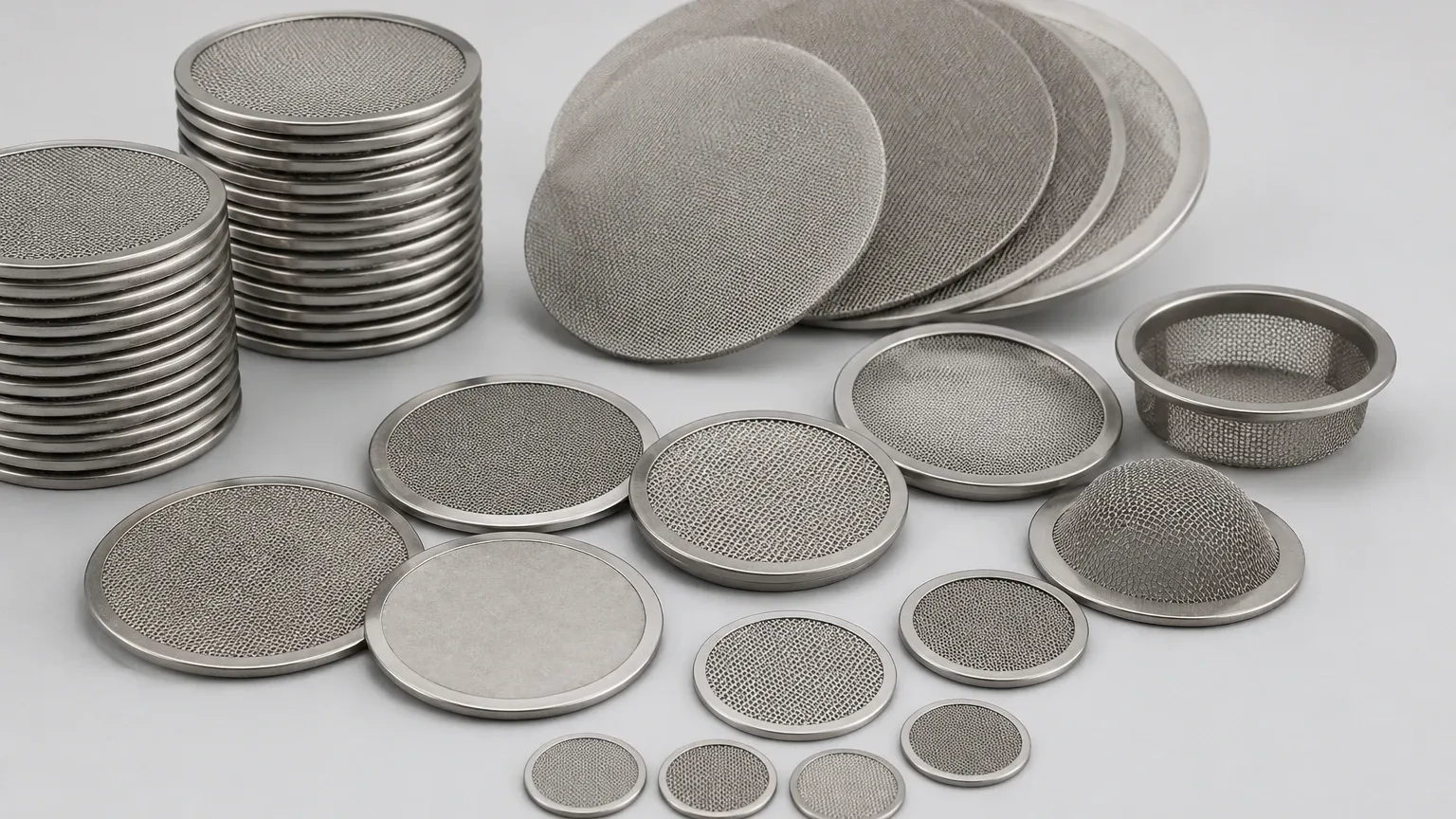
In high-pressure industrial environments, particularly in polymer extrusion, chemical processing, and fiber production, the term "filters package" refers to a critical assembly of wire mesh screens designed to remove impurities from high-viscosity fluids. These assemblies, often categorized under Filter Discs & Packs, are engineered to withstand extreme mechanical stress while maintaining precise filtration ratings. Understanding the technical nuances of these components is essential for engineers and purchasing teams who must balance filtration efficiency with operational longevity.
A filters package is rarely a single piece of wire cloth. Instead, it is a sophisticated multilayered system where each layer serves a specific structural or functional purpose. From providing the primary filtration barrier to offering mechanical support against high differential pressures, the design of these packs directly impacts the quality of the final product and the protection of downstream equipment.
The Engineering Behind a Filters Package
The construction of a filters package involves the strategic layering of stainless steel wire mesh. The complexity of the design depends on the viscosity of the medium, the required micron rating, and the operating pressure of the system.
Multilayer Construction
In most industrial applications, a filters package consists of three to five layers. A typical "sandwich" configuration includes:
1. Support Layer: A coarse mesh (e.g., 20 mesh) that provides the necessary rigidity to prevent the finer layers from collapsing under pressure.
2. Filtration Layer: The middle layer, often a fine Dutch weave or high-density plain weave, which determines the actual filtration rating (micron size).
3. Protective/Drainage Layer: Another coarse or medium mesh that protects the fine filtration layer from mechanical damage and ensures even flow distribution across the surface.
Material Selection
Stainless steel is the industry standard for these packages due to its thermal stability and corrosion resistance.
* SS 304: Suitable for general industrial applications with moderate corrosive environments.
* SS 316/316L: Preferred for chemical processing and pharmaceutical applications where higher resistance to pitting and acid corrosion is required.
* Special Alloys: In extreme cases involving high-temperature molten polymers or highly aggressive chemicals, alloys like Inconel or Monel may be utilized, though stainless steel remains the most cost-effective solution for the majority of B2B filtration needs.
Types of Filter Discs & Packs and Their Assembly
How the individual layers of a filters package are held together is as important as the mesh itself. The assembly method determines the pack's integrity and ease of installation.
Spot-Welded Packs
Spot welding is a common method used to join multiple layers of wire mesh at specific points. This ensures the layers remain aligned during shipping and installation. Spot-welded packs are cost-effective and allow for high flow rates, as there is no rim to obstruct the outer edges. They are frequently used in plastic recycling and basic extrusion processes.
Rimmed or Framed Packs
For applications requiring a higher degree of precision and leak prevention, the filters package is often enclosed in a metal rim. These rims are typically made from aluminum, copper, or stainless steel. The rim serves two purposes: it prevents "bypass" (where fluid flows around the edges of the filter rather than through it) and it provides a compressed seal within the filter changer or breaker plate.
Single-Layer Discs
While many systems require multilayered packages, some precision applications use high-density single-layer discs. These are often used in laboratory settings or in secondary filtration stages where the pressure drop is lower and the fluid has already undergone primary cleaning.
Key Performance Indicators for Industrial Filtration
When evaluating a filters package for a specific industrial process, engineers must look beyond simple dimensions. Several technical factors dictate whether a filter will succeed or fail in the field.
Micron Rating and Weave Type
The micron rating defines the smallest particle the filters package can reliably capture. This is heavily influenced by the weave type:
* Plain Weave: Offers a straightforward aperture and high open area, suitable for high-flow, low-pressure applications.
* Dutch Weave: Features a denser arrangement of wires, providing superior strength and much finer filtration ratings (down to 5-10 microns) compared to plain weaves.
* Twill Weave: Used when heavier wires are required for a given mesh count, increasing the mechanical durability of the package.
Differential Pressure (ΔP)
As a filters package captures contaminants, the pressure drop across the filter increases. A well-designed package must be able to withstand the maximum expected differential pressure without deforming or "blowout." If the support layers are insufficient, the fine mesh may stretch or tear, leading to a total loss of filtration integrity.
Effective Filtration Area (EFA)
The EFA is the total surface area of the mesh available for fluid passage. In rimmed packages, the rim slightly reduces the EFA. Engineers must calculate the EFA to ensure that the flux (flow rate per unit area) does not exceed the limits of the mesh, which could cause premature clogging or shear thinning in sensitive polymers.
Common Risks and Failure Modes
Selecting an inadequate filters package can lead to significant downtime and equipment damage. Understanding common failure modes helps in the selection of more robust components.
Mesh Migration and Media Shedding
In low-quality filters, individual wires may break off and enter the process stream. This is known as media shedding. In food, beverage, or pharmaceutical production, this is a critical failure. Using high-quality stainless steel with proper edge finishing or rimming significantly reduces this risk.
Bypass and Edge Leakage
If a filters package is not perfectly sized for the housing or if the rimming is inconsistent, fluid will take the path of least resistance around the edges. This "bypass" allows unfiltered contaminants to pass into the final product, potentially damaging downstream spinning beams or extrusion dies.
Premature Blinding
Blinding occurs when the mesh pores are blocked by particles that are exactly the same size as the pore opening. This leads to a rapid spike in pressure. Choosing a filters package with a graduated layering system (coarse to fine) can help distribute the particle load and extend the service life of the filter.
Customization and OEM Requirements
Industrial filtration is rarely a one-size-fits-all solution. Most high-performance systems require customized Filter Discs & Packs tailored to specific machinery. As a manufacturer, Kaifil specializes in providing these bespoke solutions.
Shape and Geometry
While circular discs are standard, many modern melt filters and screen changers require oval, kidney-shaped, or rectangular packages. Precision die-cutting ensures that these shapes fit perfectly into complex breaker plates without gaps.
Layer Configuration
Depending on the contamination level of the raw material, a custom filters package might require a unique sequence of mesh counts. For example, recycling post-consumer plastic often requires a much heavier support structure and a coarser initial layer compared to processing virgin resin.
Engineering Consultation
Before purchasing, technical teams should confirm the following with their supplier:
* Operating Temperature: To ensure the material and any rimming adhesives can withstand the heat.
* Chemical Compatibility: To prevent corrosion of the wire mesh over long production cycles.
* Mechanical Load: To verify that the spot welding or rimming can handle the torque and pressure of the screen changer.
Total Cost of Ownership in Filtration
When procurement departments look at the cost of a filters package, the unit price is often the least significant factor. The true cost of filtration includes:
* Downtime: The time required to stop production and change a blinded filter.
* Product Waste: The amount of material lost during a filter change or due to contamination from a failed filter.
* Energy Consumption: Higher pressure drops require more pump energy to maintain flow rates.
By investing in high-quality, precision-engineered Filter Discs & Packs, facilities can achieve longer run times, better product consistency, and lower overall operational costs. Selecting a manufacturer with deep technical expertise in wire mesh ensures that the filters package is an asset to the production line rather than a frequent point of failure.
Conclusion
The filters package is a small but vital component in the chain of industrial manufacturing. Whether it is used to ensure the purity of a medical-grade polymer or to protect a high-pressure hydraulic pump, its design must be grounded in sound engineering principles. By focusing on material quality, weave precision, and structural integrity, engineers can optimize their filtration processes for maximum efficiency and reliability.
