


G Filters
In the landscape of industrial filtration, the term "G filters" often refers to a specific category of high-precision filtration components designed for demanding environments where durability, chemical resistance, and precise particle retention are non-negotiable. Whether utilized in gas processing, hydraulic systems, or polymer extrusion, these filters represent a critical line of defense for sensitive machinery. For engineers and procurement specialists, understanding the technical nuances of these components is essential for optimizing system uptime and ensuring product purity.
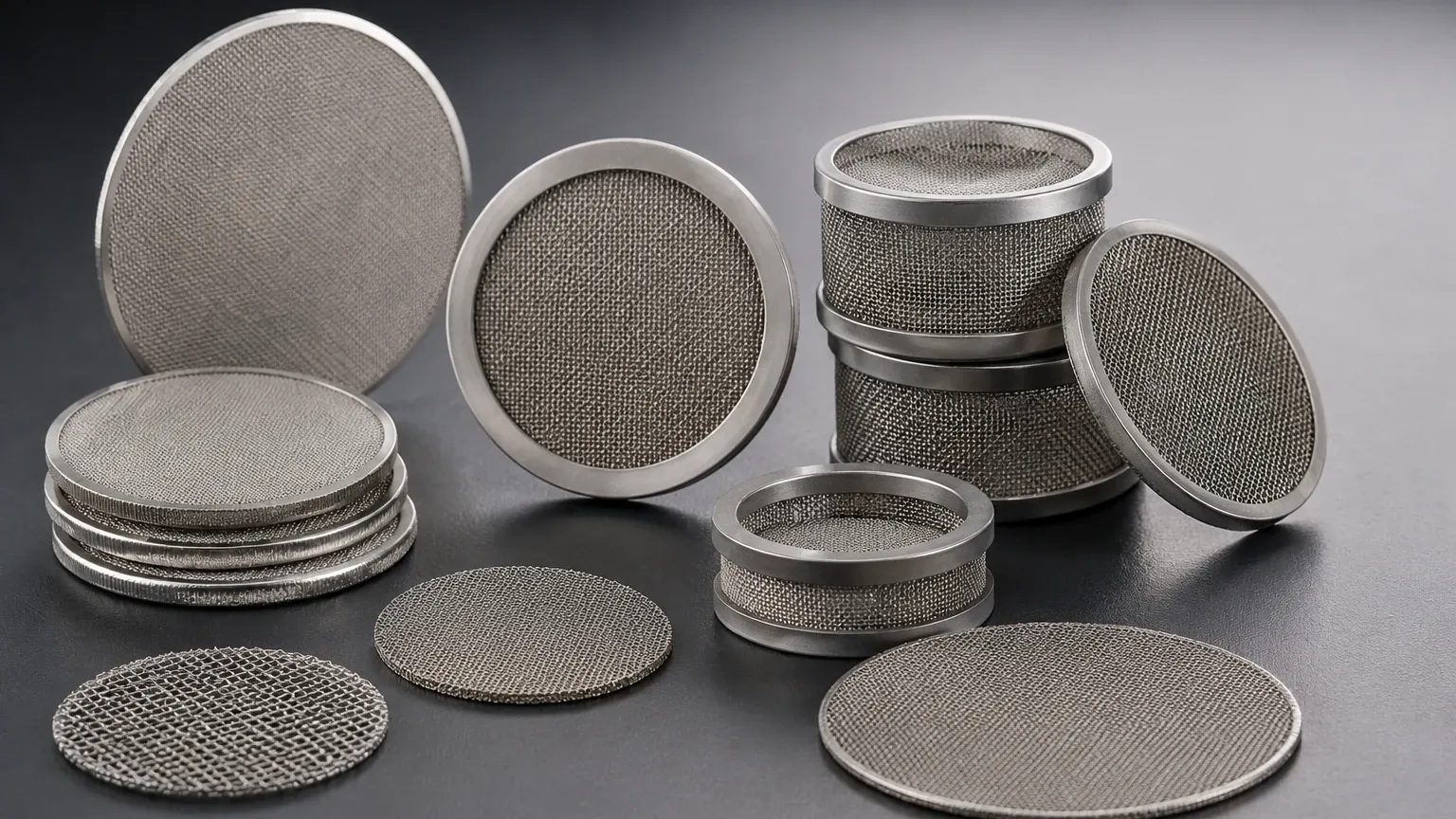
At the core of these filtration systems are Filter Discs & Packs, which provide the structural and functional basis for effective media separation. As industrial processes become more complex, the demand for customized stainless steel filtration solutions has grown, moving away from off-the-shelf options toward engineered components tailored to specific pressure, temperature, and flow requirements.
Understanding the Technical Specifications of G Filters
G filters are primarily defined by their construction materials and the geometry of their filtration media. In most heavy-industry applications, stainless steel is the material of choice due to its inherent resistance to corrosion and thermal degradation. The two most common alloys used are AISI 304 and AISI 316L.
Material Selection: 304 vs. 316L
While both alloys offer excellent mechanical strength, the choice between them depends on the chemical environment of the application. AISI 304 is suitable for general industrial use, providing good oxidation resistance. However, for applications involving chlorides or highly acidic environments—common in chemical processing and marine applications—AISI 316L is preferred. The addition of molybdenum in 316L significantly enhances its resistance to pitting and crevice corrosion, making it the standard for high-performance G filters.
Weave Types and Filtration Efficiency
The performance of the filter is largely determined by the weave of the wire mesh. Common weave types include:
* Plain Weave: The most straightforward construction where each warp wire crosses alternately over and under each weft wire. This is ideal for high-flow applications with lower pressure drops.
* Twill Weave: Allows for a heavier wire diameter in a given mesh count, providing increased strength for high-pressure G filters.
* Dutch Weave (Plain and Twill): This weave utilizes a larger diameter warp wire and a smaller diameter weft wire driven closely together. This creates a dense, strong mesh with very fine triangular openings, enabling precise micron ratings that are essential for fine particle separation.
The Role of Filter Discs & Packs in Industrial Systems
In many G filter configurations, the media is processed into specific shapes, most notably filter discs and packs. These components are often the primary consumable in extrusion and recycling industries, where they are used to remove impurities from molten plastics or resins.
Single-Layer vs. Multi-Layer Packs
Filter discs can be used as single layers for simple straining tasks, but many industrial G filters require multi-layer packs. These packs consist of several layers of wire mesh with varying mesh counts, often arranged in a gradient.
1. Support Layer: A coarse mesh that provides structural rigidity to the pack, preventing the finer layers from collapsing under high differential pressure.
2. Filtration Layer: The middle layer(s) with the specific micron rating required for the process.
3. Drainage/Protection Layer: Helps distribute the flow evenly across the filtration surface and protects the fine mesh from mechanical damage during installation.
These layers are often bound together using spot welding or framed with an aluminum or stainless steel rim. The use of a rim ensures a tight seal within the filter housing, preventing "bypass," which is one of the most common causes of filtration failure in G filters.
Engineering Considerations for Selection
When specifying G filters for a new project or replacing existing components, engineers must evaluate several critical performance metrics to ensure the chosen Filter Discs & Packs meet the operational demands.
Micron Rating and Particle Retention
Filtration accuracy is measured in microns (µm). It is important to distinguish between "nominal" and "absolute" ratings. A nominal rating refers to the ability of the filter to retain a major percentage of particles of a certain size, while an absolute rating indicates the size of the largest particle that can pass through the mesh. For G filters used in precision hydraulics or pharmaceutical processing, absolute ratings are typically required to prevent system contamination.
Differential Pressure and Dirt Holding Capacity
As a filter captures contaminants, the pressure drop across the media (differential pressure) increases. A well-designed G filter should offer a low initial pressure drop to maximize the energy efficiency of the pump or compressor. Furthermore, the "dirt holding capacity" determines how much contaminant the filter can retain before reaching its terminal pressure drop. High-capacity filters reduce the frequency of maintenance shutdowns, directly impacting the total cost of ownership.
Temperature and Mechanical Strength
Industrial G filters often operate in extreme environments. Stainless steel mesh maintains its structural integrity at temperatures exceeding 400°C, far beyond the capabilities of synthetic fiber filters. Engineers must also consider the mechanical loads; in high-viscosity applications like polymer filtration, the mesh must withstand significant shear forces without deforming or "migrating" (where wires shift and change the pore size).
Applications Across Demanding Industries
The versatility of G filters and stainless steel mesh components allows them to serve a wide array of sectors, each with unique regulatory and functional requirements.
Chemical and Petrochemical Processing
In this sector, filters must withstand aggressive solvents and high pressures. G filters are used in the filtration of catalysts, the removal of particulates from intermediate chemical products, and the protection of high-pressure pumps. The cleanability of stainless steel is a major advantage here, as filters can often be backwashed or ultrasonically cleaned for reuse.
Food and Beverage Industry
Filtration in the food industry requires materials that are non-toxic and easy to sterilize. Stainless steel Filter Discs & Packs are ideal for filtering cooking oils, beverages, and syrups. They comply with stringent hygiene standards and do not shed fibers into the product stream, ensuring consumer safety and product clarity.
Pharmaceutical and Biotechnology
Precision is paramount in pharmaceutical manufacturing. G filters are used in the separation of active pharmaceutical ingredients (APIs) and in the filtration of sterile gases. The ability to manufacture these filters to exacting tolerances ensures that they meet the validation requirements of the industry.
Hydraulic and Lubrication Systems
In hydraulic circuits, even microscopic particles can cause catastrophic wear on valves and actuators. G filters integrated into these systems provide continuous protection, ensuring that the hydraulic fluid remains within the required ISO cleanliness codes.
Customization and OEM Solutions
One of the most significant trends in industrial filtration is the move toward customized solutions. Standard sizes often fail to meet the specific constraints of modern machinery. Manufacturers like Kaifil specialize in developing bespoke G filters that match the exact dimensions and performance profiles required by original equipment manufacturers (OEMs).
Customization options include:
* Specific Geometries: Beyond standard circular discs, filters can be manufactured in oval, rectangular, or complex pleated shapes to increase surface area.
* Variable Layering: Engineers can specify the exact sequence of mesh counts in a pack to optimize for specific contaminant profiles.
* Edge Treatments: Options such as folded edges, specialized welding, or custom gaskets ensure compatibility with unique housing designs.
By working closely with a manufacturer during the design phase, companies can develop filtration components that not only perform better but are also easier to install and maintain.
Maintenance and Replacement Cycles
To maintain the efficiency of a system utilizing G filters, a proactive maintenance strategy is essential. Relying solely on a fixed schedule can lead to either premature replacement (wasting resources) or late replacement (risking equipment damage).
Monitoring Performance
The most effective way to manage G filters is through differential pressure monitoring. By installing pressure transducers upstream and downstream of the filter, operators can track the "loading" of the filter in real-time. Once the pressure drop reaches a predetermined limit, the filter should be cleaned or replaced.
Cleaning vs. Replacement
One of the primary benefits of stainless steel G filters is their cleanability. Depending on the contaminant, filters can be cleaned using:
* Ultrasonic Cleaning: High-frequency sound waves create cavitation bubbles that dislodge particles from deep within the mesh.
* Chemical Cleaning: Soaking the filters in solvents or acids to dissolve organic or inorganic deposits.
* Burn-off Ovens: Used primarily in the plastics industry to remove polymer residue from the mesh.
However, it is important to note that repeated cleaning can eventually fatigue the wire mesh. Regular inspection for wire breakage or pore enlargement is necessary to ensure the filter still meets its original specifications.
Conclusion: Selecting the Right Filtration Partner
In the B2B industrial sector, the reliability of a G filter is only as good as the engineering and manufacturing quality behind it. Selecting high-quality Filter Discs & Packs is a strategic decision that affects the longevity of expensive machinery and the quality of the final product.
When evaluating suppliers, engineers should look for partners who offer technical expertise in material science, advanced manufacturing capabilities, and a commitment to quality control. A manufacturer that understands the complexities of fluid dynamics and mechanical stress can provide more than just a component; they provide a solution that optimizes the entire production process. As industries continue to push the boundaries of temperature, pressure, and purity, the role of precision-engineered G filters will remain a cornerstone of industrial excellence.
