


How Do You Clean Filter Balls
In industrial and commercial water treatment, filtration media selection directly impacts operational efficiency, maintenance schedules, and long-term costs. While traditional sand filters were once the standard, many facilities have transitioned to synthetic fiber media, commonly known as filter balls. These lightweight, high-surface-area components are effective at capturing fine particulates, but their maintenance requirements differ significantly from granular media or permanent metal solutions like Filter Discs & Packs.
Understanding the technical process of how do you clean filter balls is essential for plant managers and maintenance engineers who must balance filtration performance with the labor costs associated with media upkeep. This guide provides a factual, engineering-focused overview of the cleaning process, the limitations of fiber media, and how it compares to high-performance stainless steel alternatives.
Understanding the Composition and Function of Filter Balls
Filter balls are typically manufactured from 100% polyethylene or polyester fibers. These fibers are woven or thermally bonded into spherical shapes that provide a high dirt-holding capacity. Unlike sand, which filters primarily on the surface of the bed, filter balls allow for deep-bed filtration, trapping particles within the interstitial spaces of the fiber matrix.
Because these fibers are porous and flexible, they can capture particles as small as 3 to 5 microns. However, this same flexibility means that over time, the fibers become saturated with organic matter, oils, and biofilm. Unlike metal mesh or sintered components, fiber balls cannot be effectively cleaned through a standard backwash cycle alone. While backwashing can rearrange the media and remove some loose debris, a deep clean requires physical removal and specialized washing procedures.
How Do You Clean Filter Balls: The Standard Procedure
For industrial and commercial applications, the cleaning process must be standardized to ensure the media returns to its baseline differential pressure. The following steps outline the professional approach to maintaining fiber filter media.
1. System Shutdown and Media Extraction
Before cleaning, the filtration system must be depressurized and drained. Because filter balls are lightweight, they can be easily scooped out of the filter vessel. It is critical to inspect the media during extraction for signs of "clumping" or calcification, which may indicate that the balls are reaching the end of their service life.
2. Pre-Rinsing and Debris Removal
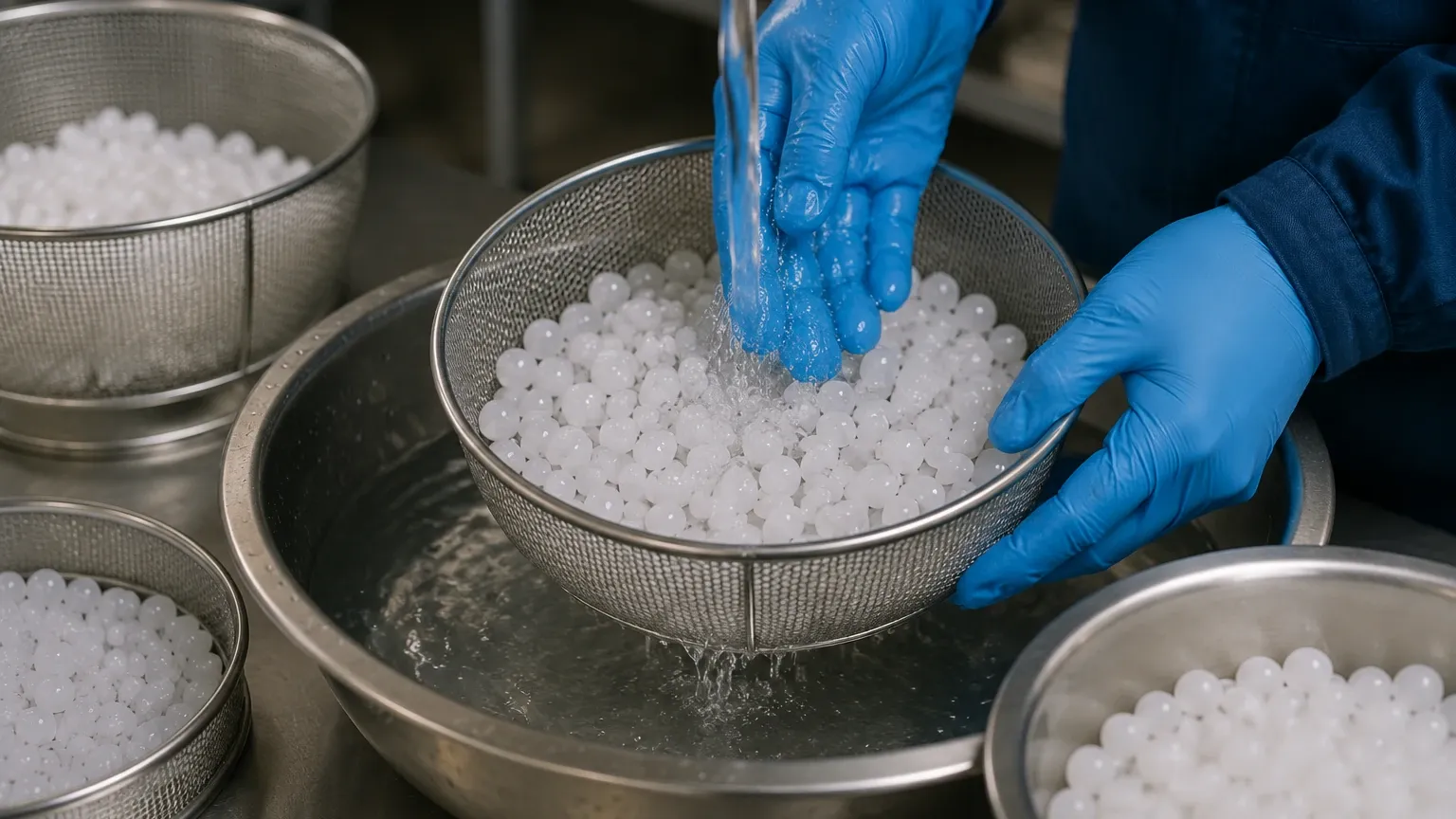
Once removed, the balls should be placed in a large mesh containment bag. A high-volume, low-pressure water rinse is used to remove large physical contaminants, such as hair, lint, or heavy sediment. Avoid using high-pressure washers directly on the fibers, as this can fray the polyester strands and reduce the media's structural integrity.
3. Mechanical Washing (Machine Cleaning)
How do you clean filter balls effectively? The most reliable method is mechanical agitation in a commercial washing machine.
* Temperature Control: The water temperature should not exceed 30°C (86°F). Higher temperatures can cause the synthetic fibers to shrink or lose their spherical shape, leading to channeling within the filter bed.
* Detergent Selection: Use a mild, non-foaming detergent. It is imperative to avoid fabric softeners or bleach. Softeners leave a chemical residue that coats the fibers, significantly reducing their ability to attract and hold fine particulates. Bleach can degrade the polymer bonds over multiple cycles.
* Cycle Settings: A standard wash cycle with a thorough rinse is usually sufficient. The centrifugal force of the spin cycle helps expel trapped micro-particles that a static soak cannot reach.
4. Chemical Soaking for Oil and Biofilm
In industrial environments where oils or high organic loads are present, mechanical washing may not be enough. A chemical soak in a specialized filter cleaner or a diluted acid solution (depending on the contaminant) may be necessary to break down biofilm. After soaking, the media must be neutralized and rinsed extensively to prevent chemical carryover into the process water.
Key Evaluation Criteria for Media Reusability
Maintenance teams must decide whether to clean or replace the media. While filter balls are marketed as washable, they are not permanent. Engineers should evaluate the following criteria after each cleaning cycle:
* Weight and Volume: If the balls have lost significant volume or appear "flattened," they will no longer provide the necessary depth filtration, leading to premature pressure spikes.
* Fiber Integrity: Frayed or "fuzzy" balls can release micro-fibers into the effluent stream, which may contaminate downstream processes or clog precision components like spray nozzles.
* Odor and Discoloration: Persistent odors or deep staining often indicate deep-seated biofilm that mechanical washing cannot remove. In such cases, the media acts as a breeding ground for bacteria rather than a purification tool.
Common Risks and Operational Challenges
While the process of cleaning filter balls is straightforward, it introduces several operational risks that B2B users must consider:
1. Labor Intensity: The requirement to manually remove, wash, and reinstall the media is labor-intensive compared to automated backwashing systems used with sand or metal filters.
2. Downtime: Unless a facility keeps a complete second set of filter balls on hand, the system remains offline throughout the washing and drying process.
3. Compaction Issues: Over time, the fibers lose their elasticity. This leads to compaction under pump pressure, which increases the pressure drop across the filter and reduces flow rates.
Comparing Fiber Media with Stainless Steel Filtration
For many demanding industrial applications, the maintenance burden of filter balls is a significant disadvantage. This is where precision-engineered solutions like Filter Discs & Packs offer a superior alternative.
While filter balls are suitable for light-duty water polishing, stainless steel wire mesh filters provide several distinct advantages in a B2B context:
* Durability and Longevity: Stainless steel components are resistant to high temperatures, high pressures, and corrosive chemicals that would destroy synthetic fibers.
* Ease of Cleaning: Metal filter discs and packs are designed for automated cleaning. Whether through high-pressure backpulsing or ultrasonic cleaning, these components can be restored to near-original condition without manual extraction.
* Precision Filtration: While fiber balls have a variable micron rating depending on compaction, stainless steel wire mesh provides a fixed, absolute filtration rating. This is critical for pharmaceutical, food and beverage, and chemical processing where consistency is non-negotiable.
* Zero Fiber Migration: In high-purity applications, the risk of fiber shedding from filter balls is a major concern. Stainless steel filters are structurally stable and do not release particles into the filtrate.
Engineering Considerations for Upgrading Filtration Systems
When evaluating whether to continue using fiber media or to transition to a more robust solution, engineers should perform a Total Cost of Ownership (TCO) analysis. This analysis should include:
1. Replacement Frequency: Filter balls typically last 2 to 5 years depending on the load and cleaning frequency. In contrast, a well-maintained stainless steel filter pack can last a decade or more.
2. Water Consumption: While filter balls save water during the filtration cycle (due to lower backwash frequency), the water used in the external washing process and the potential for system downtime must be factored in.
3. Filtration Accuracy: If the process requires consistent removal of specific particle sizes, the variable nature of fiber media may lead to inconsistent product quality.
For systems requiring high-strength, reusable filtration, customized metal components are often the more cost-effective choice in the long run. Kaifil specializes in manufacturing these precision components, ensuring that industrial operators can achieve reliable performance without the labor-intensive maintenance cycles required by synthetic media.
Conclusion: Making the Right Choice for Your Facility
Answering the question of how do you clean filter balls reveals a process that, while effective for certain applications, involves significant manual intervention and potential operational risks. For residential or light commercial pools, the trade-off may be acceptable. However, in industrial environments where uptime and precision are paramount, the limitations of fiber media often lead engineers to seek more durable alternatives.
By understanding the maintenance requirements and physical limitations of your filtration media, you can make informed decisions that optimize both performance and budget. For those looking to move away from the high-maintenance cycle of disposable or semi-disposable media, exploring professional-grade filtration components is the next logical step in system optimization.
