


How to Filter Without Filter Paper
In many laboratory and industrial processes, filter paper is the traditional go-to for solid-liquid separation. However, as production scales increase and technical requirements become more stringent, the limitations of cellulose-based media become apparent. Engineers and procurement specialists often find themselves asking how to filter without filter paper to overcome challenges related to chemical compatibility, mechanical strength, and high-temperature tolerance.
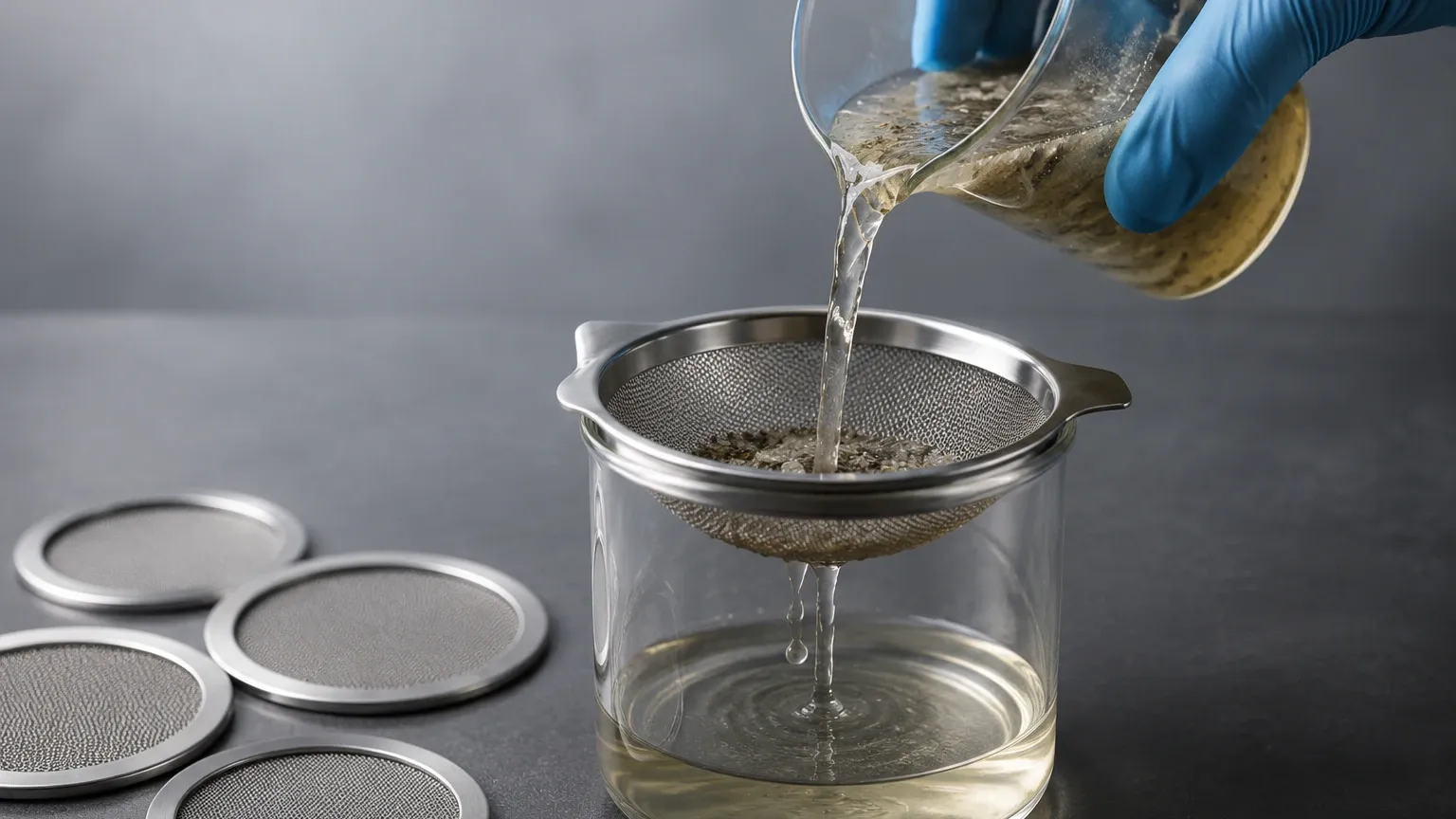
Transitioning from disposable paper to permanent filtration media, such as stainless steel Filter Discs & Packs, represents a significant shift in process engineering. This transition not only improves filtration precision but also enhances the sustainability and cost-effectiveness of industrial operations. This guide explores the technical alternatives to filter paper, the engineering considerations for selecting metal media, and the practical steps for implementing these solutions in demanding environments.
Why Move Beyond Traditional Filter Paper?
Filter paper, while inexpensive for small-scale batch work, presents several technical hurdles in a professional B2B context. Understanding these limitations is the first step in learning how to filter without filter paper effectively.
1. Fiber Migration and Contamination
Cellulose filters are prone to fiber shedding. In pharmaceutical or high-purity chemical processing, even microscopic fiber migration can lead to batch rejection. Metal filtration components provide a non-shedding surface, ensuring that the filtrate remains free of media-derived contaminants.
2. Limited Pressure and Temperature Resistance
Paper has low mechanical strength. Under high differential pressure (Delta P), paper filters can rupture or "blow through," leading to a total loss of filtration integrity. Furthermore, paper cannot withstand temperatures exceeding 100°C for extended periods without degrading. In contrast, stainless steel components can operate at temperatures exceeding 400°C and withstand significant pressure surges.
3. Chemical Incompatibility
Many industrial solvents, strong acids, and bases will dissolve or weaken cellulose fibers. When an application involves aggressive chemicals, the only viable path is to utilize corrosion-resistant alloys like 304 or 316L stainless steel.
Technical Alternatives: The Role of Metal Filter Discs & Packs
When investigating how to filter without filter paper, the most robust solution is the adoption of metal wire mesh. These components are engineered to provide the same (or better) particle retention as paper but with the structural benefits of metal.
Single-Layer Wire Mesh Discs
For applications requiring high flow rates and relatively coarse filtration, single-layer stainless steel discs are ideal. These are often used in plastic extrusion or simple hydraulic systems where the primary goal is removing large particulates. They are easily cleaned and offer a long service life.
Multi-Layer Filter Packs
In more complex systems, a single layer of mesh may not provide sufficient depth or strength. Multi-layer Filter Discs & Packs consist of several layers of wire cloth—often a combination of a fine filtration layer protected by coarser support layers. These layers are frequently spot-welded or bound with a metal rim to ensure structural integrity under high-pressure conditions.
Sintered Metal Media
Sintering involves bonding multiple layers of wire mesh or metal powder through heat and pressure without melting them. This creates a porous metal structure that is incredibly rigid. Sintered discs are the ultimate answer to how to filter without filter paper in high-pressure gas or liquid applications where absolute pore size control is critical.
Engineering Considerations for Transitioning Media
Moving away from paper requires a technical evaluation of your current filtration housing and process parameters. Simply replacing a paper disc with a metal one may not yield optimal results without considering the following factors:
Micron Rating and Weave Types
Unlike paper, which has a nominal and often inconsistent pore size, metal mesh is manufactured with high precision. Engineers must choose between different weave types:
* Plain Weave: Simple over-under pattern, best for high flow and low pressure.
* Dutch Weave: Features a higher density of wires in one direction, creating a "tortuous path" that allows for much finer filtration (down to 5-10 microns) while maintaining strength.
* Twilled Weave: Allows for thicker wires and heavier loads.
Effective Filtration Area (EFA)
Because metal mesh is thinner than some high-capacity depth papers, the flow dynamics may change. It is essential to calculate the EFA to ensure that the transition does not lead to an unacceptable increase in initial pressure drop. In some cases, pleated metal cartridges may be used instead of flat discs to increase the surface area within the same footprint.
Sealing and Gasketing
Paper filters often act as their own gasket in simple funnel setups. Metal discs, however, require precise sealing to prevent bypass. When designing a system for how to filter without filter paper, engineers must decide between metal-to-metal seals, O-rings, or encapsulated edges where the mesh is crimped into a soft metal or polymer rim.
How to Filter Without Filter Paper: Step-by-Step Implementation
For facilities looking to upgrade their filtration process, the following steps provide a roadmap for a successful transition.
Step 1: Analyze the Particle Size Distribution (PSD)
Before selecting a metal filter, you must know exactly what you are trying to remove. Conduct a PSD analysis of your influent. This allows you to select a micron rating that captures the target contaminants without clogging prematurely.
Step 2: Evaluate Chemical and Thermal Loads
Identify all chemicals in the process, including cleaning agents. While 304 stainless steel is suitable for many food and beverage applications, 316L is generally required for pharmaceutical and chemical processing due to its superior resistance to pitting and corrosion. Ensure the alloy selected can handle the maximum operating temperature of the system.
Step 3: Determine Cleaning Protocols
One of the primary benefits of learning how to filter without filter paper is reusability. Unlike paper, which is discarded, metal Filter Discs & Packs can be cleaned via:
* Ultrasonic Cleaning: Effective for removing fine particles trapped deep within the mesh.
* Backwashing: Using fluid flow in the reverse direction to dislodge filter cake.
* Chemical Cleaning: Using solvents or acids to dissolve organic or mineral buildup.
Step 4: Prototype and Pilot Testing
Before a full-scale rollout, test a sample metal disc in a pilot-scale version of your process. Monitor the pressure drop over time and the clarity of the filtrate (turbidity). This data will help determine the expected filter life between cleaning cycles.
Industry Applications for Metal Filtration
Various sectors have already mastered how to filter without filter paper, relying on the durability of stainless steel to maintain continuous production.
Chemical Processing
In the production of resins, polymers, and specialty chemicals, high temperatures and aggressive solvents make paper unusable. Metal filter packs are used in polymer melt filtration to remove gels and degraded material that would otherwise ruin the final product quality.
Food and Beverage
In the filtration of edible oils or syrups, paper can impart a "woody" taste or absorb valuable fats. Stainless steel wire mesh is inert, easy to sanitize (CIP – Clean In Place), and meets stringent FDA requirements for food contact surfaces.
Pharmaceutical Manufacturing
Precision is paramount in pharma. Sintered metal discs provide absolute retention ratings, ensuring that active pharmaceutical ingredients (APIs) are recovered or purified without the risk of media migration or bacterial growth often associated with damp cellulose.
Total Cost of Ownership (TCO) Comparison
While the initial purchase price of a stainless steel filter disc is significantly higher than a pack of filter paper, the TCO often favors the metal solution in industrial environments.
| Feature | Filter Paper | Metal Filter Discs & Packs |
| :— | :— | :— |
| Initial Cost | Low | High |
| Service Life | Single-use | Years (with proper cleaning) |
| Waste Disposal | High (ongoing volume) | Minimal |
| Labor Cost | High (frequent changes) | Low (periodic cleaning) |
| Process Uptime | Interrupted by changes | Extended run times |
By eliminating the recurring cost of purchasing, storing, and disposing of paper, and by reducing the labor required for frequent filter changes, most B2B operations see a return on investment (ROI) within the first year of switching to metal media.
Conclusion
Learning how to filter without filter paper is a strategic move for any industrial operation seeking to optimize performance and reduce waste. By transitioning to high-quality stainless steel Filter Discs & Packs, engineers gain greater control over filtration precision, mechanical durability, and chemical compatibility.
Whether you are dealing with high-pressure hydraulic fluids, aggressive chemical solvents, or high-purity food products, the move to permanent metal filtration media provides a reliable, scalable, and cost-effective solution. When selecting your next filtration component, prioritize material grade, weave type, and cleaning compatibility to ensure your system operates at peak efficiency for years to come.
