


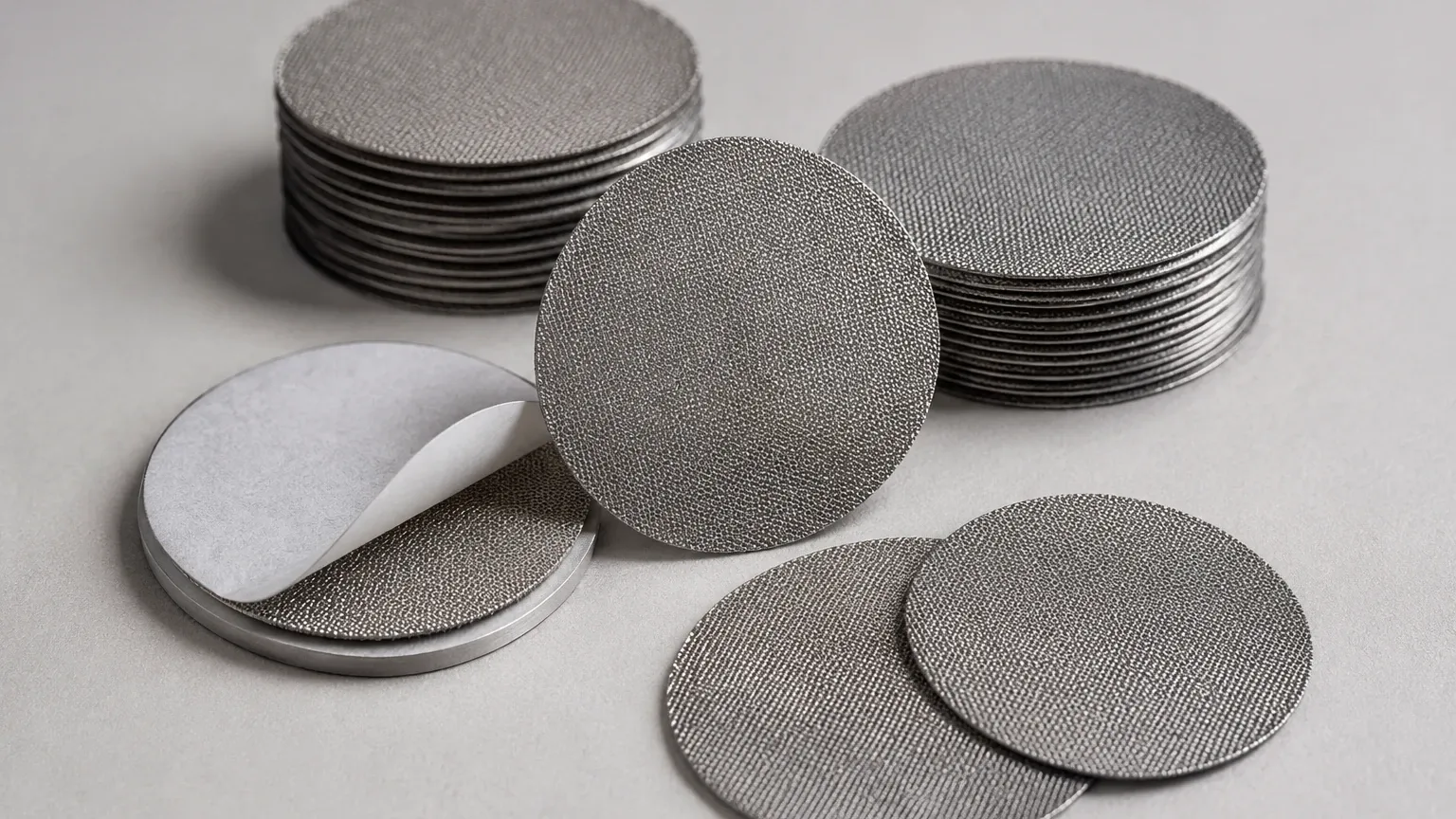
Monotub Adhesive Filter Discs
In the realm of precision filtration and controlled environment management, the selection of gas exchange components is a critical engineering decision. Monotub adhesive filter discs serve as a specialized solution for applications requiring high-efficiency particulate air (HEPA) filtration combined with ease of installation. While often associated with mycology and laboratory-scale cultivation, the underlying principles of these components—pore size consistency, adhesive thermal stability, and gas exchange rates—are fundamental to industrial filtration design.
For engineers and procurement professionals, understanding the technical nuances of these discs is essential for ensuring process integrity. Whether the application involves pharmaceutical research, specialized chemical processing, or industrial-scale cultivation, the performance of a filter disc dictates the success of the sterile environment. This guide examines the technical specifications, material considerations, and selection criteria for Filter Discs & Packs in demanding industrial contexts.
Understanding the Role of Filter Discs in Controlled Environments
The primary function of a filter disc in a monotub or similar vessel is to facilitate passive gas exchange while maintaining a biological barrier. In industrial processes, this requires a delicate balance: the filter must allow sufficient oxygen (O2) and carbon dioxide (CO2) transfer to support the internal environment, yet the pore structure must be fine enough to exclude contaminants such as bacteria, mold spores, and fine particulates.
Monotub adhesive filter discs are typically manufactured from synthetic polymers like polytetrafluoroethylene (PTFE) or specialized non-woven synthetic fibers. These materials are chosen for their hydrophobic properties, which prevent moisture from saturating the filter media. In a high-humidity environment, a saturated filter becomes a bridge for contaminants and significantly restricts gas exchange. By utilizing hydrophobic materials, engineers ensure that the filter remains functional even in saturated air conditions.
Technical Specifications of Monotub Adhesive Filter Discs
When evaluating filter discs for industrial or commercial use, several technical parameters must be scrutinized to ensure they meet the specific requirements of the application.
Micron Rating and Filtration Efficiency
The most critical specification is the micron rating. For sterile gas exchange, a rating of 0.22 microns is generally considered the industry standard for blocking bacteria. However, depending on the specific airflow requirements and the nature of the contaminants, ratings may range from 0.1 to 0.5 microns. High-quality discs provide a consistent pore structure, ensuring that no "large" pores exist that could allow bypass.
Adhesive Thermal Stability
Since many industrial and laboratory processes require sterilization via autoclaving or steam-in-place (SIP) methods, the adhesive backing on these discs must be thermally stable. Standard industrial adhesives often fail at temperatures above 100°C, leading to peeling or seal failure. Professional-grade adhesive filter discs utilize high-temperature acrylic or silicone-based adhesives designed to withstand temperatures up to 125°C (257°F) or higher without losing structural integrity.
Gas Exchange Rate (GE)
Gas exchange is measured by the volume of air that can pass through the media at a given pressure differential. In passive systems like a monotub, the GE is driven by concentration gradients. The surface area of the disc and the porosity of the material determine the efficiency of this exchange. Engineers must calculate the required surface area of filtration based on the volume of the vessel and the metabolic or chemical requirements of the contents.
Engineering Considerations for Gas Exchange and Contamination Control
Designing a filtration system for a sealed vessel involves more than just selecting a high-efficiency media. The interface between the filter and the vessel is a common point of failure. Monotub adhesive filter discs address this by providing a 360-degree seal, but the application surface must be prepared correctly to ensure a hermetic bond.
Hydrophobicity and Moisture Management
In industrial filtration, moisture is often the enemy of efficiency. Hydrophobic filter discs repel liquid water while allowing water vapor to pass. This is vital in applications where condensation is likely. If a filter is not hydrophobic, a film of water can form across the pores, creating a barrier that stops gas exchange entirely—a phenomenon known as "blinding."
Mechanical Durability
While adhesive discs are often considered semi-disposable, they must be durable enough to withstand physical handling and pressure fluctuations. In large-scale operations, the physical integrity of the filter media is paramount. Synthetic meshes or membranes are often reinforced with a support layer to prevent tearing or deformation under stress.
Comparative Analysis: Synthetic vs. Stainless Steel Filter Discs
While monotub adhesive filter discs offer convenience, it is important for engineers to consider whether a synthetic adhesive solution or a permanent metal filtration solution is more appropriate for their specific project. Kaifil specializes in the manufacture of high-precision stainless steel filtration components, which offer a different set of advantages compared to synthetic adhesive discs.
| Feature | Synthetic Adhesive Discs | Stainless Steel Filter Discs |
| :— | :— | :— |
| Durability | Limited; typically single-use or short-term. | Extremely high; resistant to physical impact. |
| Temperature Resistance | Up to 125°C (specialized). | Up to 800°C+ depending on alloy. |
| Chemical Compatibility | Varies by polymer; generally good. | Excellent; resistant to most solvents and acids. |
| Cleaning/Reuse | Generally non-reusable. | Fully cleanable via ultrasonic or backwashing. |
| Installation | Peel-and-stick; fast and easy. | Requires mechanical housing or welding. |
| Filtration Precision | High (down to 0.1 micron). | High (down to 0.5 microns with sintered metal). |
For temporary setups or applications where a low-cost, disposable solution is required, adhesive discs are highly effective. However, for long-term industrial processes where reliability and sterilization cycles are frequent, integrated stainless steel Filter Discs & Packs provide a lower total cost of ownership and higher mechanical reliability.
Selection Criteria for Industrial-Grade Filtration Components
Selecting the right filtration component requires a systematic approach. Purchasing teams and engineers should confirm the following details before finalizing a specification:
1. Operating Temperature: Will the filter be subjected to autoclaving or high-heat sterilization? If so, ensure both the media and the adhesive are rated for these temperatures.
2. Chemical Exposure: Will the filter come into contact with volatile organic compounds (VOCs), alcohols, or corrosive cleaning agents? Synthetic materials like PTFE are highly resistant, but the adhesive backing may be vulnerable.
3. Pressure Differentials: In active ventilation systems, the filter must be able to withstand the pressure exerted by fans or pumps without delaminating from the vessel surface.
4. Sterility Requirements: Is the goal to block all bacteria (0.22 micron) or simply to provide a dust barrier (5-10 microns)? Over-specifying filtration can lead to insufficient gas exchange, while under-specifying leads to contamination.
Installation and Maintenance Protocols for Adhesive Filtration
The performance of monotub adhesive filter discs is heavily dependent on the quality of the installation. Even the highest-rated 0.22-micron filter will fail if air can bypass the adhesive seal.
Surface Preparation
The application surface must be clean, dry, and free of oils. In industrial settings, surfaces should be cleaned with high-purity isopropyl alcohol (IPA) before the disc is applied. Any residue from the manufacturing process of the vessel (such as mold release agents on plastic tubs) will compromise the adhesive bond.
Application Pressure
Pressure-sensitive adhesives (PSAs) require firm, even pressure to activate the bond. After placing the disc over the vent hole, it should be pressed firmly from the center outward to ensure no air bubbles are trapped under the adhesive ring.
Monitoring and Replacement
Adhesive filters should be inspected regularly for signs of lifting or discoloration. In a B2B production environment, a scheduled replacement cycle is recommended. Unlike stainless steel filters, which can be cleaned and tested for integrity, synthetic adhesive discs are best replaced after each production cycle to ensure maximum sterility.
Cost-Efficiency and Performance Optimization
In large-scale operations, the cost of filtration components can scale quickly. While individual adhesive discs are inexpensive, the labor cost of application and the risk of failure-induced crop or batch loss must be factored into the total cost of operations.
For facilities looking to optimize performance, transitioning to a hybrid system—where reusable stainless steel housings hold replaceable or cleanable filter media—can offer significant benefits. However, for the flexibility required in research and development or modular cultivation setups, monotub adhesive filter discs remain a versatile and effective tool.
By focusing on high-quality materials and rigorous technical specifications, Kaifil supports industries in achieving precise filtration results. Understanding the strengths and limitations of different filter formats, from adhesive synthetics to custom-engineered metal packs, allows engineers to design systems that are both robust and cost-effective. For those requiring custom dimensions or specialized material compositions in their filtration hardware, exploring professional Filter Discs & Packs is the next logical step in process optimization.
