


Smith Root Filter Packs
In the specialized fields of environmental science, fisheries management, and industrial water treatment, the integrity of a sample or the purity of a process fluid depends entirely on the performance of the filtration media. Smith Root filter packs have become a recognized standard, particularly in environmental DNA (eDNA) sampling and aquatic research. These components are designed to capture biological material or fine particulates from large volumes of water under varying pressure conditions. For engineers and procurement professionals, understanding the technical specifications, material science, and structural design of these filter packs is essential for ensuring data accuracy and equipment longevity.
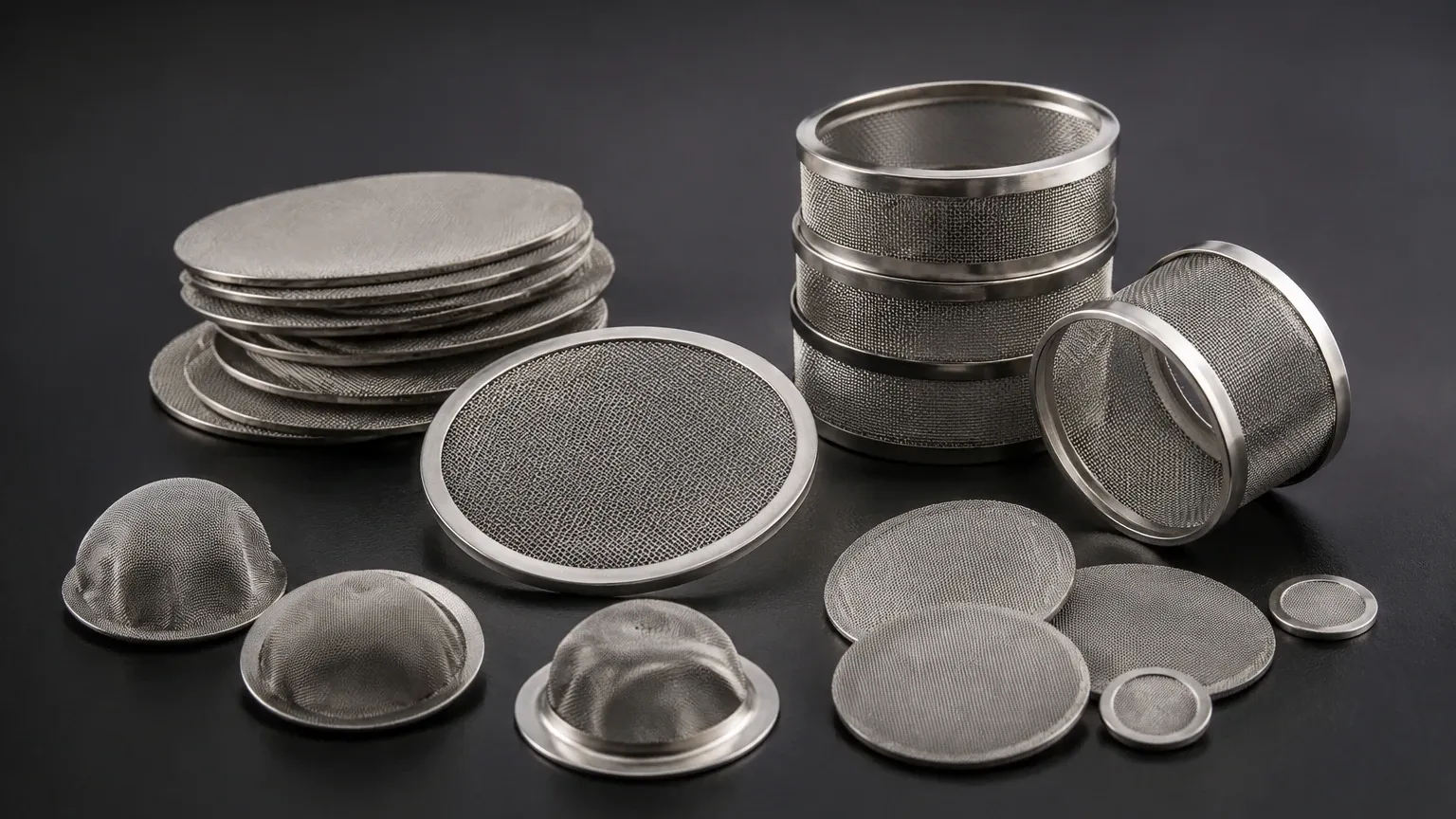
As industrial filtration requirements evolve, the demand for high-precision Filter Discs & Packs has expanded beyond standard laboratory environments into rugged industrial and field applications. This guide examines the engineering principles behind these filtration components, the critical factors in material selection, and the considerations necessary for customizing filter solutions to meet specific operational demands.
Technical Architecture of Filter Packs
A filter pack is rarely a single layer of material. In professional applications, whether for eDNA sampling or industrial polymer filtration, these components are engineered as multi-layered systems. The architecture of a filter pack typically includes a primary filtration layer, a drainage layer, and a support layer.
The Filtration Layer
The primary layer determines the micron rating of the pack. In the context of Smith Root filter packs used for eDNA, this is often a membrane or a fine mesh designed to capture cellular debris and extracellular DNA. In broader industrial applications, this layer may consist of stainless steel wire cloth, such as plain weave or twilled Dutch weave, which provides precise pore sizes ranging from 1 micron to several hundred microns.
Support and Drainage Layers
High-pressure filtration can cause fine mesh or membranes to deform or tear. To prevent this, support layers—often made of coarser wire mesh—are added. These layers provide the structural rigidity needed to withstand the differential pressure (ΔP) generated by pumps. Drainage layers ensure that the fluid flows evenly across the entire surface area of the filter, preventing localized clogging and extending the service life of the pack.
Material Selection for Demanding Environments
The choice of material for filter packs is dictated by the chemical composition of the fluid, the operating temperature, and the required durability. While disposable field packs may use polymers, industrial-grade filter discs often rely on metallic alloys for superior performance.
1. Stainless Steel (304 and 316L): This is the industry standard for most filtration applications. 316L stainless steel, in particular, offers excellent resistance to corrosion from salt water and acidic chemicals, making it ideal for both marine environmental sampling and chemical processing.
2. Specialty Alloys: For extreme environments involving high temperatures or highly corrosive fluids, materials like Monel, Inconel, or Hastelloy may be employed. These alloys maintain their structural integrity where standard stainless steel might fail.
3. Polycarbonate and Cellulose: Often found in specialized eDNA filter packs, these materials are chosen for their specific binding properties or optical clarity for subsequent laboratory analysis. However, they lack the mechanical strength and reusability of metal mesh packs.
Engineering Considerations for eDNA and Field Sampling
When utilizing Smith Root filter packs for environmental monitoring, the engineering focus shifts toward preventing cross-contamination and maximizing the capture of biological markers. The "pack" design is inherently advantageous here because it encapsulates the media, reducing the risk of handling-induced contamination.
Pore Size and Flow Dynamics
In eDNA sampling, the pore size must be small enough to capture target genetic material but large enough to allow a sufficient volume of water to pass through within a reasonable timeframe. A common challenge is the "clogging limit," where suspended solids in turbid water block the pores. Engineering a filter pack with a graduated density—where a coarser pre-filter layer protects the fine primary layer—can significantly increase the volume of water processed before the flow rate drops below functional levels.
Pressure Resistance
Field pumps used in fisheries research can exert significant suction or pressure. If the filter pack is not properly seated or if the mesh is not securely bonded to its frame, "bypass" can occur. Bypass allows unfiltered fluid to pass around the edges of the media, rendering the sample or the filtration process invalid. Precision-manufactured filter discs utilize spot welding or aluminum/stainless steel rims to ensure a perfect seal within the filter housing.
Customization and OEM Capabilities
Many industrial applications require filtration components that do not fit standard off-the-shelf specifications. This is where custom manufacturing becomes critical. For organizations looking to optimize their filtration systems, several customization options are available for filter discs and packs:
* Layer Configuration: Engineers can specify the number of layers and the specific micron rating for each to balance filtration fineness with flow capacity.
* Edge Processing: Options include spot-welded edges, hemmed edges, or rimmed edges (using aluminum, copper, or stainless steel). Rimmed edges are particularly effective for high-pressure seals.
* Shape and Geometry: While circular discs are most common, packs can be manufactured in oval, rectangular, or complex custom shapes to fit proprietary equipment housings.
* Pleating: For applications requiring a larger surface area within a compact footprint, the filter media can be pleated before being incorporated into a pack.
Evaluating Performance and Total Cost of Ownership
When selecting between various filter packs, it is important to look beyond the initial purchase price and consider the total cost of ownership (TCO). In an industrial setting, a cheaper, lower-quality filter pack may lead to more frequent downtime for replacements or, worse, damage to downstream equipment.
Durability and Reusability
Stainless steel filter packs are often cleanable and reusable, depending on the nature of the contaminants. Ultrasonic cleaning or backwashing can restore the flow characteristics of a metal mesh pack multiple times. In contrast, polymer-based packs are typically single-use, which may be necessary for eDNA to prevent contamination but is often inefficient for industrial water treatment or hydraulic systems.
Filtration Efficiency
The efficiency of a filter pack is measured by its ability to retain particles of a specific size. This is often expressed as a Beta Ratio. High-performance packs maintain a consistent Beta Ratio even as the pressure drop across the filter increases. For critical applications, ensuring that the manufacturer provides documented testing of filtration accuracy is vital.
Quality Assurance in Filter Manufacturing
The reliability of Smith Root filter packs and similar industrial components stems from rigorous manufacturing standards. Quality control in the production of Filter Discs & Packs involves several key steps:
1. Wire Mesh Inspection: Ensuring the weave is uniform and free of defects like broken wires or irregular spacing.
2. Ultrasonic Cleaning: Removing manufacturing oils and residues before the layers are assembled.
3. Precision Cutting: Using laser or die-cutting technology to ensure dimensional accuracy, which is critical for a proper fit in the filter holder.
4. Strength Testing: Verifying that spot welds or rims can withstand the mechanical stresses of the intended application.
Common Questions Before Purchasing
Before finalizing a specification for filter packs, engineers should confirm the following details with their supplier:
* What is the maximum operating pressure? Ensure the support layers are sufficient for the pump's output.
* Is the material compatible with the fluid? Consider pH levels and chemical additives.
* What is the target particle size? Balance the need for fine filtration with the risk of rapid clogging.
* Are custom dimensions required? Provide precise tolerances for the outer diameter (OD) and thickness.
Conclusion
Whether used for cutting-edge environmental research with Smith Root systems or for protecting sensitive machinery in a chemical plant, filter packs are a critical point of failure or success. By focusing on the technical nuances of mesh selection, layer architecture, and edge sealing, procurement and engineering teams can ensure they are using the most effective filtration solution for their specific environment. High-quality stainless steel filtration components offer the precision and durability required to handle the most demanding industrial and scientific challenges, providing reliable performance where standard solutions fall short.
