


U Filter Replacement
In industrial filtration, maintaining the integrity of fluid systems depends heavily on the timely and accurate replacement of filter elements. For engineers and maintenance professionals, a "U filter replacement"—referring to the maintenance of U-shaped filter housings or specific U-type filtration assemblies—is a critical procedure that ensures the continued removal of contaminants from gases, liquids, and polymers. These systems often rely on high-precision components to achieve specific micron ratings and flow rates under demanding conditions.
At the core of these filtration systems are the internal media configurations, often consisting of specialized Filter Discs & Packs. Selecting the correct replacement components requires a deep understanding of material science, fluid dynamics, and the mechanical stresses inherent in industrial processing. This guide explores the technical considerations, selection criteria, and engineering best practices for managing filter replacements in professional environments.
Understanding the Role of Filter Discs & Packs in Industrial Systems
Industrial filtration systems, including those requiring U filter replacement, are designed to protect downstream equipment from particulate damage and ensure product purity. The effectiveness of these systems is determined by the filter media's ability to capture solids while maintaining a manageable pressure drop.
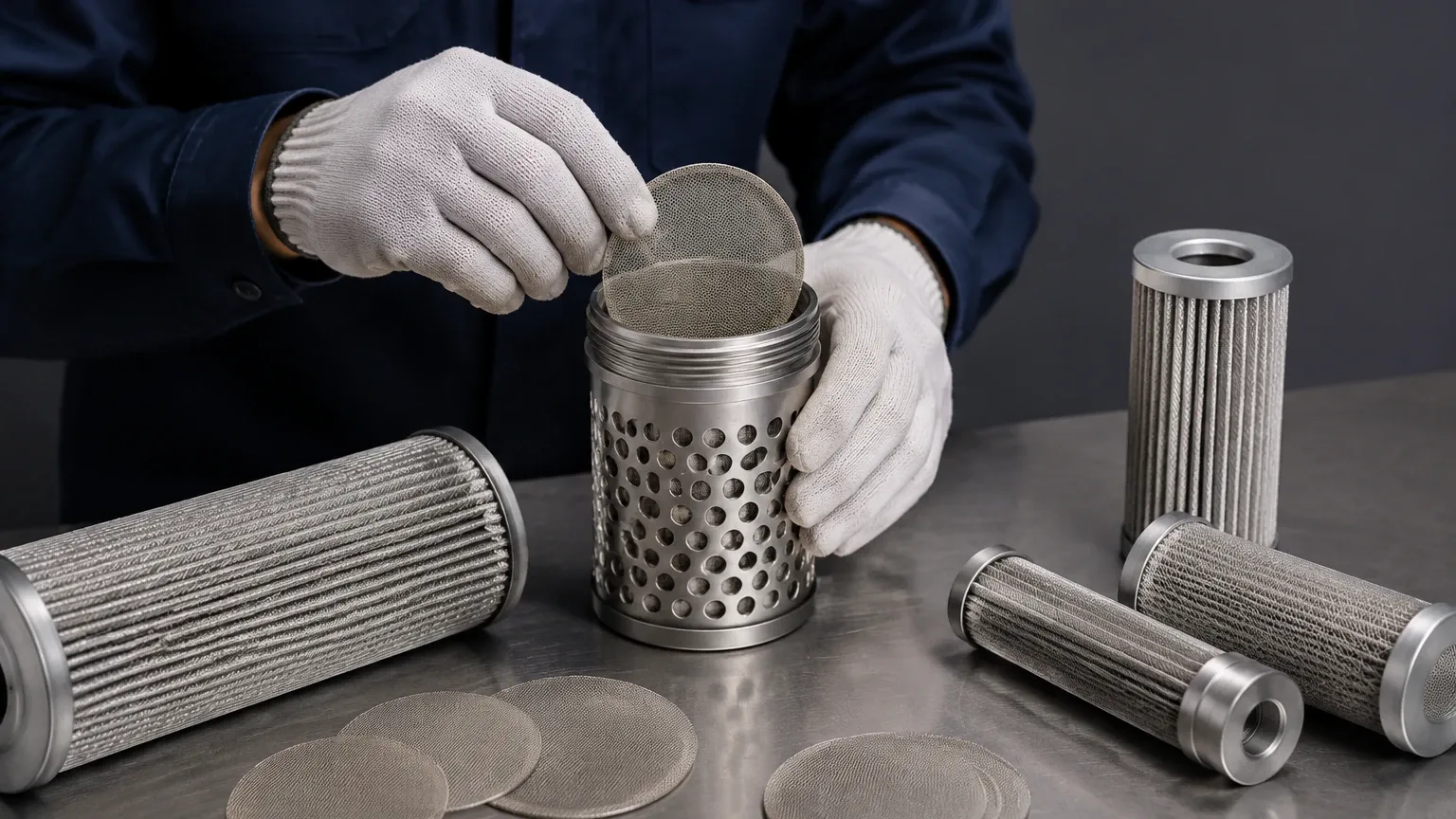
Filter discs and packs are typically constructed from multiple layers of stainless steel wire mesh. These layers are engineered to provide a graduated filtration effect, where coarser outer layers provide structural support and pre-filtration, while the finer internal layers determine the absolute or nominal micron rating. In U-filter assemblies, these packs must be manufactured to precise tolerances to prevent bypass—a condition where unfiltered fluid escapes around the edges of the filter element.
By utilizing advanced manufacturing techniques such as spot welding or aluminum/copper rimming, manufacturers like Kaifil ensure that these components can withstand high differential pressures without deforming. When planning a replacement, engineers must evaluate whether the existing pack design is optimized for the current fluid viscosity and contaminant load.
Engineering Criteria for Selecting Replacement Components
When executing a U filter replacement, simply matching the physical dimensions of the old filter is often insufficient. Technical professionals must consider several engineering parameters to ensure the new component performs as expected:
1. Micron Rating and Filtration Efficiency
Filtration efficiency is defined by the ability of the mesh to retain particles of a specific size. This is categorized into nominal and absolute ratings. For critical applications in the pharmaceutical or chemical sectors, absolute-rated filter discs are required to ensure that 99.9% of particles above a certain size are captured. During replacement, it is vital to verify if the process requirements have changed, which might necessitate a shift in the micron rating.
2. Mesh Weave Types
The weave pattern of the wire mesh significantly impacts flow resistance and cleaning capability. Common weaves include:
* Plain Weave: Suitable for high-flow, low-pressure applications.
* Dutch Weave: Offers higher strength and finer filtration, making it ideal for high-pressure U-filter systems.
* Twill Weave: Used for very fine filtration where a thicker mesh is required for durability.
3. Structural Integrity and Layering
Multi-layer filter packs are often sintered or welded together. Sintering involves bonding the wire contact points through heat and pressure, creating a rigid structure that does not migrate or shed fibers. For high-viscosity fluids like molten polymers, a sintered pack is often the preferred choice for a U filter replacement because it maintains its pore geometry under extreme stress.
Material Selection and Chemical Compatibility
The choice of material is perhaps the most significant factor in the longevity of a replacement filter. Stainless steel is the industry standard due to its mechanical strength and resistance to environmental degradation. However, the specific grade must be matched to the chemical environment.
* Stainless Steel 304: Suitable for general industrial applications where basic corrosion resistance is required.
* Stainless Steel 316/316L: Contains molybdenum, which provides superior resistance to chlorides and organic acids. This is the preferred material for marine, chemical processing, and food and beverage applications.
* Specialty Alloys: In highly corrosive environments involving high concentrations of sulfuric or hydrochloric acid, exotic alloys like Monel or Hastelloy may be integrated into the filter pack design.
During a U filter replacement, engineers should inspect the spent filter for signs of pitting, stress corrosion cracking, or general thinning. If the material shows signs of chemical attack, upgrading the metallurgy of the replacement pack can significantly extend the service interval and reduce the total cost of ownership.
Performance Indicators: When to Initiate a U Filter Replacement
Determining the optimal time for a filter replacement is a balance between protecting the system and maximizing the life of the consumable. Relying solely on a fixed calendar schedule can lead to premature replacement or, conversely, system failure due to clogging. Technical teams should monitor the following indicators:
Differential Pressure (Delta P)
The most reliable indicator for replacement is the pressure drop across the filter. As contaminants accumulate on the surface of the Filter Discs & Packs, the resistance to flow increases. Every system has a maximum allowable Delta P. Exceeding this limit can result in "media migration," where the pressure forces particles through the mesh, or even structural failure of the filter element itself.
Flow Rate Degradation
In constant-pressure systems, a noticeable drop in flow rate indicates that the filter media is reaching its dirt-holding capacity. If the flow rate falls below the threshold required for process efficiency, a replacement is mandatory.
Contaminant Breakthrough
Regular downstream sampling can reveal if a filter has been compromised. The presence of oversized particles in the effluent suggests that the filter media has been breached or that bypass is occurring due to a faulty seal or improper installation during the previous maintenance cycle.
Customization and OEM Solutions for Specialized Filtration
Many industrial systems utilize proprietary or non-standard filter housings that require specific geometries. In these instances, a standard off-the-shelf solution may not provide the necessary performance. Customization in U filter replacement components allows for the optimization of the filtration surface area and the structural reinforcement of the pack.
Kaifil specializes in manufacturing custom stainless steel filtration solutions, providing OEM-quality replacements that meet or exceed original specifications. Customization options include:
* Varied Rim Materials: Using aluminum, copper, or stainless steel rims to ensure a perfect seal within the housing.
* Specific Layer Configurations: Combining different mesh counts to create a depth-filtration effect tailored to a specific contaminant profile.
* Shape Variations: Beyond standard circular discs, packs can be manufactured in oval, rectangular, or complex geometric shapes to fit specialized U-filter chambers.
Working with a manufacturer that understands the engineering behind these components ensures that the replacement part is not just a physical fit, but a functional match for the application's demands.
Installation Best Practices and Operational Longevity
The successful execution of a U filter replacement does not end with the purchase of the part; proper installation is paramount. Even the highest-quality filter pack will fail if it is not seated correctly within the housing.
1. Housing Inspection: Before installing the new filter, the housing and sealing surfaces must be cleaned and inspected for scratches or debris. Any imperfection in the seal area can lead to bypass.
2. Orientation Matters: Many multi-layer filter packs are directional. Installing a pack upside down can lead to rapid clogging or structural collapse, as the support layers are not positioned to handle the flow direction.
3. Torque Specifications: If the filter is held in place by a mechanical assembly or flange, following the manufacturer’s torque specifications is essential. Over-tightening can deform the filter rim, while under-tightening allows for bypass.
4. Priming and Venting: After replacement, the system should be slowly filled and vented to remove trapped air. Air pockets can cause pressure spikes and uneven flow distribution, which stresses the filter media prematurely.
By following these technical guidelines and selecting high-quality Filter Discs & Packs, industrial operators can ensure that their U filter replacement procedures contribute to the overall efficiency, safety, and reliability of their production processes. Investing in precision-engineered components and rigorous maintenance protocols remains the most effective strategy for managing complex industrial filtration requirements.
