


Where to Buy Coffee Filter Packs
In the context of industrial food and beverage processing, the term "coffee filter packs" refers to high-precision stainless steel filtration components used in large-scale brewing, extraction, and commercial espresso systems. Unlike consumer-grade paper filters, industrial filter packs are engineered for durability, consistent flow rates, and the ability to withstand high pressures and temperatures. For engineers and procurement professionals, determining where to buy coffee filter packs requires a shift from retail sourcing to industrial manufacturing partnerships.
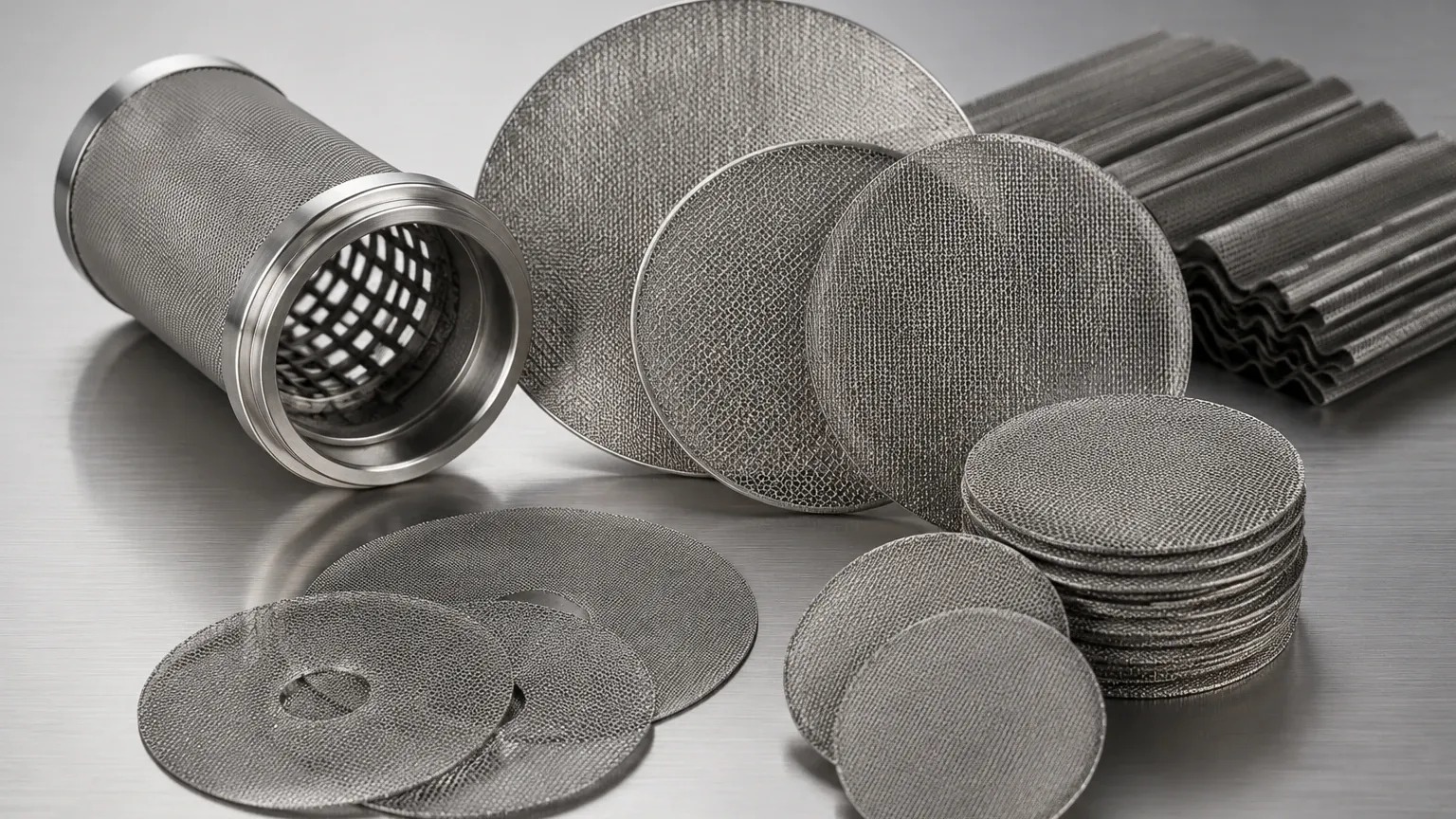
Selecting the right supplier involves evaluating technical capabilities, material certifications, and the ability to customize Filter Discs & Packs to meet specific equipment tolerances. This guide explores the technical landscape of industrial coffee filtration and the critical factors to consider when sourcing these essential components.
The Role of Stainless Steel in Commercial Coffee Filtration
Industrial coffee processing relies heavily on stainless steel wire mesh due to its mechanical strength and chemical stability. In large-scale extraction units, the filter must maintain its structural integrity under significant hydraulic pressure. While paper filters are common in home brewing, they are often insufficient for industrial applications where the goal is to extract specific oils and solids while maintaining a high throughput.
Stainless steel filter packs offer several advantages in a commercial setting:
* Consistency: Metal mesh provides a fixed pore size that does not expand or contract under heat, ensuring a repeatable extraction profile.
* Sustainability: Reusable metal filters reduce waste and long-term operational costs compared to single-use disposables.
* Flavor Retention: Unlike paper, which can absorb essential coffee oils, stainless steel allows the full spectrum of flavor compounds to pass through while effectively blocking fine particulates.
* Durability: These components are designed to withstand frequent cleaning cycles, including backwashing and ultrasonic cleaning.
Technical Specifications: What Defines a High-Quality Filter Pack?
When researching where to buy coffee filter packs, it is vital to understand the engineering specifications that dictate performance. A "pack" is rarely a single layer of mesh; it is often a composite structure designed for specific flow dynamics.
Material Selection
For food-grade applications, Type 304 and Type 316L stainless steel are the industry standards. Type 316L is frequently preferred for its superior resistance to corrosion, especially in environments where acidic coffee concentrates or harsh cleaning chemicals are present. The low carbon content in 316L also improves weldability, which is essential for the integrity of the filter rim.
Mesh Weave Types
The weave pattern determines the filtration accuracy and the pressure drop across the disc. Common weaves include:
* Plain Weave: Suitable for general filtration with high open areas.
* Dutch Weave: Provides a denser structure with higher filtration precision, often used for capturing extremely fine coffee silts.
* Twilled Weave: Used when a thicker mesh is required for added mechanical strength.
Multilayer Construction
Industrial filter packs often consist of multiple layers of wire mesh. A typical configuration might include a fine filtration layer protected by coarser support layers on both sides. This "sandwich" construction prevents the fine mesh from deforming under pressure and extends the service life of the component.
Sourcing Channels: Where to Buy Coffee Filter Packs for Industrial Use
Identifying the right source depends on the volume of production and the level of customization required. There are three primary channels for sourcing these components:
1. Direct from Manufacturers (OEM)
Buying directly from a manufacturer like Kaifil is the most effective route for engineering teams. Manufacturers provide the ability to specify exact diameters, micron ratings, and edge treatments. This path is essential for original equipment manufacturers (OEMs) who need to integrate specific filter packs into their proprietary brewing or extraction machinery. Direct sourcing also ensures traceability of materials and adherence to ISO quality standards.
2. Specialized Industrial Distributors
Distributors often stock standard sizes of stainless steel filter discs. While this offers faster lead times for common parts, it limits the ability to customize. Distributors are a viable option for MRO (Maintenance, Repair, and Operations) needs where the equipment uses standardized off-the-shelf components.
3. Custom Fabrication Shops
For highly specialized or experimental extraction systems, a custom fabrication shop can produce small batches of filter packs. However, these shops may lack the specialized clean-room environments or specialized welding equipment (such as plasma or ultrasonic welding) required for high-precision food-grade components.
Key Evaluation Criteria for Industrial Sourcing
Before finalizing a purchase agreement, procurement teams should evaluate potential suppliers based on several technical and operational benchmarks.
Filtration Accuracy (Micron Rating)
In coffee processing, the micron rating must be precisely matched to the grind size. If the mesh is too coarse, sediment will pass through, leading to a "muddy" product. If it is too fine, the filter will clog rapidly, increasing downtime. A professional manufacturer should offer a range of micron ratings, typically from 20 to 200 microns for coffee applications.
Edge Treatment and Integrity
The edges of a filter pack are a common point of failure. When considering where to buy coffee filter packs, ask about the edge finish. Options include:
* Spot Welded Edges: Economical and effective for many applications.
* Rimmed Edges: The mesh is encased in a metal U-binding (often aluminum or stainless steel). This provides a better seal within the filter housing and prevents fraying.
* Sintered Edges: The layers are fused together using heat and pressure, creating a monolithic structure that is extremely durable.
Compliance and Certification
Since these filters are in direct contact with food and beverage products, they must comply with international safety standards. Ensure the supplier can provide material test reports (MTRs) and confirm that the manufacturing process is free from contaminants like industrial lubricants or non-food-grade polishing agents.
Common Risks in Sourcing Metal Filter Packs
Low-cost sourcing often leads to long-term operational issues. Engineers should be aware of the following risks when selecting a supplier:
1. Material Substitution: Using lower-grade stainless steel that may rust over time, contaminating the coffee and damaging the equipment.
2. Inconsistent Pore Size: Poorly manufactured wire mesh may have irregular openings, leading to bypass (where large particles pass through) or localized clogging.
3. Weak Welds: If the layers of a pack are not securely bonded, they can delaminate under the pressure of a commercial brewing cycle, potentially sending metal fragments into the product stream.
4. Dimensional Inaccuracy: Even a millimeter of deviation in the diameter can prevent a proper seal, causing the fluid to bypass the filter entirely.
Total Cost of Ownership and Maintenance
While the initial cost of a stainless steel filter pack is higher than paper or plastic alternatives, the total cost of ownership (TCO) is significantly lower in industrial settings. A high-quality stainless steel disc can last for thousands of cycles if maintained correctly.
Cleaning Protocols
To maximize the lifespan of your filter packs, implement a rigorous cleaning schedule. In the coffee industry, oils (lipids) and proteins can build up on the mesh. Chemical cleaning with caustic-based solutions or enzymatic cleaners is common. The supplier should provide guidance on which chemicals are compatible with the specific grade of stainless steel used in the pack.
Replacement Cycles
Even the most durable metal filters will eventually experience fatigue or permanent fouling. Engineers should monitor the pressure differential (the difference in pressure before and after the filter). A steady increase in the baseline pressure differential indicates that the filter is reaching the end of its effective life and should be replaced to maintain production efficiency.
Information to Confirm Before Taking the Next Step
When contacting a manufacturer to buy coffee filter packs, have the following technical data ready to ensure an accurate quote and functional design:
* Dimensions: Exact outer diameter (OD) and, if applicable, inner diameter (ID).
* Layer Count: Whether you require a single layer or a multilayer pack.
* Micron Rating: The specific particle size you need to retain.
* Operating Environment: Maximum operating temperature and pressure.
* Quantity: Industrial manufacturers often have minimum order quantities (MOQs) but offer significant price breaks for high-volume production.
By focusing on these technical parameters and seeking out manufacturers with specialized expertise in Filter Discs & Packs, industrial buyers can ensure they receive components that enhance the efficiency and quality of their coffee processing operations. The right supplier is not just a vendor but a technical partner who understands the nuances of fluid dynamics and material science in the food and beverage industry.
