


Z Pak Filters
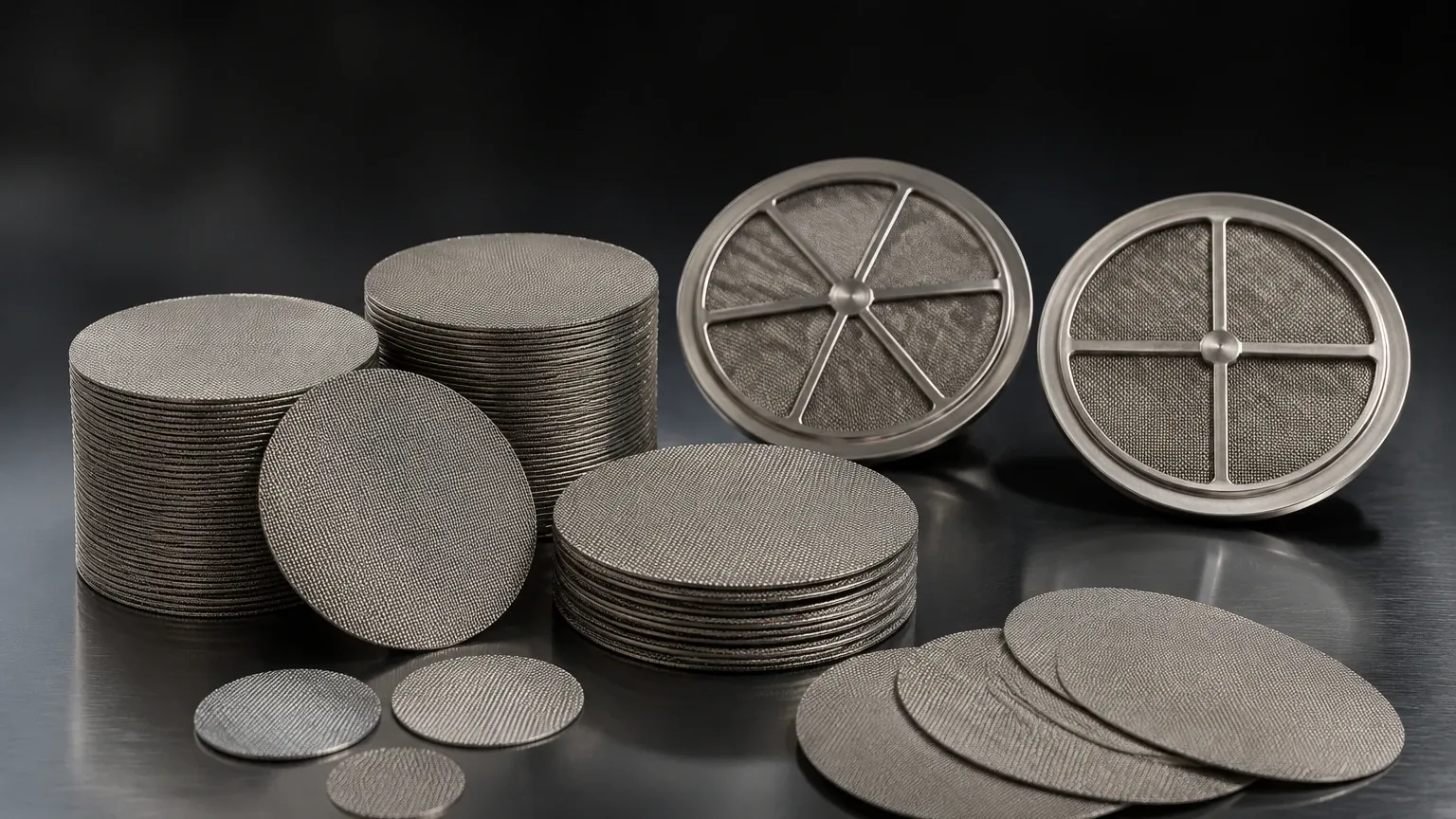
In the landscape of industrial filtration, the demand for components that can withstand extreme pressures while maintaining precise flow rates has led to the development of specialized configurations. Among these, z pak filters represent a high-performance evolution of standard filtration media. These components are engineered to provide significantly higher surface areas than traditional flat discs, making them indispensable in industries where downtime for filter changes directly impacts the bottom line. As a subset of Filter Discs & Packs, z pak filters are characterized by their pleated or multi-layered construction, designed to handle the rigors of polymer melt filtration, chemical processing, and high-viscosity fluid management.
For engineers and procurement professionals, understanding the technical nuances of these filters is essential for optimizing process efficiency. Selecting the right filtration component involves more than just matching a micron rating; it requires an analysis of material compatibility, mechanical strength, and the specific hydraulic demands of the application.
The Engineering Behind Z Pak Filters
The primary distinction of a z pak filter lies in its geometric configuration. Unlike a standard circular mesh disc, which offers a filtration area limited to its diameter, a z pak filter utilizes a pleated or "Z-fold" design. This architectural choice serves several critical functions in an industrial setting.
Increased Effective Filtration Area (EFA)
By pleating the wire mesh or metal fiber felt, manufacturers can fit a much larger surface area into the same housing diameter. This increased EFA reduces the flux—the volume of fluid passing through a given area of the filter media. Lower flux results in a lower initial pressure drop across the filter, which extends the service life of the component before it reaches its terminal pressure differential.
Structural Integrity and Pleat Support
In high-pressure applications, such as the extrusion of synthetic fibers or plastic resins, the filtration media is subjected to immense mechanical stress. Z pak filters are often constructed with support layers—coarser meshes placed on either side of the fine filtration layer. These support layers prevent the pleats from collapsing or "pinching off" under pressure, ensuring that the entire surface area remains active throughout the production cycle.
Edge Sealing and Construction
To prevent bypass—where unfiltered fluid escapes around the edges of the filter—z pak filters utilize robust sealing methods. Depending on the operating temperature and chemical environment, these may include resistance welding, plasma welding, or the use of specialized aluminum or stainless steel rims. The integrity of this seal is paramount, as even a microscopic gap can compromise the purity of the final product.
Material Selection for Demanding Environments
The performance of z pak filters is heavily dependent on the alloys used in their construction. Because these filters are frequently used in corrosive or high-temperature environments, stainless steel is the industry standard. However, the specific grade of stainless steel must be chosen based on the chemical profile of the process fluid.
1. Stainless Steel 304: Suitable for general industrial applications where basic corrosion resistance and high mechanical strength are required. It is commonly used in food and beverage filtration or standard hydraulic systems.
2. Stainless Steel 316L: The "L" denotes low carbon content, which improves weldability and resistance to intergranular corrosion. 316L is the preferred choice for chemical processing and pharmaceutical applications where the filter is exposed to acids, salts, or high-purity requirements.
3. Specialty Alloys: In extreme cases involving highly aggressive chemicals or temperatures exceeding 400°C, alloys like Inconel or Hastelloy may be employed. These materials offer superior resistance to oxidation and stress-corrosion cracking.
Beyond the alloy, the type of filtration media within the pack is equally important. Options include woven wire mesh, which provides precise pore sizes and is easily cleanable, and sintered metal fiber felt, which offers high porosity and excellent dirt-holding capacity for depth filtration.
Performance Metrics: Accuracy and Flow Dynamics
When evaluating z pak filters, technical teams must focus on the interplay between filtration accuracy and flow dynamics. In the context of Filter Discs & Packs, several metrics define the suitability of a component for a specific task.
Micron Rating: Absolute vs. Nominal
It is critical to distinguish between nominal and absolute micron ratings. A nominal rating refers to the ability of the filter to retain a major percentage (usually 60% to 90%) of particles of a certain size. An absolute rating, common in precision wire mesh filters, indicates that 99.9% of particles larger than the specified micron size will be captured. For critical applications like film extrusion or nozzle protection, absolute ratings are mandatory to prevent defects.
Pressure Drop (ΔP)
The pressure drop is the difference in pressure between the upstream and downstream sides of the filter. A well-designed z pak filter minimizes the initial ΔP. As the filter captures contaminants, the ΔP rises. Monitoring this curve allows operators to predict when the filter will reach its "blinded" state, allowing for scheduled maintenance rather than emergency shutdowns.
Dirt Holding Capacity (DHC)
DHC refers to the total mass of contaminants a filter can retain before the pressure drop becomes unacceptable. The pleated design of z pak filters inherently provides a higher DHC than flat discs, making them more cost-effective in processes with high particulate loads.
Applications in Polymer and Chemical Processing
The unique properties of z pak filters make them particularly effective in sectors where fluid purity is tied to product quality.
Polymer Melt Filtration
In the production of polyester, nylon, and specialty plastics, the polymer must be filtered in a molten state at high temperatures and pressures. Any gel particles, degraded polymer, or external contaminants can cause breaks in fiber spinning or holes in thin-film production. Z pak filters are used in the "spin pack" or melt pump assembly to provide the final stage of precision filtration.
Chemical and Petrochemical Refining
Chemical reactors often require the removal of catalysts or impurities from aggressive solvents. The high surface area of these filters allows for high-throughput processing without the need for frequent element changes, which is vital for continuous-flow chemical plants.
Hydraulic and Lubrication Systems
In heavy machinery, maintaining oil cleanliness is essential for preventing component wear. Z pak configurations are used in high-pressure hydraulic lines where space is limited but high filtration efficiency is required to protect sensitive valves and actuators.
Selection Criteria for Industrial Procurement
For purchasing departments and engineers, selecting a supplier for z pak filters involves verifying several technical capabilities. Because these are often custom-engineered components, a one-size-fits-all approach is rarely successful.
* Customization Capabilities: Can the manufacturer adjust the pleat count, depth, and diameter to fit existing hardware? Customization is often necessary to optimize the balance between flow rate and filtration life.
* Quality Documentation: For industries like pharmaceuticals or food processing, material traceability and certificates of conformance are non-negotiable. Suppliers should provide documentation verifying the grade of stainless steel and the accuracy of the mesh weave.
* Cleaning and Reusability: One of the primary advantages of stainless steel z pak filters is their ability to be cleaned and reused. Methods such as ultrasonic cleaning, chemical bath, or controlled burnout can restore the filter to near-original performance. Procurement teams should evaluate the "total cost of ownership," considering that a higher initial investment in a durable, cleanable filter often yields better long-term value than disposable alternatives.
* OEM Compatibility: Many industrial systems are designed around specific OEM filter dimensions. A reliable manufacturer of Filter Discs & Packs should be able to produce drop-in replacements that meet or exceed the original equipment specifications.
Maintenance and Replacement Cycles
Maintaining the efficiency of z pak filters requires a disciplined approach to monitoring and cleaning. Because these filters are often buried deep within complex machinery, premature failure can be costly.
Monitoring the Delta P
The most effective way to manage filter life is through continuous monitoring of the pressure differential. Modern extrusion and chemical lines utilize sensors to track ΔP in real-time. A sudden spike in pressure may indicate a process upset, while a gradual rise suggests normal contaminant loading.
Signs of Mechanical Fatigue
During the cleaning process, filters should be inspected for signs of pleat deformation, mesh shifting, or compromised welds. If a z pak filter shows signs of "telescoping" (where the pleats are pushed downstream), it may indicate that the operating pressure exceeded the filter's structural limits or that the support layers were insufficient.
Optimized Cleaning Protocols
Over-cleaning or using overly aggressive chemicals can degrade the stainless steel mesh. It is recommended to establish a cleaning protocol based on the specific contaminant. For example, polymer residues may require thermal cleaning, while inorganic scales are better handled with acidic or alkaline baths. Proper cleaning ensures that the z pak filters maintain their permeability over multiple cycles.
Conclusion
Z pak filters represent a critical intersection of material science and mechanical engineering. By maximizing surface area and utilizing the inherent strengths of stainless steel wire mesh, these components allow industrial processes to run longer, cleaner, and more efficiently. Whether used in the delicate extrusion of medical-grade tubing or the heavy-duty filtration of industrial chemicals, the choice of a z pak filter is a choice for process stability. When sourcing these components, focusing on technical specifications—such as absolute micron ratings, material grades, and structural support—ensures that the filtration system will perform reliably under the most demanding conditions.
