


Z Pack Filter
In high-pressure industrial filtration, the efficiency of a system often depends on the geometry and structural integrity of the filter media. The z pack filter represents a specialized configuration within the broader category of Filter Discs & Packs, engineered specifically to handle the rigorous demands of polymer extrusion, chemical processing, and synthetic fiber production. Unlike standard single-layer screens, these multi-layer assemblies are designed to provide graduated filtration, structural support, and high dirt-holding capacity in environments where downtime is costly.
For engineers and procurement professionals, understanding the technical nuances of the z pack filter is essential for optimizing production throughput and protecting downstream equipment. This article examines the engineering principles, material considerations, and application-specific selection criteria for these critical filtration components.
Engineering Principles of the Z Pack Filter
The "Z" designation in these filter packs typically refers to a specific arrangement or pleating style of the wire mesh layers, or more commonly, a multi-stage depth filtration sequence that mimics the efficiency of a Z-pattern flow. The primary goal of a z pack filter is to maximize the effective filtration area within a constrained diameter, such as a breaker plate or a spin pack assembly.
Multi-Layer Construction
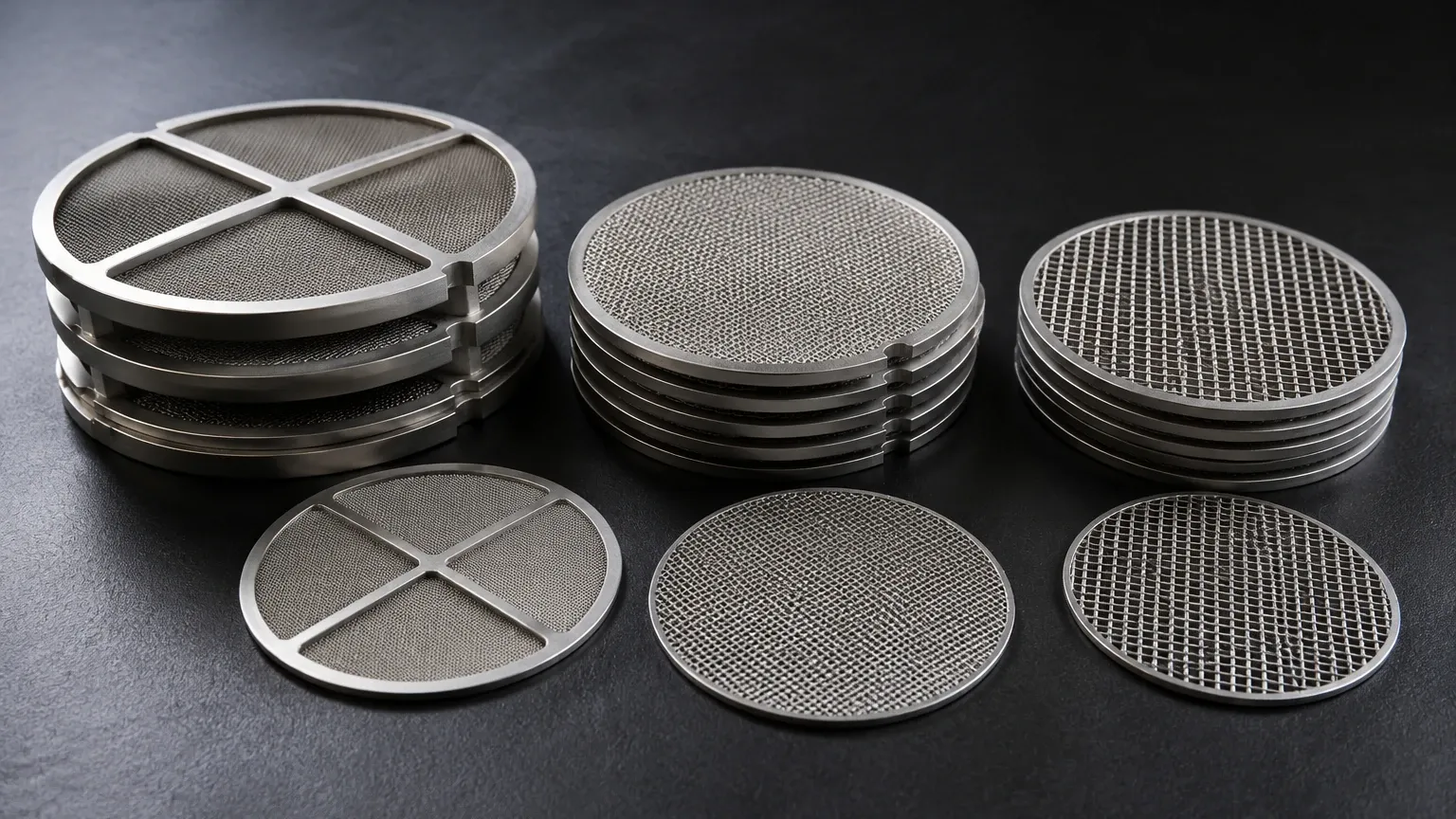
A standard z pack filter is rarely a single sheet of mesh. Instead, it is a composite of several layers, each serving a distinct mechanical or functional purpose:
1. Filtration Layer: The core of the pack, usually a fine Dutch weave or twilled weave stainless steel mesh, determines the micron rating. This layer captures the targeted particulate matter.
2. Support Layers: Coarser mesh layers are placed on either side of the filtration layer. These prevent the fine mesh from deforming under high differential pressure (ΔP).
3. Drainage/Distribution Layers: These layers ensure that the fluid—whether it is molten polymer or a chemical solvent—is distributed evenly across the entire surface of the filtration layer, preventing localized clogging and extending the service life of the pack.
Structural Integrity and Binding
To ensure the layers remain aligned during installation and operation, z pack filters are often bound at the edges. Common methods include spot welding for simpler applications or the use of an aluminum, copper, or stainless steel rim (binding). The choice of rim material must be chemically compatible with the process fluid and capable of withstanding the operating temperature without losing its seal.
Material Selection and Chemical Compatibility
Because z pack filters are frequently used in corrosive or high-temperature environments, material selection is the most critical factor in the engineering phase. Kaifil utilizes high-grade alloys to ensure the longevity of Filter Discs & Packs.
Stainless Steel Grades
* AISI 304: The standard choice for general industrial applications. It offers good corrosion resistance and mechanical strength at a cost-effective price point.
* AISI 316/316L: Preferred for pharmaceutical and chemical processing due to the addition of molybdenum, which enhances resistance to pitting and chloride corrosion. The "L" (low carbon) version is essential if the filter pack will be subjected to welding, as it prevents carbide precipitation.
* Specialty Alloys: For extreme environments involving highly acidic or alkaline fluids, alloys like Hastelloy or Inconel may be specified to prevent premature failure of the wire mesh.
Wire Mesh Weave Types
The performance of a z pack filter is heavily influenced by the weave of the wire mesh. Plain weave is common for support layers, while Dutch weave (Plain or Twilled) is the industry standard for high-precision filtration. Dutch weaves offer a higher density of wires, creating a tortuous path that effectively captures irregularly shaped contaminants like gels in polymer melts.
Applications in Polymer and Fiber Production
The most demanding application for the z pack filter is in the extrusion of polymers and the spinning of synthetic fibers (such as polyester, nylon, and polypropylene). In these processes, the filter pack is the final line of defense before the material enters the spinneret or die.
Gel Removal and Shear Sensitivity
In polymer processing, "gels"—cross-linked polymers that haven't fully melted—can cause defects in the final product, such as streaks in film or breakage in fine filaments. A correctly engineered z pack filter provides the necessary shear to break down or capture these gels without causing an excessive pressure drop that could degrade the polymer chain.
High-Pressure Performance
Extrusion systems often operate at pressures exceeding 3,000 PSI. A z pack filter must maintain its pore size and shape under these conditions. If the mesh layers shift or compress (a phenomenon known as blinding), the filtration efficiency drops, and the risk of "media migration"—where bits of the filter itself enter the product stream—increases.
Performance Evaluation: Beyond Micron Ratings
When specifying a z pack filter, engineers often focus solely on the micron rating. However, in a B2B industrial context, several other performance metrics are equally vital for total cost of ownership (TCO) calculations.
Dirt-Holding Capacity (DHC)
DHC refers to the amount of contaminant a filter can retain before the pressure drop reaches a critical limit. A z pack configuration, by utilizing multiple layers of varying mesh counts, creates a "depth" effect. Larger particles are caught by the outer layers, while finer particles reach the inner layers. This prevents the surface blinding common in single-layer discs and significantly extends the time between filter changes.
Flow Resistance and Pressure Drop
Every filter introduces a resistance to flow. An optimized z pack filter balances filtration fineness with permeability. If the resistance is too high, the pump must work harder, increasing energy costs and potentially leading to thermal degradation of the fluid. Technical teams should evaluate the "clean pressure drop" versus the "terminal pressure drop" to determine the most efficient replacement cycle.
Cleanability and Reuse
In many industrial sectors, stainless steel Filter Discs & Packs are designed to be cleaned and reused. Methods such as ultrasonic cleaning, pyrolysis (for polymer removal), or chemical baths can restore the pack's performance. However, the structural design of the z pack filter must be robust enough to withstand these cleaning processes without compromising the mesh integrity.
Customization and Technical Specifications
No two industrial processes are identical, which is why customization is a hallmark of professional filtration solutions. When ordering a z pack filter, the following parameters must be confirmed to ensure compatibility:
1. Outer Diameter (OD) and Inner Diameter (ID): Precision tolerances are required to ensure the pack fits securely in the filter housing or breaker plate without bypass.
2. Total Thickness: The stack height of the multi-layer pack must be compatible with the equipment's sealing mechanism.
3. Layer Sequence: A typical specification might read: *20 mesh / 60 mesh / 100×600 Dutch weave / 60 mesh / 20 mesh*. This indicates a symmetrical support structure around a fine filtration core.
4. Rim Type: Options include folded edges, compressed edges, or metal-bound rims. The rim prevents fluid from bypassing the mesh at the edges of the housing.
Common Risks and Mitigation Strategies
Implementing a sub-optimal filtration solution can lead to significant operational risks. Engineers should be aware of the following:
* Bypass Leakage: If the filter pack is not sized correctly or if the rim is poorly constructed, unfiltered fluid can leak around the edges. This is often caused by thermal expansion differences between the filter pack and the housing.
* Media Migration: In low-quality packs, individual wires can break off and enter the process stream. High-quality sintering or secure edge binding is necessary to mitigate this risk.
* Pressure Spikes: A sudden increase in pressure often indicates that the filter has reached its terminal dirt-holding capacity. Automated monitoring systems should be calibrated based on the specific flow characteristics of the z pack filter being used.
Conclusion: Selecting the Right Filtration Partner
The selection of a z pack filter is a technical decision that impacts the quality of the end product and the efficiency of the entire production line. By focusing on material grade, layer configuration, and structural binding, engineering teams can ensure they are using a component that meets the specific demands of their application.
As a professional manufacturer, Kaifil provides a wide range of Filter Discs & Packs tailored to industrial requirements. Whether you are dealing with high-viscosity polymer melts or corrosive chemical solvents, selecting a filter pack with the correct engineering specifications is the first step toward optimized filtration performance and reduced operational costs. Before finalizing a purchase, always confirm the mechanical limits, chemical compatibility, and expected service life with your technical supplier to ensure the chosen solution aligns with your system's operational parameters.
