


Air Tank Storage
In industrial compressed air systems, air tank storage—often referred to as an air receiver—is a critical component that serves as more than just a reservoir. It acts as a pressure buffer, a cooling mechanism, and a primary moisture separator. For engineers and facility managers, understanding the technical nuances of air tank storage is essential for optimizing system efficiency, reducing wear on compressor components, and ensuring the longevity of downstream equipment.
Effective air tank storage requires a strategic approach to sizing, material selection, and, most importantly, filtration. Without proper integration of these elements, a storage system can become a source of contamination and energy loss. This guide examines the engineering considerations and maintenance protocols necessary for high-performance industrial air storage.
The Functional Role of Air Tank Storage in Industrial Systems
Air tank storage performs several vital functions that stabilize the entire compressed air network. Its primary purpose is to provide a buffer that balances the supply from the compressor with the fluctuating demand of the production line.
Pressure Stabilization
Without a storage vessel, a compressor would be forced to cycle on and off (or load and unload) every time a pneumatic tool or machine is activated. This frequent cycling leads to excessive mechanical wear and inefficient energy consumption. Air tank storage allows the compressor to operate in longer, more efficient cycles, maintaining a steady system pressure even during peak demand periods.
Pulsation Dampening
Reciprocating compressors, in particular, produce air in pulses. These pulsations can cause vibration and stress on piping systems. The air receiver acts as a dampener, absorbing these pulses and providing a smooth, continuous flow of air to the distribution network.
Preliminary Moisture Separation
As compressed air enters the tank, its velocity decreases, and it begins to cool. This drop in temperature causes water vapor to condense into liquid droplets. While the tank is not a substitute for a dedicated air dryer, it serves as an initial stage of moisture removal, provided it is equipped with a reliable drainage system.
Engineering and Sizing Criteria for Air Receivers
Sizing air tank storage is not a matter of "bigger is better." An oversized tank can lead to long startup times and unnecessary capital expenditure, while an undersized tank results in rapid cycling and pressure drops.
Calculation Fundamentals
The standard formula for sizing an air receiver involves calculating the required volume (V) based on the compressor's capacity (C), the cycle time, and the allowable pressure differential (P1 – P2). A common industrial rule of thumb is to provide 3 to 4 gallons of storage for every Cubic Foot per Minute (CFM) of compressor output. However, for systems with high-demand intermittent loads, this ratio may need to be significantly higher.
Pressure Ratings and Compliance
Air tanks are pressure vessels and must be manufactured to specific engineering standards, such as the ASME (American Society of Mechanical Engineers) Section VIII code. It is imperative to confirm that the tank’s Maximum Allowable Working Pressure (MAWP) exceeds the maximum output pressure of the compressor by a safe margin, typically at least 10% to 20%.
The Critical Role of Filtration in Storage Systems
Contamination is the primary enemy of air tank storage. Ambient air contains dust, hydrocarbons, and water vapor, all of which are concentrated during the compression process. If these contaminants are not managed, they accumulate in the storage tank, leading to corrosion and downstream equipment failure.
Pre-Storage Filtration
Installing a particulate filter before the air enters the storage tank can prevent large debris and oil aerosols from coating the internal surfaces of the vessel. For specialized applications, such as those in chemical processing or food and beverage production, stainless steel filter cartridges are preferred due to their chemical compatibility and resistance to high temperatures. For detailed technical specifications on custom filtration components, engineers can consult the Main Page for a comprehensive overview of available solutions.
Post-Storage Filtration
While the tank helps remove some moisture, it can also become a breeding ground for scale and rust if the internal lining fails. Post-storage filtration ensures that any particulates generated within the tank do not reach sensitive pneumatic components. Utilizing high-precision wire mesh filters at the tank outlet provides a final barrier against solid contaminants.
Managing Condensate and Corrosion Risks
One of the most significant challenges in air tank storage is the management of condensate. When air cools inside the tank, water collects at the bottom. This water is often acidic and mixed with compressor lubricants, creating a corrosive slurry.
Material Selection: Stainless Steel vs. Carbon Steel
Traditional air receivers are made of carbon steel with internal epoxy coatings. However, in demanding environments—such as pharmaceutical or marine applications—the risk of coating failure and subsequent corrosion is too high. In these instances, 304 or 316L stainless steel storage tanks and filtration housings are the industry standard. Stainless steel offers superior corrosion resistance and eliminates the risk of rust particles entering the air stream.
Automatic Drainage Systems
Manual draining is often overlooked in busy industrial environments. To maintain the effective volume of the air tank storage and prevent water carryover, automatic drain valves are essential. Electronic timed drains or zero-loss demand drains ensure that condensate is removed promptly without wasting compressed air.
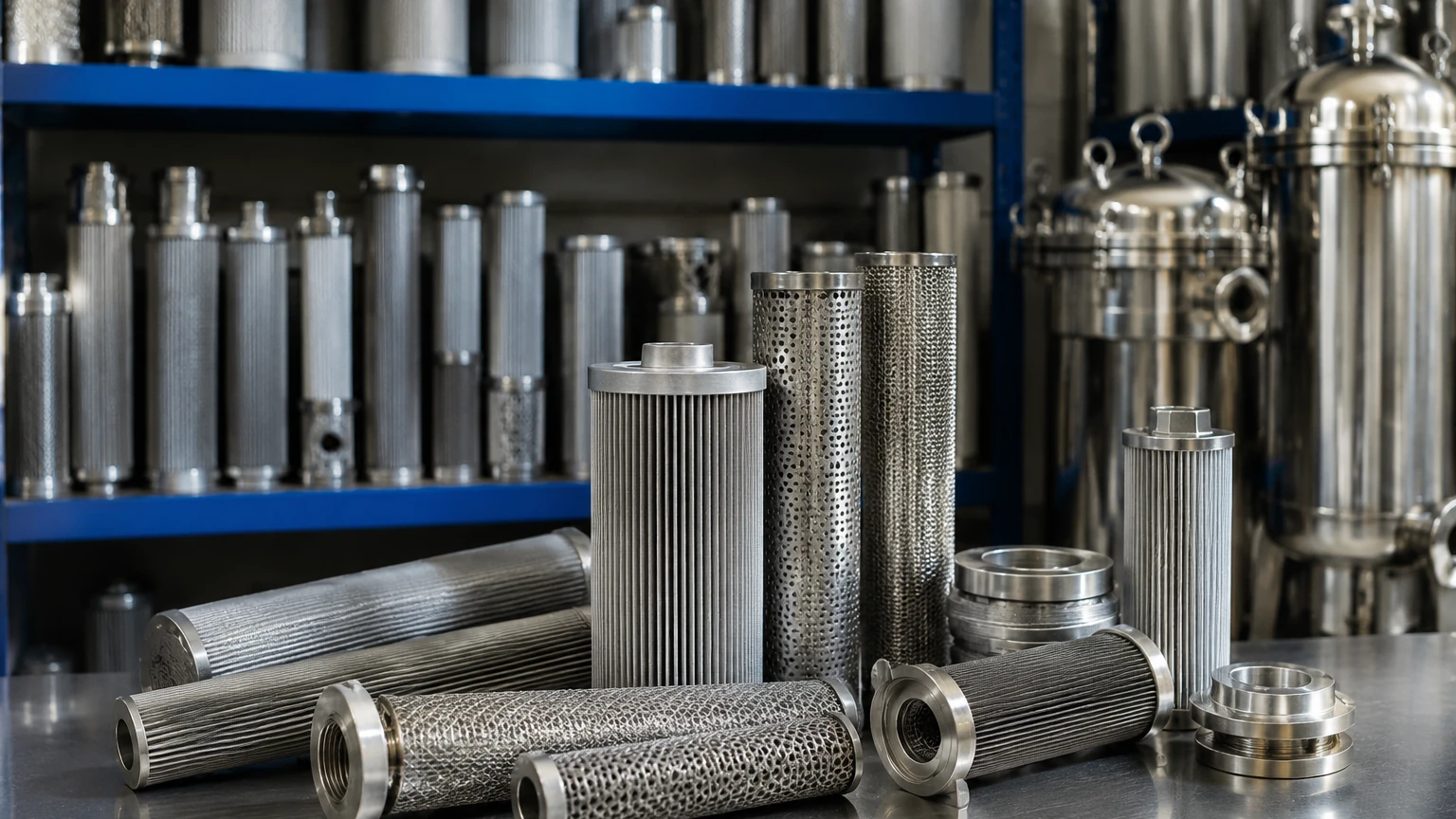
Customization and OEM Solutions for Filtration Components
Every industrial environment has unique requirements for air quality and system configuration. Standard off-the-shelf filters may not always meet the specific micron ratings or flow characteristics required for specialized air tank storage setups.
Tailored Filtration Accuracy
Depending on the sensitivity of the downstream application, filtration accuracy can range from coarse 100-micron pre-filters to ultra-fine 0.01-micron coalescing filters. Custom-manufactured stainless steel wire mesh filters allow for precise control over pressure drop and filtration efficiency, ensuring that the storage system does not become a bottleneck.
Durability in Demanding Environments
In sectors like hydraulic systems or chemical processing, filters must withstand aggressive fluids and high-pressure differentials. OEM filtration solutions focus on robust construction, utilizing advanced welding techniques and high-grade alloys to ensure the filter element remains intact under the stresses of air tank storage cycles.
Safety Compliance and Maintenance Protocols
Safety is paramount when dealing with pressurized air tank storage. A failure in a pressure vessel can be catastrophic. Regular maintenance and adherence to safety protocols are non-negotiable.
1. Pressure Relief Valves (PRVs): Every storage tank must be equipped with a PRV sized to handle the full capacity of the compressor. These valves should be tested periodically to ensure they lift at the set pressure.
2. Internal Inspections: Periodic ultrasonic thickness testing or visual internal inspections (via manways or handholes) should be performed to check for signs of corrosion or pitting.
3. Filter Element Replacement: Clogged filters increase the pressure drop, forcing the compressor to work harder and increasing energy costs. Differential pressure gauges should be monitored to determine the optimal replacement cycle for filter cartridges.
4. Vibration Monitoring: Ensure the tank is mounted on a stable foundation with vibration isolation pads to prevent stress fractures in the piping or the tank shell.
Conclusion
Air tank storage is a foundational element of any efficient compressed air system. By acting as a buffer, cooler, and separator, it protects the compressor and ensures a steady supply of energy to the production line. However, the performance of these tanks is inextricably linked to the quality of the filtration and maintenance protocols in place.
Selecting the right materials—such as stainless steel for corrosive environments—and integrating high-precision filtration components are essential steps for any engineer. By focusing on technical accuracy in sizing and a proactive approach to contamination control, industrial facilities can achieve a reliable, cost-effective, and safe air storage solution that meets the demands of modern manufacturing. For those seeking to optimize their filtration strategy within these systems, reviewing specialized metal filtration options is the best next step in ensuring system integrity.
