


Bag Filter Cage
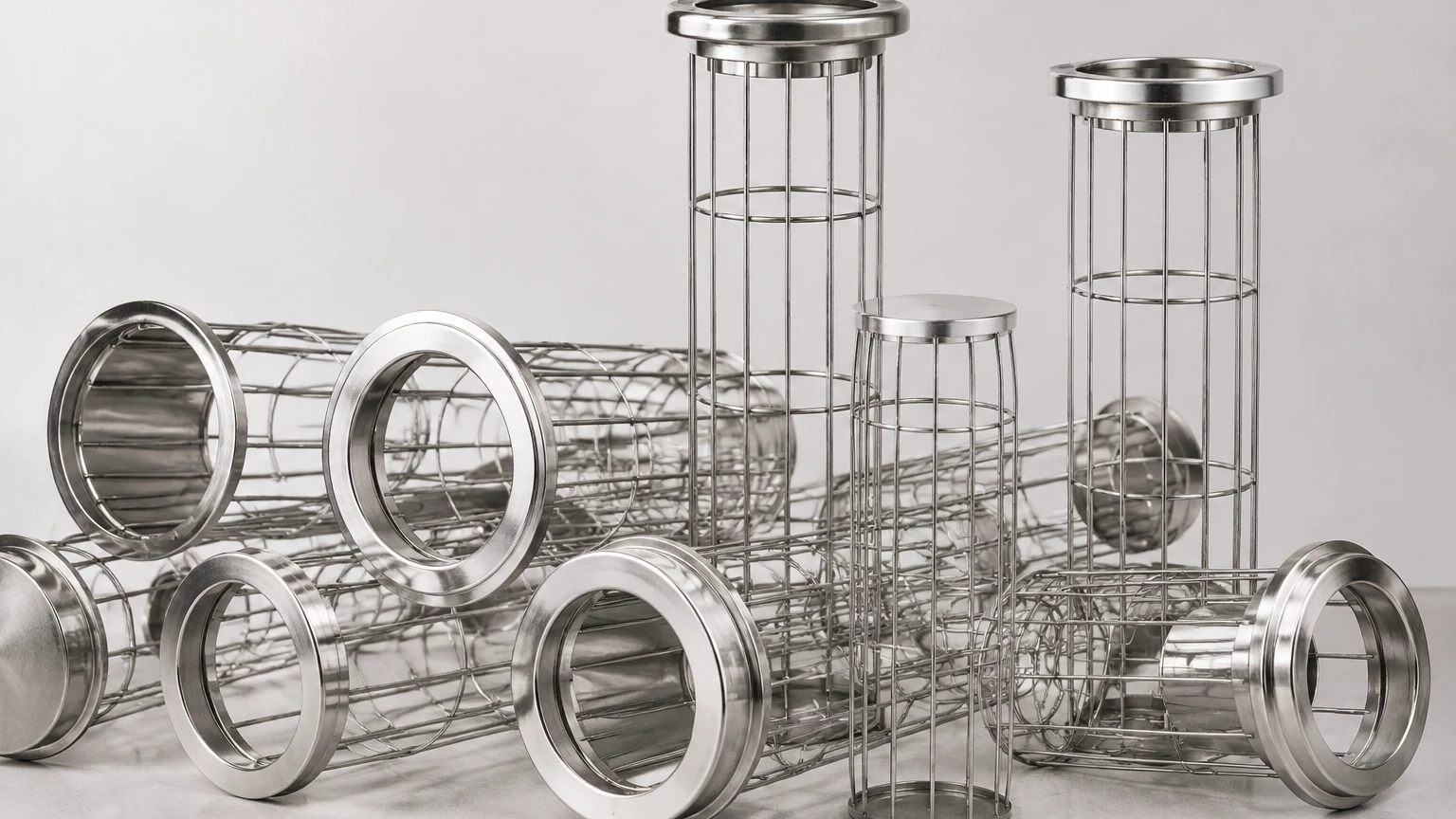
In industrial dust collection and filtration systems, the efficiency of the entire operation often hinges on components that remain out of sight. While the filter bag is the primary medium for capturing particulate matter, its performance and longevity are inextricably linked to the structural support provided by the bag filter cage. As a critical internal framework, the cage ensures that the filter bag remains open and functional during the filtration cycle and withstands the mechanical stresses of the cleaning process.
For engineers and procurement professionals, selecting the correct bag filter cage is not merely a matter of matching dimensions. It involves a deep understanding of material science, structural engineering, and the specific environmental conditions of the application. Whether used in chemical processing, pharmaceutical manufacturing, or power generation, the cage must be designed to prevent bag collapse, minimize mechanical wear, and resist the corrosive or thermal demands of the process stream.
Understanding the Functional Importance of Bag Filter Cages
The primary role of a bag filter cage is to provide a rigid skeleton for the filter bag. In pulse-jet dust collectors, air flows from the outside of the bag to the inside. Without a robust internal support, the pressure differential would cause the bag to collapse, effectively sealing off the filtration surface and halting the process.
Beyond simple support, the cage plays a vital role during the cleaning cycle. Pulse-jet systems utilize a high-pressure burst of compressed air to dislodge the dust cake from the exterior of the bag. This pulse causes the bag to expand rapidly away from the cage and then snap back. If the cage is not engineered with precision, this repeated motion can lead to mechanical fatigue of the bag fabric, especially at the points of contact with the vertical wires. A well-designed cage minimizes this friction, extending the service life of expensive filter media and reducing the frequency of maintenance shutdowns.
Material Engineering and Corrosion Resistance
Material selection is the most significant factor in determining the lifespan of a bag filter cage. The choice of metal must align with the chemical composition of the gas or liquid being filtered, as well as the operating temperature.
1. Carbon Steel: This is the most common material for standard industrial applications where moisture and corrosive gases are minimal. To prevent rust during storage and early operation, carbon steel cages are typically treated with coatings.
2. Stainless Steel (304, 316, 316L): In environments involving high humidity, acid gases, or stringent hygiene requirements—such as in food and beverage or pharmaceutical industries—stainless steel is the industry standard. As a manufacturer specializing in custom stainless steel filtration solutions, Kaifil emphasizes the use of high-grade alloys to ensure the structural integrity of the Main Page components in aggressive chemical environments.
3. Specialty Alloys: For extreme temperatures or highly acidic conditions, materials like Hastelloy or galvanized steel with specialized coatings may be required.
Surface treatments further enhance the durability of the cage. Common options include:
* Galvanization: Provides a sacrificial zinc layer to prevent oxidation in mildly corrosive settings.
* Epoxy Coating: Offers excellent resistance to chemicals and moisture, though it may have temperature limitations.
* Organosilicon Coating: Often used in high-temperature applications (up to 250°C), this coating provides a smooth, non-stick surface that reduces friction between the bag and the cage.
Structural Design: Wire Count and Ring Spacing
The geometry of a bag filter cage is defined by its vertical wires and horizontal support rings. These elements must be balanced to provide maximum support with minimum interference to the airflow.
Vertical Wire Count
The number of vertical wires (typically ranging from 8 to 24) is a critical specification. A higher wire count provides better support for the filter bag, reducing the "sagging" of the fabric between the wires. This is particularly important for felted media, which can be prone to stretching. By maintaining a more circular bag profile, a high wire count ensures more even distribution of the dust cake and more effective cleaning during the pulse-jet cycle. However, more wires also increase the weight and cost of the cage, so engineers must determine the optimal count based on the bag material and diameter.
Ring Spacing
Horizontal rings are welded to the vertical wires to prevent the cage from bowing or deforming under pressure. Standard ring spacing is usually 150mm to 200mm, but this can be tightened in high-pressure applications. The precision of these welds is paramount; any burrs or sharp edges at the intersection of the wire and the ring can cause immediate abrasive damage to the filter bag, leading to premature failure and particulate leakage.
Top and Bottom Cap Configurations
The interface between the cage and the dust collector's cell plate is managed by the top cap. This component must ensure a gas-tight seal to prevent bypass—where unfiltered air escapes around the bag.
* Venturi Integrated Tops: A Venturi is often used to optimize the pulse-jet cleaning action by accelerating the compressed air and drawing in additional ambient air. Integrating the Venturi into the cage top simplifies installation and ensures perfect alignment with the pulse pipe.
* Flange and Ring Tops: These are standard designs where the cage is suspended from the cell plate. The design must match the specific snap-band or clamp mechanism of the filter bag.
* Bottom Caps: The bottom of the cage is usually sealed with a flat or dished cap. It is essential that the bottom cap is securely welded and free of sharp edges, as the bottom of the filter bag often experiences significant mechanical stress during the cleaning pulse.
Challenges with Height: Split Cages
In many industrial facilities, the overhead clearance above the dust collector is limited, making it impossible to install or remove a single-piece cage that may be 6 or 8 meters long. In these instances, split cages are utilized.
Split cages consist of two or more sections that are joined during installation. The joint design is a critical failure point; it must be easy to assemble while remaining perfectly rigid once installed. Common joint types include:
* Claw Joints: A simple interlocking mechanism secured with a slide.
* Threaded or Bolted Joints: Provide high rigidity but require more time for installation.
* Slide-lock Joints: Utilize a sleeve that slides over the connection point to maintain alignment.
Engineers must ensure that the joint does not create a protrusion that could wear against the filter bag or a gap that allows the cage to flex excessively.
Quality Standards and Welding Integrity
For a bag filter cage, the quality of the weld is the most important technical metric. Most high-quality cages are manufactured using automated spot-welding machines. This process ensures that every contact point between the vertical wires and the rings is fused with consistent strength and without the heat-induced deformation associated with manual welding.
When evaluating a supplier, technical teams should confirm:
* Weld Smoothness: There should be no weld splatter or sharp protrusions. Even a microscopic burr can act like a knife against the synthetic fibers of a filter bag.
* Dimensional Tolerance: The cage must be perfectly straight. A bowed cage will put uneven tension on the filter bag, leading to localized wear and reduced filtration efficiency.
* Vertical Alignment: The vertical wires must be parallel to ensure the filter bag inflates and deflates uniformly.
Selection Criteria for Industrial Applications
Choosing the right bag filter cage requires a holistic view of the filtration system. Before procurement, the following factors should be confirmed:
1. Operating Temperature: Does the material and coating withstand the peak and continuous operating temperatures? For example, carbon steel may lose structural integrity or oxidize rapidly at temperatures where stainless steel remains stable.
2. Chemical Compatibility: Are there acidic or alkaline vapors in the gas stream? This will dictate whether a 316L stainless steel cage or a specialized epoxy coating is necessary.
3. Bag Material: Thin or delicate bag materials require cages with higher wire counts to prevent excessive flexing and mechanical fatigue.
4. Cleaning Pressure: High-pressure pulse systems require more robust cages with thicker wire diameters (typically 3mm to 5mm) to resist deformation.
5. Total Cost of Ownership: While a carbon steel cage may have a lower initial purchase price, the cost of frequent bag replacements due to cage corrosion or poor weld quality often makes high-quality stainless steel or coated cages a more cost-effective long-term investment.
The Role of Customization in Filtration Efficiency
Standard off-the-shelf cages rarely meet the specific needs of complex industrial processes. Customization allows for the optimization of wire diameter, ring spacing, and top-cap geometry to match the unique airflow patterns of a specific dust collector. As industrial filtration requirements become more stringent—driven by environmental regulations and the need for higher product purity—the precision of the bag filter cage becomes a decisive factor in system performance.
Manufacturers like Kaifil provide the engineering expertise required to design and produce cages that meet these demanding specifications. By focusing on precision metal components and advanced manufacturing techniques, it is possible to create filtration supports that not only protect the filter media but also enhance the overall energy efficiency of the dust collection system by maintaining lower pressure drops.
In conclusion, the bag filter cage is a fundamental component that dictates the reliability of industrial filtration systems. By prioritizing material quality, welding precision, and structural design, facilities can ensure consistent performance, minimize downtime, and achieve a lower total cost of operation. For those seeking technical guidance or customized filtration components, exploring professional manufacturing resources at the Main Page can provide the necessary support for optimized industrial filtration.
