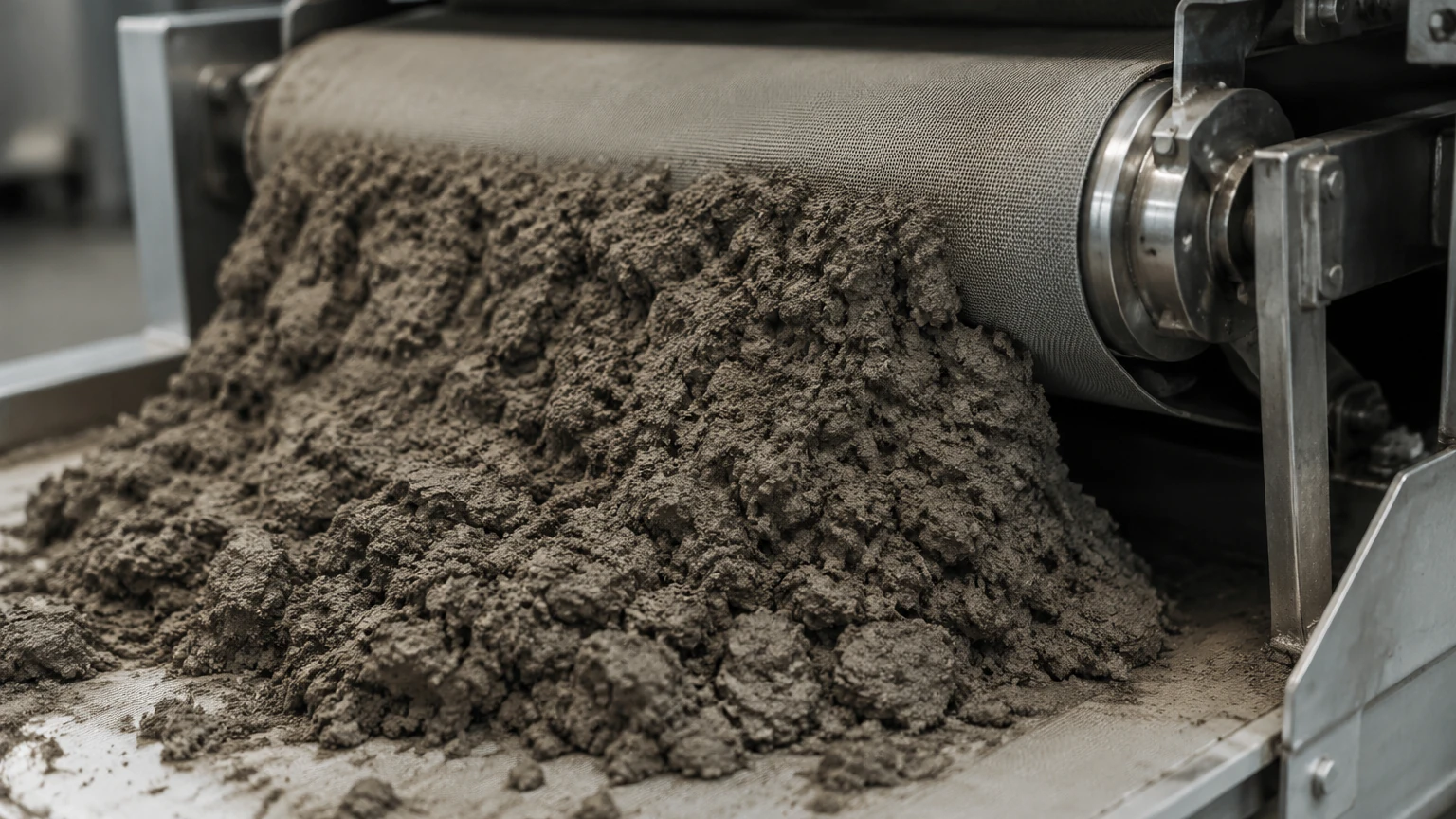
Belt Press Feed
In industrial dewatering and wastewater treatment, the efficiency of a belt filter press is fundamentally dictated by the characteristics and management of the belt press feed. As a critical stage in the separation of solids from liquids, the feed process involves more than just the delivery of slurry; it encompasses chemical conditioning, flow regulation, and the removal of oversized contaminants that could compromise the integrity of the filter belts. For engineers and facility managers, optimizing the feed stage is the most effective way to improve cake dryness, reduce polymer consumption, and extend the service life of filtration components.
Understanding the Dynamics of Belt Press Feed
The term "belt press feed" refers to the sludge or slurry as it is introduced into the dewatering system. In most industrial applications—ranging from chemical processing to food production—this feed typically consists of a suspension where solids concentrations range from 1% to 10%. The goal of the belt press is to transition this liquid-heavy feed into a stackable, dry cake through a series of gravity drainage and mechanical compression zones.
From a technical perspective, the consistency of the feed is paramount. Fluctuations in solids content or flow rate can lead to "washouts," where the liquid bypasses the containment of the belts, or uneven cake formation, which puts eccentric loads on the rollers. To maintain a stable process, engineers must focus on the rheology of the feed and ensure that the delivery system provides a uniform distribution across the entire width of the belt.
The Role of Pre-Filtration in Feed Preparation
Before the slurry reaches the gravity drainage zone, it must be free of large debris and abrasive particles that could damage the delicate weave of the filter belts or clog the distribution headers. This is where high-performance stainless steel filtration components become essential.
Industrial feed systems often incorporate inline wire mesh filters or stainless steel filter cartridges to protect downstream equipment. These components are designed to:
1. Remove Oversized Aggregates: Prevent large solids from entering the nip rollers where they could cause localized high-pressure points and tear the belt.
2. Protect Polymer Injection Systems: Many belt press operations rely on polymer flocculants. If the water used to dilute these polymers contains particulates, it can clog the injection nozzles, leading to poor flocculation and a failed dewatering process.
3. Ensure Uniform Flow: Precision-engineered metal filter components help maintain a clean fluid path, ensuring that the feed is distributed evenly through the manifold.
As a professional manufacturer, Kaifil provides customized stainless steel filtration solutions that are specifically engineered to handle the demanding environments of industrial feed systems. By selecting the correct micron rating and material grade, operators can significantly reduce the risk of unexpected downtime.
Chemical Conditioning and Flocculation
The success of the belt press feed is heavily dependent on chemical conditioning, usually through the addition of polymers (polyelectrolytes). This process, known as flocculation, aggregates small particles into larger "flocs," allowing water to be released more easily during the gravity drainage stage.
Engineers must carefully calibrate the mixing energy and retention time in the flocculation tank. If the mixing is too aggressive, the flocs may shear, returning the feed to a difficult-to-dewater state. If it is too weak, the solids will remain dispersed, and the belt will blind (clog) almost immediately. Monitoring the "floc size" and the clarity of the filtrate (the water that passes through the belt) provides immediate feedback on the quality of the feed preparation.
Engineering Criteria for Feed System Components
When designing or upgrading the feed section of a belt press, several engineering considerations must be addressed to ensure long-term reliability. These include material compatibility, pressure management, and ease of maintenance.
Material Selection
In chemical and food processing applications, the belt press feed may be corrosive or abrasive. Stainless steel 304 or 316L is the industry standard for filtration components due to its resistance to oxidation and chemical attack. For highly aggressive environments, specialized alloys may be required to prevent pitting and stress corrosion cracking.
Micron Ratings and Filtration Accuracy
The choice of wire mesh density in pre-filtration is a balancing act. A mesh that is too fine will require frequent cleaning and may cause significant pressure drops, while a mesh that is too coarse will allow damaging particles to pass through. Engineers typically perform a particle size distribution (PSD) analysis of the feed to determine the optimal filtration threshold.
Structural Integrity
Filter cartridges and mesh screens used in feed lines must withstand the hydraulic surges associated with positive displacement pumps. Reinforced internal cores and high-quality longitudinal welds are necessary to prevent component collapse or bypass under pressure.
Common Operational Risks and Mitigation
Managing the belt press feed involves navigating several common risks that can diminish the ROI of the dewatering equipment.
* Belt Blinding: This occurs when fine particles or excess polymer clog the openings in the filter belt. While high-pressure wash bars are used to clean the belts, the primary defense is proper feed conditioning and pre-filtration to ensure only stable flocs reach the belt surface.
* Feed Header Clogging: The distribution manifold (header) that spreads the slurry across the belt can become partially blocked by dried sludge or debris. This leads to uneven belt loading. Implementing a routine inspection of the feed manifold and utilizing accessible Main Page resources for product options can help in selecting the right protective filters to prevent these blockages.
* Abrasive Wear: Slurries containing sand or grit can rapidly erode the feed pipes and the belt itself. Utilizing hardened stainless steel mesh in the pre-filtration stage can capture these abrasive elements before they enter the press.
Maintenance and Performance Optimization
A proactive maintenance strategy for the feed system is more cost-effective than reactive repairs. For the filtration components protecting the feed line, the following steps are recommended:
1. Differential Pressure Monitoring: Install gauges before and after the filter housing. A rise in differential pressure indicates that the filter is doing its job but requires cleaning or replacement.
2. Regular Cleaning Cycles: For stainless steel wire mesh filters, ultrasonic cleaning or backwashing can restore the original flow characteristics, making them a more sustainable choice than disposable synthetic filters.
3. Sludge Analysis: Periodic testing of the feed sludge (pH, temperature, and solids concentration) allows for adjustments in polymer dosing, which in turn protects the filtration hardware from chemical buildup.
Customization in Industrial Filtration
No two belt press feed streams are identical. A system processing municipal sewage sludge has vastly different requirements than one handling pharmaceutical byproducts or mineral tailings. Customization is often required to match the filtration hardware to the specific flow rates and chemical profiles of the application.
Kaifil specializes in developing these customized metal filtration components. Whether it is a unique diameter for a filter cartridge or a specific weave pattern for a wire mesh screen, precision engineering ensures that the filtration solution integrates seamlessly with existing feed infrastructure. This bespoke approach allows engineers to solve specific problems, such as premature filter failure or insufficient solids capture, that off-the-shelf components cannot address.
Critical Questions for Engineers and Purchasing Teams
Before procuring new components for a belt press feed system, technical professionals should confirm the following data points:
* What is the maximum flow rate and operating pressure of the feed pump?
* What are the specific chemical constituents of the slurry and the conditioning polymers?
* What is the target micron rating required to protect the specific belt weave in use?
* Is the system designed for continuous operation, or are there scheduled windows for filter maintenance?
By answering these questions, teams can move beyond generic specifications and implement a filtration strategy that enhances the overall efficiency of the dewatering process.
Conclusion
The belt press feed is the most influential variable in the performance of industrial dewatering systems. By focusing on consistent feed delivery, precise chemical conditioning, and the integration of high-quality stainless steel filtration components, facilities can achieve superior cake dryness and operational reliability. Investing in durable, precision-engineered metal filters not only protects the belt press but also optimizes the total cost of ownership by reducing chemical waste and mechanical wear. For those seeking to refine their filtration processes, reviewing technical specifications and application support is a vital step toward achieving peak system performance.