


Buizenwarmtewisselaar
In industrial thermal management, the efficiency of a buizenwarmtewisselaar—commonly known as a shell and tube heat exchanger—is paramount to the overall performance of a processing plant. These systems are the workhorses of the chemical, pharmaceutical, and food and beverage industries, facilitating the transfer of heat between two fluids without them coming into direct contact. However, the operational integrity of a buizenwarmtewisselaar is highly dependent on the quality of the fluids circulating through its internal tubes and shell. Contaminants, particulates, and debris can quickly compromise heat transfer efficiency, leading to increased energy consumption and potential equipment failure.
As a specialist in custom stainless steel filtration solutions, Kaifil understands that protecting a buizenwarmtewisselaar requires more than just standard off-the-shelf components. It requires high-precision filtration designed to withstand the pressures, temperatures, and corrosive environments typical of industrial heat exchange. By integrating robust stainless steel filter cartridges and wire mesh filters, engineers can ensure that their heat exchangers remain free from fouling and operate at peak thermal efficiency. For more information on tailored filtration components, visit our Main Page.
The Critical Role of Filtration in Protecting a Buizenwarmtewisselaar
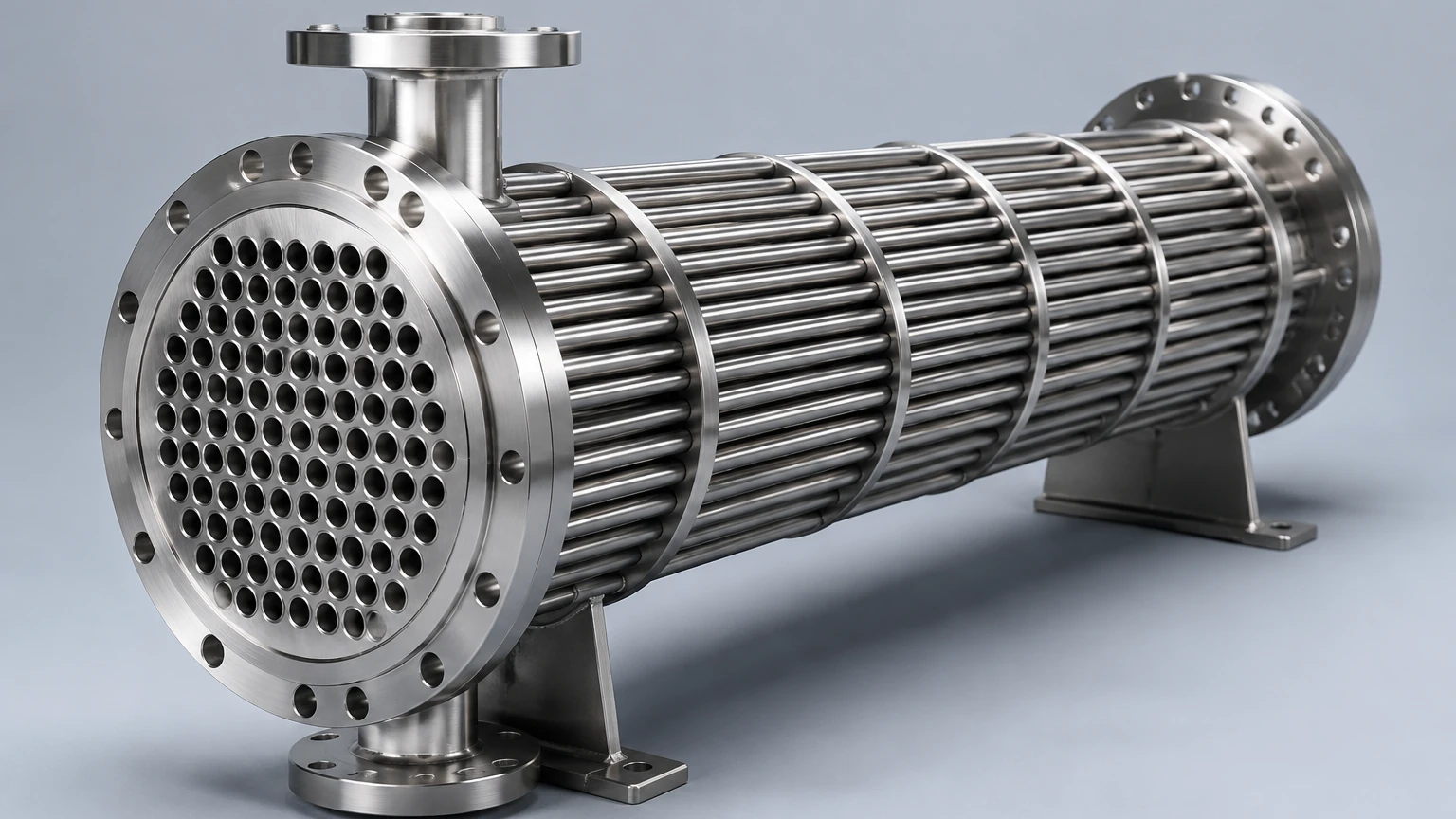
A buizenwarmtewisselaar consists of a series of tubes housed within a cylindrical shell. One fluid flows through the tubes, while another flows over the tubes (through the shell) to transfer heat. Because the clearances within these tubes can be relatively small, even minor particulate matter can lead to significant operational hurdles.
Filtration serves as the primary line of defense against fouling. Fouling occurs when unwanted materials—such as sand, rust, biological growth, or chemical precipitates—accumulate on the heat transfer surfaces. This layer of material acts as an insulator, significantly reducing the heat transfer coefficient. Furthermore, as the buildup increases, the cross-sectional area of the tubes decreases, leading to a higher pressure drop across the system. This forces pumps to work harder, increasing energy costs and mechanical wear.
By implementing high-quality stainless steel filtration at the inlet of the buizenwarmtewisselaar, operators can capture these contaminants before they reach the heat exchanger. This proactive approach extends the time between manual cleanings and preserves the design specifications of the thermal system.
Engineering Considerations for Heat Exchanger Protection
When selecting filtration for a buizenwarmtewisselaar, engineers must consider several technical factors to ensure the filter does not become a bottleneck itself. The goal is to achieve the required filtration accuracy while maintaining a low initial pressure drop and high flow capacity.
Filtration Accuracy and Micron Rating
Selecting the correct micron rating is a balance between protection and maintenance frequency. If the filtration is too coarse, smaller particles may pass through and settle in the heat exchanger tubes. If it is too fine, the filter may clog prematurely, requiring frequent cleaning or replacement. For most industrial buizenwarmtewisselaar applications, filtration levels ranging from 50 to 200 microns are common for pre-filtration, though high-precision processes may require much finer stainless steel mesh.
Material Compatibility and Durability
Industrial heat exchangers often handle aggressive chemicals or operate at high temperatures. Consequently, the filtration components must be equally resilient. Stainless steel (typically 304 or 316L) is the material of choice due to its excellent corrosion resistance and mechanical strength. Unlike plastic or fabric filters, stainless steel wire mesh filters can withstand high-pressure differentials and thermal shocks without losing structural integrity.
Flow Dynamics and Pressure Drop
The filter must be sized to handle the maximum flow rate of the system without causing an excessive pressure drop. A high-quality filter design utilizes pleating or specialized weave patterns to maximize the effective surface area, which reduces the velocity of the fluid as it passes through the media, thereby lowering the pressure drop and increasing the dirt-holding capacity.
Selecting the Right Stainless Steel Filter Cartridges
Kaifil provides a variety of stainless steel filtration products that are ideally suited for protecting a buizenwarmtewisselaar. Choosing the right structure depends on the specific nature of the contaminants and the operating environment.
1. Sintered Metal Filters: These are created by fusing multiple layers of wire mesh or metal powder through a heat-treatment process. Sintered filters offer exceptional strength and precise pore size distribution, making them ideal for high-pressure applications where filtration accuracy is critical.
2. Pleated Wire Mesh Cartridges: By pleating the stainless steel mesh, the surface area is significantly increased compared to a standard cylindrical filter. This is particularly beneficial for systems with high flow rates where space is limited, as it allows for a more compact filter housing while maintaining a long service life.
3. Wedge Wire Filters: For applications involving heavy solids or fibrous materials, wedge wire filters provide a robust, non-clogging surface. The V-shaped profile of the wire prevents particles from getting wedged in the openings, making them easier to clean via backwashing.
Each of these options can be customized in terms of dimensions, end-cap configurations, and mesh density to fit the specific requirements of the piping system leading to the buizenwarmtewisselaar.
Common Challenges: Fouling, Scaling, and Clogging
Without adequate filtration, a buizenwarmtewisselaar is susceptible to three primary types of performance degradation:
* Particulate Fouling: This is the accumulation of suspended solids from the fluid onto the heat transfer surfaces. It is most common in cooling water systems using river or well water.
* Scaling (Crystallization Fouling): While scaling is often caused by the precipitation of minerals like calcium carbonate, the presence of existing particulate matter can act as a "seed" or nucleation site, accelerating the scaling process. Fine filtration helps mitigate this by removing the particulate triggers.
* Biological Fouling: In systems using untreated water, algae and bacteria can grow on the tube walls. While filtration cannot remove dissolved nutrients, it can remove the larger organic matter that provides a substrate for biological growth.
Addressing these challenges through robust filtration not only protects the buizenwarmtewisselaar but also protects downstream equipment and ensures the consistency of the final product, especially in the pharmaceutical and food sectors.
Customization and OEM Solutions for Industrial Systems
Every industrial facility has unique constraints, from the chemical composition of the process fluid to the physical footprint available for equipment. Standard filtration solutions often fail to address these nuances. This is where Kaifil’s OEM and customization capabilities become a strategic advantage for engineers.
Customization allows for the integration of filtration directly into the existing infrastructure of the buizenwarmtewisselaar system. This includes custom-designed filter housings, specialized flange connections, and tailored filter media that target specific contaminant profiles. For example, in a hydraulic cooling system, the filter must be able to handle high-viscosity oils while maintaining high filtration efficiency. In a steam-heated chemical reactor, the filter must be able to withstand extreme thermal cycling.
By working closely with a manufacturer that understands the engineering behind the filtration, purchasing teams can ensure that the components they receive are not just replacements, but upgrades that improve the total system reliability.
Maintenance and Total Cost of Ownership (TCO)
When evaluating filtration for a buizenwarmtewisselaar, it is important to look beyond the initial purchase price and consider the Total Cost of Ownership. While stainless steel filters have a higher upfront cost than disposable alternatives, their long-term value is significantly higher.
* Cleanability: Stainless steel filters are reusable. They can be cleaned using ultrasonic baths, backwashing, or chemical cleaning, depending on the contaminant. This eliminates the recurring cost of purchasing and disposing of single-use filters.
* Reduced Downtime: High-capacity filters extend the intervals between maintenance cycles. Because the buizenwarmtewisselaar remains cleaner for longer, the entire production line experiences fewer unplanned shutdowns.
* Longevity: A well-maintained stainless steel filter can last for years, even in demanding industrial environments. This durability ensures that the protection for the heat exchanger remains constant over the life of the equipment.
Engineers should establish a regular monitoring schedule for pressure differentials across the filter. A sudden increase in pressure drop is a clear indicator that the filter has reached its dirt-holding capacity and requires cleaning. By automating this monitoring, plants can further optimize their maintenance schedules.
Conclusion
The buizenwarmtewisselaar is a vital component in modern industry, but its sensitivity to fluid quality cannot be overlooked. Effective filtration is not merely an accessory; it is a fundamental requirement for maintaining thermal efficiency, reducing energy costs, and preventing costly equipment damage. By selecting high-performance stainless steel filtration solutions, such as those manufactured by Kaifil, engineers can ensure their heat exchange systems operate reliably under the most demanding conditions.
Whether you are designing a new system or looking to optimize an existing one, choosing the right filtration partner is essential. For technical support and to explore our range of custom metal filter components, please visit our Main Page. Protecting your investment starts with precision engineering and high-quality materials, ensuring your buizenwarmtewisselaar performs as intended for years to come.
