


Cycloonafscheider
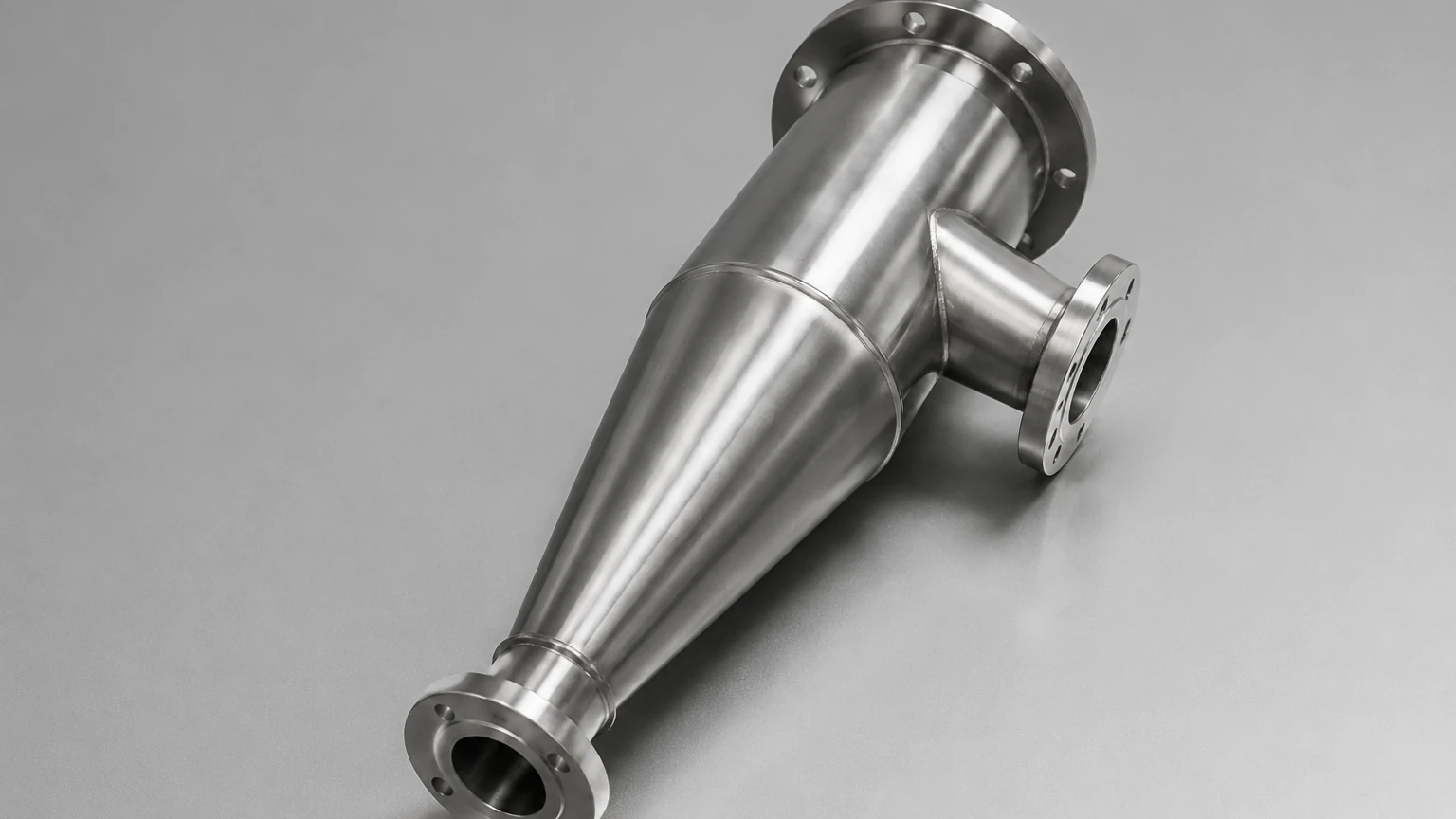
In the landscape of industrial process engineering, the cycloonafscheider (cyclone separator) stands as a fundamental component for the primary separation of solids from gas or liquid streams. Utilizing the principles of centrifugal force and inertia, these devices provide a cost-effective and low-maintenance method for removing bulk particulates before the process stream reaches more sensitive downstream equipment. For engineers and procurement specialists, understanding the technical nuances of cyclone separation is critical for optimizing system longevity and ensuring that secondary filtration components, such as the precision stainless steel filter cartridges provided by Main Page, are not prematurely blinded by heavy particulate loads.
A cycloonafscheider is essentially a static mechanical separator. Unlike complex filtration systems that rely on moving parts or consumable media, the cyclone uses the velocity of the incoming fluid to create a high-speed spiral flow. This design makes it particularly valuable in harsh industrial environments where high temperatures, corrosive chemicals, or abrasive materials are present. By integrating a cyclone as a pre-filter, facilities can significantly reduce the total cost of ownership (TCO) of their filtration systems by extending the service intervals of fine-mesh elements.
The Physics of Centrifugal Separation
The operation of a cycloonafscheider is governed by fluid dynamics and the physical properties of the particles within the stream. When the gas or liquid enters the cylindrical chamber of the cyclone—typically through a tangential or spiral inlet—it is forced into a downward vortex. This rotational motion generates centrifugal forces that are many times greater than gravity.
As the fluid spins, particles with higher density or larger mass are flung toward the outer walls of the cyclone. Once they strike the wall, they lose kinetic energy and slide down the conical section of the device into a collection hopper or discharge valve. Meanwhile, the cleaned fluid reaches the bottom of the cone and reverses direction, forming a smaller, tighter inner vortex that exits through the top of the device via a vortex finder.
The efficiency of this separation is largely determined by the "cut point" (d50), which represents the particle size at which 50% of the particles are captured and 50% escape. Engineers must carefully calculate the balance between centrifugal force (which promotes separation) and drag force (which keeps particles entrained in the fluid) to ensure the cycloonafscheider meets the specific requirements of the application.
Key Engineering Parameters for Selection
When specifying a cycloonafscheider for an industrial process, several technical parameters must be evaluated to ensure performance matches the operational goals. A poorly sized cyclone can result in excessive pressure drop or inadequate separation efficiency, both of which lead to increased operational costs.
Inlet Velocity and Pressure Drop
Inlet velocity is perhaps the most critical factor in cyclone performance. Higher velocities increase the centrifugal force, thereby improving the capture rate of smaller particles. However, this comes at the cost of a higher pressure drop (Delta P). A significant pressure drop requires more energy from fans or pumps to maintain flow, which can impact the overall efficiency of the plant. Engineers typically aim for an optimal velocity that maximizes separation while keeping the pressure drop within a manageable range, usually between 500 and 1500 Pa for gas systems.
Cyclone Geometry
The dimensions of the cycloonafscheider—specifically the diameter of the cylinder and the length of the cone—directly influence the residence time of the fluid. A smaller diameter cyclone generates higher centrifugal forces and is better suited for capturing fine dust, but it has a lower throughput capacity. Conversely, larger cyclones handle higher volumes but are less effective at removing sub-micron particles. In many large-scale industrial applications, multiple small cyclones are arranged in parallel (a multicyclone) to achieve both high capacity and high efficiency.
Particle Characteristics
The density, shape, and size distribution of the particulates are essential data points. Spherical, high-density particles are the easiest to separate. In contrast, irregular or low-density particles may require a more aggressive cyclone design or a higher inlet velocity to achieve the same capture rate. Furthermore, the concentration of solids (loading) affects the vortex stability; very high loadings can actually improve efficiency through particle-to-particle collisions that drive more material toward the walls.
Material Selection and Durability
Because the cycloonafscheider operates by forcing particles against its internal walls at high speeds, material selection is paramount. Erosion is the primary failure mode for cyclones, especially when handling abrasive materials like sand, fly ash, or metallic dust.
Stainless steel is the industry standard for high-performance cyclones. Grades such as AISI 304 and 316L offer excellent resistance to both corrosion and mechanical wear. In chemical processing or food and beverage applications, the use of stainless steel ensures that the equipment does not contaminate the process stream and can withstand rigorous Clean-in-Place (CIP) protocols. For highly abrasive environments, internal surfaces may be treated or lined, but the structural integrity provided by a stainless steel housing remains the preferred choice for long-term reliability.
Integration with Precision Secondary Filtration
A cycloonafscheider is rarely the sole filtration solution in a high-precision industrial process. While they are excellent at removing the bulk of particulates (typically down to 5–10 microns in high-efficiency models), they often allow finer particles to pass through. This is where the synergy between primary centrifugal separation and secondary barrier filtration becomes vital.
By removing 90% or more of the heavy particulate load, the cyclone protects downstream stainless steel filter cartridges and wire mesh elements. Without this pre-separation, fine filters would clog rapidly, leading to frequent downtime for cleaning or replacement. Kaifil specializes in these secondary filtration solutions, providing custom-engineered stainless steel components that handle the final polishing of the fluid stream. The combination of a robust cycloonafscheider and a precision-engineered Kaifil filter ensures a system that is both durable and capable of meeting strict purity standards.
Industrial Applications and Use Cases
The versatility of the cycloonafscheider allows it to be deployed across a wide range of sectors, each with unique engineering challenges:
* Chemical Processing: Used to recover valuable catalysts from gas streams or to remove impurities before chemical reactors. The corrosion resistance of stainless steel is non-negotiable here.
* Food and Beverage: In spray drying processes, cyclones are used to collect powdered products (like milk or coffee) from the drying air. The system must meet sanitary standards to prevent bacterial growth.
* Pharmaceuticals: Cyclones help in the recovery of active pharmaceutical ingredients (APIs) during granulation or coating processes, where containment and high recovery rates are essential.
* Hydraulic and Lubrication Systems: Liquid cyclones (hydrocyclones) are used to remove metal shavings and heavy contaminants from oils and coolants, protecting high-pressure pumps and valves.
Maintenance and Operational Longevity
One of the primary advantages of the cycloonafscheider is its lack of moving parts, which inherently leads to high reliability. However, they are not "set and forget" devices. Regular maintenance routines should include:
1. Inspection for Erosion: Checking the lower conical section and the area near the inlet for thinning of the metal walls.
2. Vortex Finder Alignment: Ensuring the exit tube is not damaged or misaligned, as this can cause turbulence and bypass.
3. Discharge Valve Functionality: The collection hopper must be emptied regularly. If the hopper overfills, the collected solids will be re-entrained into the vortex and carried out the top of the cyclone.
4. Seal Integrity: Any air leaks at the bottom of the cyclone (in vacuum systems) can disrupt the vortex and drastically reduce separation efficiency.
Conclusion: Making Informed Purchasing Decisions
For engineers and purchasing teams, the selection of a cycloonafscheider should be based on a comprehensive analysis of the process flow, particle characteristics, and desired efficiency. It is a balancing act between energy consumption (pressure drop) and separation performance.
When designing a complete filtration circuit, it is important to view the cyclone as the first line of defense. By effectively managing the bulk of the contaminant load, the cycloonafscheider enables the downstream precision filters to operate at peak efficiency. For those looking to optimize their secondary filtration stages with high-quality, custom-manufactured components, Kaifil provides the technical expertise and manufacturing capabilities required to develop stainless steel filter solutions that withstand demanding industrial environments. Confirming the compatibility of your cyclone’s output with your secondary filter’s micron rating is the final step in ensuring a reliable, low-maintenance filtration system.
