


Dust Collector Supplier
In the modern industrial landscape, the management of airborne particulates is not merely a matter of housekeeping; it is a critical engineering requirement that impacts worker safety, equipment longevity, and environmental compliance. Selecting the right dust collector supplier is a strategic decision that requires a deep understanding of filtration mechanics, material science, and the specific operational demands of a facility. For engineers and procurement managers, the goal is to identify a partner capable of providing high-performance filtration components that can withstand the rigors of continuous industrial use while maintaining peak efficiency.
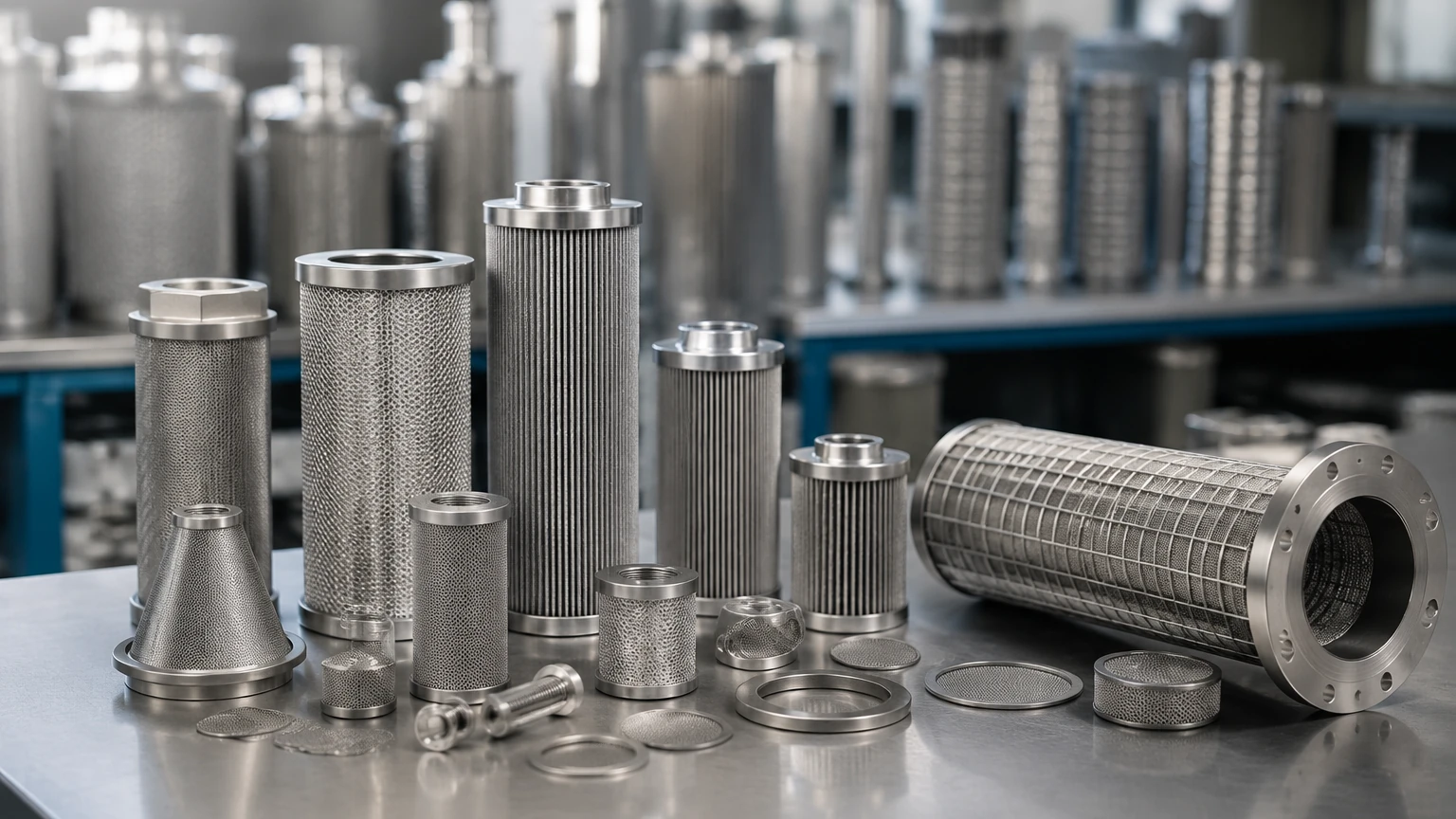
Industrial dust collection systems are complex assemblies designed to capture, convey, and collect dust from various processes. At the heart of these systems are the filtration elements—components that must be engineered with precision to ensure they meet the stringent requirements of industries ranging from chemical processing to food production. A specialized manufacturer like Kaifil provides the essential stainless steel filter cartridges and wire mesh components that allow these systems to operate reliably in the most demanding environments. To understand the full scope of available filtration technologies, technical professionals often begin by reviewing the Main Page to assess manufacturing capabilities and material options.
The Technical Landscape of Industrial Dust Collection
A professional dust collector supplier must offer more than just hardware; they must provide a technical understanding of how different particulates behave within an airflow. Industrial dust can vary significantly in size, shape, density, and chemical composition. For instance, the fine, hygroscopic dust found in pharmaceutical manufacturing requires a completely different filtration approach than the abrasive, high-temperature dust generated in metal smelting operations.
When evaluating a supplier, it is essential to consider their ability to calculate and optimize the air-to-cloth (A/C) ratio. This ratio, which represents the volume of air passing through a given area of filter media per minute, is a primary determinant of system performance. An improperly calculated A/C ratio can lead to excessive pressure drops, shortened filter life, and increased energy consumption. A competent supplier will provide detailed data on how their filter elements perform under various flow rates and particulate loads, ensuring that the system is neither under-engineered nor excessively costly to operate.
Critical Engineering Parameters for Dust Collector Components
For engineers, the selection of a dust collector supplier hinges on several key technical parameters that define the reliability of the filtration system. These parameters include filtration efficiency, structural integrity, and the ability of the filter media to be cleaned effectively.
Filtration Efficiency and Micron Ratings
The primary function of any dust collector is to remove particles of a specific size from the air stream. Suppliers should provide clear specifications regarding the micron rating of their filters, distinguishing between nominal and absolute ratings. In many industrial applications, sub-micron particles pose the greatest health and operational risks. Therefore, the supplier must be able to demonstrate that their stainless steel wire mesh or sintered metal filters can achieve the required capture efficiency without significantly impeding airflow.
Structural Integrity and Pressure Resistance
Industrial dust collectors often utilize pulse-jet cleaning systems, which use high-pressure bursts of air to dislodge dust cakes from the filter surface. This process subjects the filter elements to significant mechanical stress. A high-quality supplier ensures that their filter cartridges are constructed with reinforced cores and precision-welded end caps to prevent collapse or bypass leakage. The use of high-grade stainless steel allows these components to maintain their shape and function even under constant pressure fluctuations and high-velocity air streams.
Material Science in Filtration: Why Stainless Steel Matters
While many dust collection systems use fabric or paper-based media, demanding industrial applications often require the superior properties of metal filtration. A dust collector supplier specializing in stainless steel offers distinct advantages in terms of durability and chemical resistance.
Stainless steel, particularly grades like 304 and 316L, is the material of choice for environments involving high temperatures, corrosive gases, or strict hygiene requirements. Unlike synthetic fibers, stainless steel does not degrade when exposed to heat or harsh chemicals. This makes it ideal for chemical processing plants where acidic or alkaline vapors might be present in the air stream. Furthermore, the non-shedding nature of metal mesh is critical in food and beverage or pharmaceutical applications, where product contamination must be avoided at all costs.
By visiting the Main Page, engineers can explore the various weave patterns and sintering techniques used to create high-performance metal filters. Whether it is plain square weave for high flow or Dutch weave for fine filtration, the material science behind the filter media determines the success of the entire dust collection strategy.
Evaluating a Dust Collector Supplier for OEM and Custom Projects
Many industrial facilities operate with unique spatial constraints or specialized process requirements that standard off-the-shelf equipment cannot satisfy. In these cases, the role of a dust collector supplier shifts from a mere vendor to a collaborative engineering partner. OEM (Original Equipment Manufacturer) capabilities are essential for developing custom filtration solutions that fit seamlessly into existing infrastructure.
When vetting a supplier for custom projects, engineers should confirm the following:
1. Design Flexibility: Can the supplier adjust the dimensions, flange types, and pleat configurations of the filter cartridges to match specific housing designs?
2. Prototyping and Testing: Does the supplier have the capability to produce prototypes and conduct performance testing, such as bubble point tests or air permeability assessments, before full-scale production?
3. Material Traceability: Can the supplier provide Mill Test Reports (MTRs) to verify the alloy composition and quality of the stainless steel used in the filters?
Customization allows for the optimization of the filtration surface area, which can significantly extend the time between maintenance cycles. A supplier that understands the nuances of custom metal fabrication can help design elements that maximize particulate capture while minimizing the footprint of the dust collection unit.
Operational Efficiency and Total Cost of Ownership (TCO)
In the B2B sector, procurement decisions are increasingly driven by the total cost of ownership rather than the initial purchase price. A reliable dust collector supplier helps customers reduce TCO by providing durable, high-efficiency components that lower energy and maintenance costs.
One of the most significant operational costs in dust collection is the energy required to move air through the filters. As dust accumulates on the filter surface, the differential pressure (ΔP) increases, forcing the system's fan to work harder. High-quality stainless steel filters from a reputable manufacturer are designed to facilitate efficient cleaning, ensuring that the ΔP remains within an optimal range. This not only saves energy but also reduces the wear and tear on the system's mechanical components.
Furthermore, the longevity of stainless steel filters means fewer replacements. While the initial cost of a metal filter cartridge may be higher than a disposable fabric bag, the extended service life—often spanning several years—results in a much lower cost per hour of operation. A supplier that focuses on quality manufacturing helps industrial facilities avoid the hidden costs of frequent downtime and labor-intensive filter changes.
Maintenance, Cleaning, and Longevity of Metal Filter Media
Maintenance is a critical aspect of industrial dust collection that is often overlooked during the initial selection of a dust collector supplier. However, the ease with which a filter can be maintained directly impacts its long-term performance. Stainless steel filter elements are particularly valued for their cleanability.
Unlike disposable filters, metal cartridges can be cleaned using various methods, including:
* Ultrasonic Cleaning: Using high-frequency sound waves in a liquid bath to dislodge fine particles from deep within the mesh or sintered structure.
* Chemical Cleaning: Utilizing specialized solvents to dissolve chemical deposits or organic matter without damaging the stainless steel substrate.
* Backwashing and Pulse-Jet: Leveraging the structural strength of the metal to withstand high-pressure cleaning cycles that would destroy lesser materials.
A professional supplier will provide detailed maintenance protocols and cleaning guidelines to ensure that the filters are restored to their original permeability without compromising their structural integrity. This regenerative capability is a key reason why stainless steel is preferred in high-value industrial processes.
Strategic Sourcing and Long-Term Reliability
Choosing a dust collector supplier is an investment in the future stability of an industrial operation. A supplier like Kaifil, with its focus on precision-engineered stainless steel solutions, provides the technical foundation necessary for efficient and compliant dust management. By prioritizing material quality, manufacturing precision, and engineering support, companies can ensure that their dust collection systems perform as intended, even under the most strenuous conditions.
For those seeking to upgrade their current filtration elements or develop new custom solutions, the Main Page serves as a comprehensive resource for technical data and product specifications. In conclusion, the right supplier does more than deliver a product; they provide the expertise and reliability needed to maintain a clean, safe, and efficient industrial environment. Through careful evaluation of technical capabilities and a focus on long-term performance, engineers can secure a filtration solution that meets the rigorous demands of modern industry.
