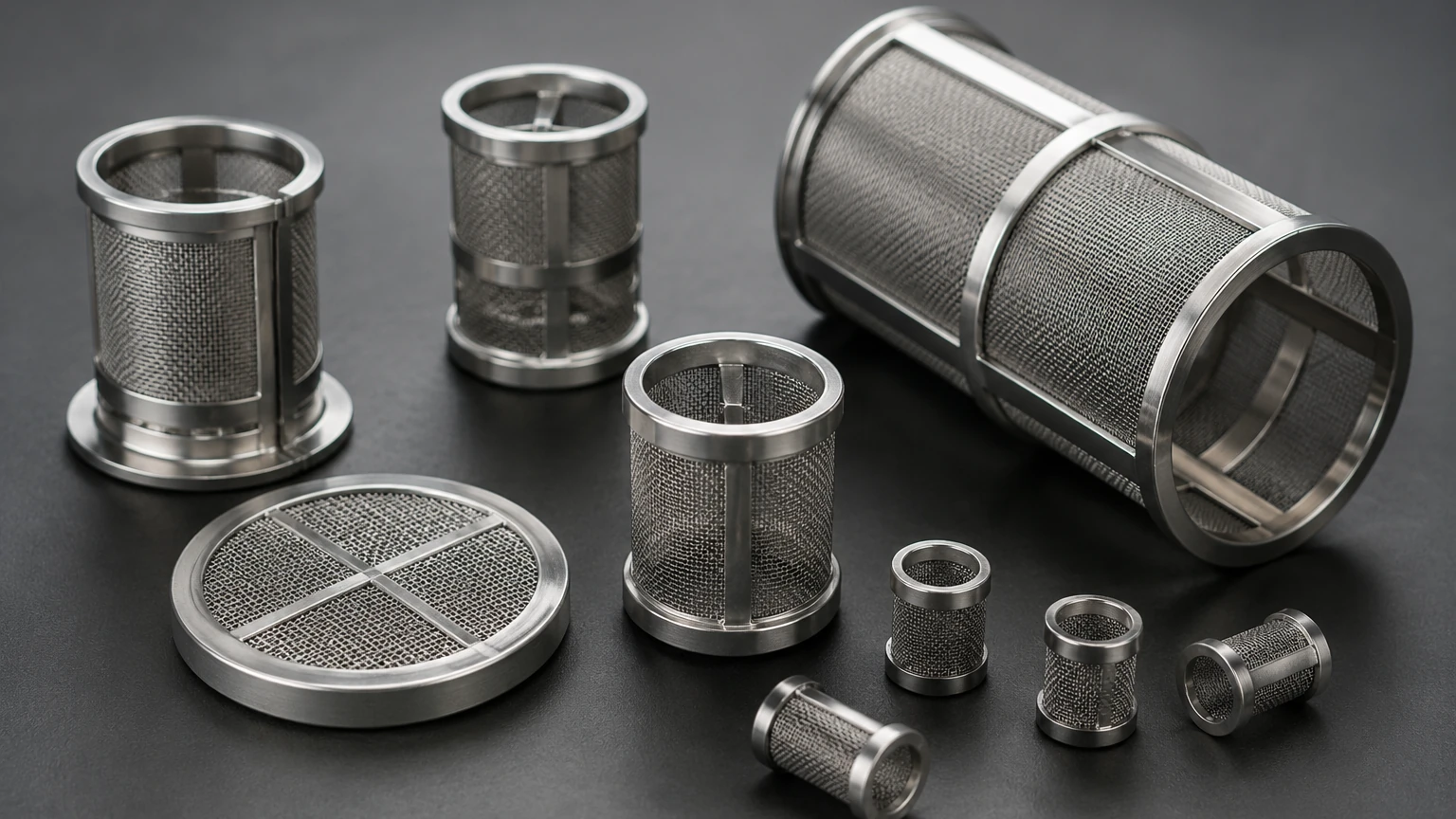
Extruder Screen
In the field of polymer processing and industrial manufacturing, the extruder screen serves as a critical component in the melt filtration process. Its primary function is to remove contaminants—such as un-melted resin, foreign particles, and degraded polymers—from the molten stream before it reaches the die. By ensuring the purity of the melt, these screens protect downstream equipment from damage and ensure the structural integrity and surface finish of the final product. For engineers and procurement teams, selecting the appropriate extruder screen is a balance between filtration precision, mechanical strength, and operational cost-efficiency.
The Role of Melt Filtration in Extrusion Processes
Melt filtration is not merely a cleaning step; it is a fundamental part of process stabilization. As raw materials move through the extruder, high pressures and temperatures are applied to achieve a homogenous melt. However, even high-quality resins can contain trace impurities or additives that have not fully dispersed. In recycling applications, the contaminant load is significantly higher, requiring robust filtration solutions to handle metal fragments, paper, or higher-melting-point plastics.
An effective extruder screen provides several technical benefits:
1. Protection of Precision Tooling: It prevents hard particles from scratching or clogging the extrusion die, which can lead to expensive downtime and repairs.
2. Improved Product Quality: By removing visual defects and structural weak points caused by contaminants, the screen ensures the output meets stringent industry standards.
3. Enhanced Homogenization: The resistance provided by the screen pack increases backpressure in the barrel, which improves the mixing and shear of the polymer melt.
Types of Extruder Screen Configurations
Industrial filtration requirements vary significantly based on the viscosity of the polymer and the required throughput. Consequently, extruder screens are manufactured in several configurations to suit different screen changers and processing environments.
Single Layer Screens
These are individual discs of wire mesh, typically used in applications where the contaminant level is low or where the filtration requirements are relatively coarse. They are often used in simple manual screen changers for basic profile extrusion.
Multi-Layer Screen Packs
Most industrial processes utilize a multi-layer configuration. A screen pack typically consists of several layers of wire mesh with different micron ratings. The layers are arranged in a graduated sequence: a coarse mesh on the upstream side to catch large debris, followed by finer meshes for precision filtration, and backed by another coarse layer for structural support. This gradient prevents the fine mesh from blinding prematurely and extends the overall service life of the pack.
Spot-Welded and Rimmed Screens
To simplify handling and ensure the integrity of the pack during installation, multiple layers can be spot-welded together. For high-pressure applications, screens may be fitted with a metal rim (often aluminum or stainless steel). The rim provides a leak-proof seal within the screen changer and prevents the edges of the mesh from fraying or bypassing the filtration zone under extreme pressure.
Material Selection and Engineering Considerations
The choice of material for an extruder screen is dictated by the chemical nature of the polymer and the operating temperature of the extrusion line. Stainless steel is the industry standard due to its excellent mechanical properties and resistance to oxidation at high temperatures.
* Stainless Steel 304: This is the most common material used for general-purpose filtration. It offers good corrosion resistance and can withstand the typical temperatures found in polyolefin processing (PE, PP).
* Stainless Steel 316/316L: For applications involving corrosive polymers, such as PVC or certain fluoropolymers, Grade 316 is preferred. The addition of molybdenum enhances its resistance to chemical attack and pitting.
* High-Temperature Alloys: In specialized engineering plastics where temperatures exceed the limits of standard stainless steel, alloys like Inconel or Monel may be utilized to maintain structural integrity and prevent mesh deformation.
When evaluating materials, engineers must also consider the "cleanliness" of the wire. High-quality manufacturers ensure that the wire mesh is free from lubricants or processing oils that could outgas or contaminate the polymer melt during the initial startup phase.
Understanding Mesh Weave and Filtration Precision
The geometry of the weave determines both the filtration accuracy (measured in microns) and the mechanical strength of the extruder screen. There are three primary weave types utilized in industrial melt filtration:
1. Plain Weave: The most straightforward construction where wires cross over and under each other. It provides a high open area and low pressure drop but has limited mechanical strength for very fine filtration.
2. Dutch Weave (Plain and Twilled): This weave uses different diameters for the warp and shute wires, resulting in a much denser and stronger mesh. Dutch weaves are capable of very fine filtration (down to 10-20 microns) while maintaining the ability to withstand high differential pressures without distorting the pore structure.
3. Twill Weave: In this configuration, each shute wire passes over and under two warp wires. This allows for a heavier wire diameter in a given mesh count, providing superior durability for heavy-duty recycling applications.
For technical specifications and a deeper look at available mesh configurations, engineers can refer to the Main Page of the Kaifil website to review product options and application support.
Engineering Selection Criteria for Industrial Applications
Selecting the right extruder screen requires an analysis of several variables to ensure the filtration system does not become a bottleneck in production. Key factors include:
Pressure Drop (ΔP)
Every screen introduces resistance to the flow. As the screen captures contaminants, the pressure drop across the screen pack increases. If the initial pressure drop is too high due to an overly restrictive mesh, the extruder motor may overload, or the melt temperature may rise excessively due to shear heating. Engineers must calculate the optimal balance between the required micron rating and the available surface area.
Mechanical Strength and Burst Pressure
In high-viscosity applications, the force exerted on the mesh can be immense. If the screen is not properly supported by a breaker plate or a coarse backing mesh, it may collapse or "blow through," allowing unfiltered material into the die. The tensile strength of the wire and the quality of the spot welds are critical here.
Contaminant Loading Capacity
The volume of debris the screen can hold before reaching the maximum allowable pressure drop determines the frequency of screen changes. In continuous extrusion lines, maximizing the "on-stream" time is essential for reducing the total cost of ownership.
Operational Best Practices and Maintenance
The performance of an extruder screen is heavily dependent on how it is handled and monitored during operation. Implementing standardized procedures for screen management can significantly reduce waste and improve process consistency.
* Monitoring Pressure Differentials: Most modern extrusion lines are equipped with pressure transducers before and after the screen changer. Operators should be trained to recognize the "delta-P" threshold that signals a necessary screen change. Waiting too long can lead to screen breakage, while changing too early increases consumable costs.
* Pre-Heating Screens: For large-diameter screens or those used in high-temperature processes, pre-heating the screen pack before installation can prevent thermal shock and reduce the time required for the melt to stabilize after a changeover.
* Storage and Handling: Screens should be stored in a clean, dry environment. Contamination from dust or moisture before installation can lead to bubbles or defects in the final product. Handling screens with clean gloves prevents the transfer of skin oils, which can carbonize at high temperatures.
Custom OEM Solutions for Demanding Environments
While standard sizes are available for many common screen changers, many industrial applications require customized filtration solutions. This is particularly true in the chemical processing and pharmaceutical sectors, where unique housing geometries or specific material certifications (such as FDA compliance for food-contact surfaces) are required.
Customization options often include:
* Bespoke Geometries: Oval, rectangular, or complex multi-segment screens for specialized continuous screen changers.
* Specific Layer Sequences: Tailoring the mesh count of each layer in a pack to match the particle size distribution of a specific recycled feedstock.
* Advanced Materials: Utilizing specialized alloys for high-acid or ultra-high-temperature environments.
By working closely with a manufacturer that understands the nuances of wire mesh engineering, purchasing teams can develop filtration components that are optimized for their specific equipment and throughput requirements. This collaborative approach ensures that the extruder screen is not just a consumable, but a tool for process optimization.
Conclusion
The extruder screen is a small but vital component in the industrial extrusion chain. From protecting sensitive machinery to ensuring the purity of high-performance polymers, its impact on production efficiency and product quality is substantial. By understanding the technical differences between weave types, material grades, and pack configurations, engineers can make informed decisions that minimize downtime and maximize output. As industrial requirements continue to evolve—particularly with the rise of circular economy initiatives and plastic recycling—the demand for precision-engineered melt filtration solutions will only increase. Reliable manufacturing and rigorous quality control remain the cornerstones of effective filtration in these demanding industrial environments.