


Filter Bags Supplier
In the landscape of industrial liquid and gas processing, the selection of a filter bags supplier is a decision that impacts operational efficiency, product purity, and long-term maintenance costs. Filter bags serve as the primary barrier against contaminants in diverse applications, ranging from chemical processing and wastewater treatment to food and beverage production. While the bags themselves are often considered consumables, the engineering behind their design and the reliability of the supplier providing them are critical factors in achieving consistent filtration performance.
For engineers and procurement professionals, evaluating a supplier requires a deep understanding of filtration mechanics, material science, and the specific demands of the industrial environment. This guide explores the technical considerations necessary when partnering with a filtration specialist and how high-quality components contribute to a robust filtration system.
The Role of a Filter Bags Supplier in Industrial Processes
A professional filter bags supplier does more than provide a catalog of products; they act as a technical resource for solving complex separation challenges. Industrial filtration typically involves removing solid particles from a fluid stream to protect downstream equipment or to ensure the final product meets stringent quality standards. Filter bags are favored in many sectors due to their high dirt-holding capacity and relatively low cost compared to other filtration methods.
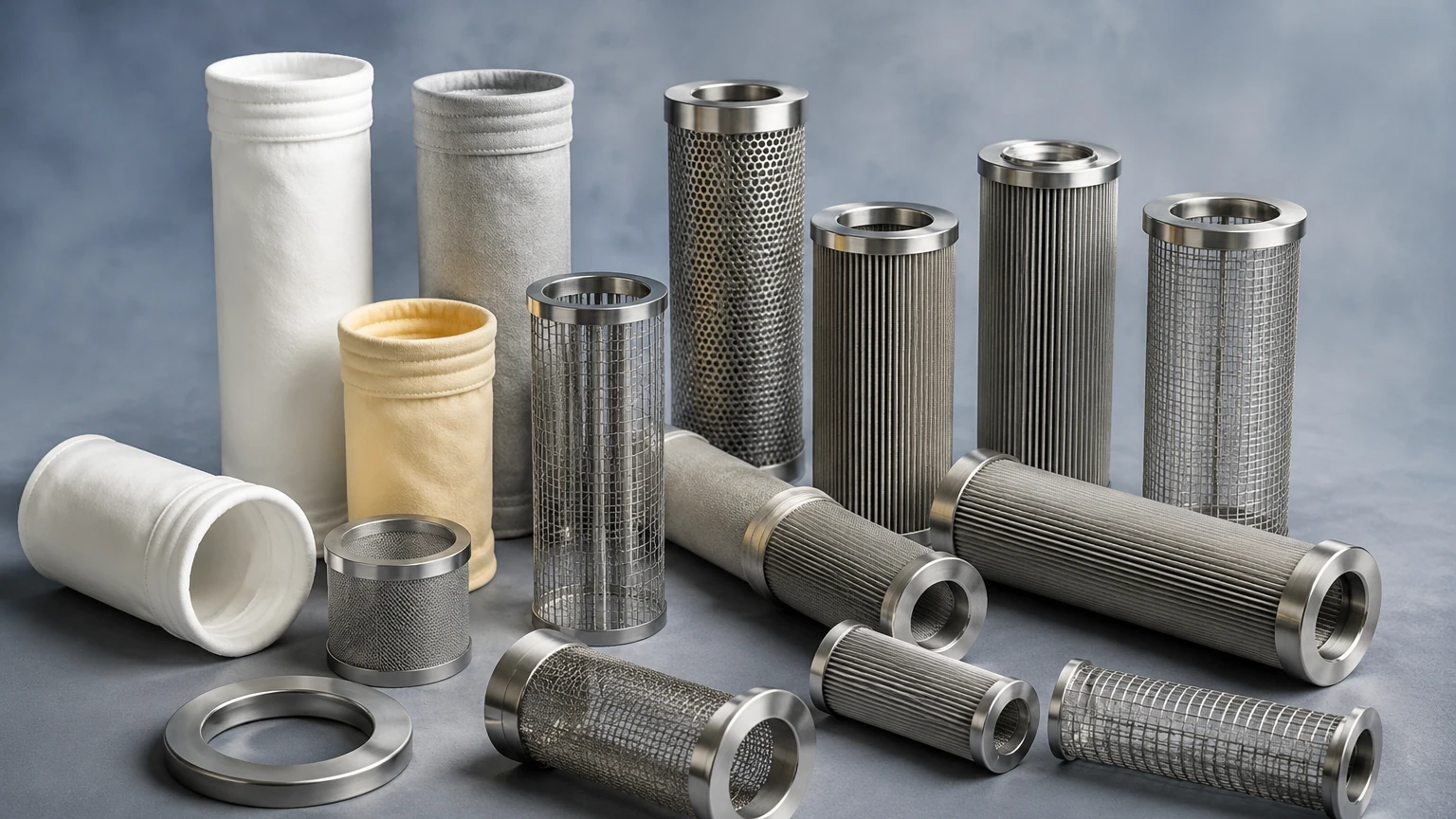
In liquid filtration, bags are generally housed within a pressure vessel, supported by a perforated stainless steel basket. The fluid flows from the inside of the bag to the outside, trapping contaminants within the bag itself. This design simplifies the disposal process, as the solids are contained, preventing contamination of the filter housing during change-outs. A supplier’s expertise is vital in determining whether a surface filtration or depth filtration approach is appropriate for a specific particle size distribution.
Material Engineering and Chemical Compatibility
The most critical aspect of selecting a filter bags supplier is their ability to provide materials that can withstand the chemical and thermal rigors of the application. Industrial fluids can be highly corrosive, and temperatures can fluctuate significantly, necessitating a precise match between the filter media and the process conditions.
Common materials offered by suppliers include:
* Polypropylene (PP): Widely used for its excellent chemical resistance to acids and alkalis. It is a cost-effective choice for many aqueous solutions but has a lower temperature threshold (typically up to 90°C).
* Polyester (PE): Offers good resistance to most oxidizing agents and is suitable for higher temperature applications compared to polypropylene, often reaching up to 150°C.
* Nylon Monofilament: Ideal for precision straining where a specific micron rating is required. The woven structure provides a fixed pore size, making it excellent for surface filtration.
* PTFE and High-Temperature Synthetics: Reserved for extreme environments involving aggressive chemicals or temperatures exceeding 200°C.
A knowledgeable supplier will assist in verifying the compatibility of these materials with the specific pH levels and chemical compositions found in your facility. Furthermore, for industries such as food and beverage or pharmaceuticals, the supplier must ensure that all materials used in the construction of the filter bags are FDA-compliant and free from silicone or other potential leachables.
Technical Specifications for Filter Bag Selection
When communicating with a filter bags supplier, technical specifications must be clearly defined to avoid premature filter failure or bypass. Engineers should focus on three primary metrics: micron rating, flow rate, and pressure drop.
Micron Ratings: Nominal vs. Absolute
One of the most frequent points of confusion in filtration procurement is the distinction between nominal and absolute micron ratings. A nominal rating indicates the filter's ability to retain a majority of particles (usually 60% to 90%) of a specific size. An absolute rating, often achieved through high-efficiency melt-blown or multi-layered media, implies a retention rate of 99% or higher. A reliable supplier should provide data sheets that clarify the efficiency of their media to ensure it meets the required cleanliness levels.
Flow Rate and Pressure Drop (Delta P)
The flow rate determines how much fluid can pass through the filter bag per unit of time. As the bag captures contaminants, the differential pressure (the difference between the inlet and outlet pressure) increases. A supplier must help calculate the initial pressure drop to ensure the pump system is appropriately sized. If the initial pressure drop is too high, the service life of the bag will be significantly shortened, leading to frequent downtime for replacements.
Customization and OEM Solutions in Filtration
Standard off-the-shelf filter bags do not always meet the unique requirements of specialized industrial machinery. This is where the value of a manufacturer with OEM capabilities becomes apparent. Customization can involve unique dimensions, specialized ring designs (such as galvanized steel, stainless steel, or molded plastic), and reinforced handles for easier removal.
At Kaifil, the focus is on providing customized industrial filtration solutions that integrate seamlessly with existing infrastructure. While many suppliers focus solely on the fabric media, a comprehensive filtration partner understands the interaction between the bag and the hardware. For instance, the precision of the stainless steel support basket and the seal at the bag’s collar are just as important as the fabric itself. If the collar does not provide a perfect seal within the housing, "bypass" occurs, allowing unfiltered fluid to circumvent the media entirely.
Customization also extends to the construction methods. Welded seams are often preferred over sewn seams in critical applications because they eliminate the needle holes that could potentially allow oversized particles to pass through. A supplier capable of providing both options allows the engineering team to choose the most cost-effective solution for their specific tolerance levels.
Assessing Supplier Quality and Manufacturing Standards
The consistency of filtration performance depends heavily on the manufacturing standards of the filter bags supplier. In a B2B context, reliability is measured by the supplier’s ability to deliver the same level of performance across thousands of units. Inconsistencies in the fiber density of felt bags or the weave of mesh bags can lead to unpredictable filtration results and potential damage to downstream equipment.
Key quality indicators to look for include:
1. ISO Certification: Ensures that the manufacturer follows a documented quality management system.
2. Material Traceability: The ability to trace a batch of filter bags back to the raw material lot is essential for industries with strict regulatory requirements.
3. Testing Capabilities: Does the supplier have the laboratory equipment to test for air permeability, burst strength, and filtration efficiency?
4. Cleanroom Manufacturing: For pharmaceutical or microelectronic applications, bags must be produced in controlled environments to prevent initial contamination.
Evaluating these factors during the supplier auditing process helps mitigate the risk of receiving substandard components that could compromise the entire production line.
Optimizing Total Cost of Ownership (TCO)
While the unit price of a filter bag is a visible cost, the Total Cost of Ownership (TCO) includes the labor required for change-outs, the cost of disposal, and the energy consumed by pumps working against a clogged filter. A cheap, low-quality bag may require replacement twice as often as a premium bag from a reputable filter bags supplier, effectively doubling the long-term cost and increasing the environmental footprint of the facility.
A strategic supplier will help optimize TCO by recommending high-capacity media that extends the time between change-outs. By analyzing the solids loading of the process fluid, they can suggest multi-layered depth media that captures larger particles in the outer layers and finer particles in the inner layers, significantly increasing the dirt-holding capacity. This technical approach to procurement ensures that the filtration system contributes to the overall profitability of the operation rather than becoming a constant maintenance burden.
Integration with Stainless Steel Components
Filter bags are rarely used in isolation; they are part of a larger system that includes housings, valves, and piping. Many engineers find that sourcing filtration components from a manufacturer that specializes in stainless steel provides a distinct advantage. Stainless steel filter housings and support baskets must be manufactured to precise tolerances to ensure the filter bag sits correctly and the seal is maintained under pressure.
Working with a provider that understands the nuances of metal fabrication—such as the importance of surface finish (Ra value) in preventing bacterial growth or the structural integrity of wire mesh supports—ensures that the entire filtration assembly operates as a cohesive unit. This holistic view of the filtration process is what separates a simple vendor from a true industrial partner.
Conclusion: Selecting the Right Technical Partner
Choosing a filter bags supplier is an engineering decision that requires balancing material properties, filtration efficiency, and operational costs. By focusing on technical specifications, manufacturing quality, and the ability to provide customized solutions, procurement teams can ensure their filtration systems remain reliable and efficient. For those seeking to optimize their industrial filtration processes with high-performance components and expert guidance, it is essential to Review product options and application support on our Main Page to find the right fit for your specific technical requirements.
