


Filtre À Air Comprimé Nettoyé
In industrial environments, compressed air is often referred to as the "fourth utility." Its reliability and purity are critical to the operation of pneumatic tools, control systems, and sensitive manufacturing processes. However, compressed air is frequently contaminated with water vapor, oil aerosols, and solid particulates. To maintain system integrity and prevent downstream equipment failure, high-efficiency filtration is mandatory. While many systems rely on disposable fiberglass or paper elements, the demand for a filtre à air comprimé nettoyé—a cleaned or cleanable compressed air filter—has grown significantly among engineers seeking to reduce operational costs and environmental waste.
For technical professionals, the transition from disposable media to cleanable stainless steel filtration components represents a strategic shift in maintenance philosophy. A cleanable filter, particularly one constructed from high-grade stainless steel wire mesh or sintered metal, offers a level of durability and chemical resistance that disposable alternatives cannot match. This article explores the engineering considerations, performance metrics, and selection criteria for implementing reusable filtration solutions in compressed air systems.
The Engineering Logic Behind Cleanable Filtration
The primary function of any compressed air filter is to remove contaminants with minimal resistance to airflow. In many heavy-duty industrial applications, such as chemical processing or food and beverage production, the contaminants are not just dust, but can include corrosive vapors or high-temperature bypass. In these scenarios, a standard disposable element may suffer from structural collapse or chemical degradation.
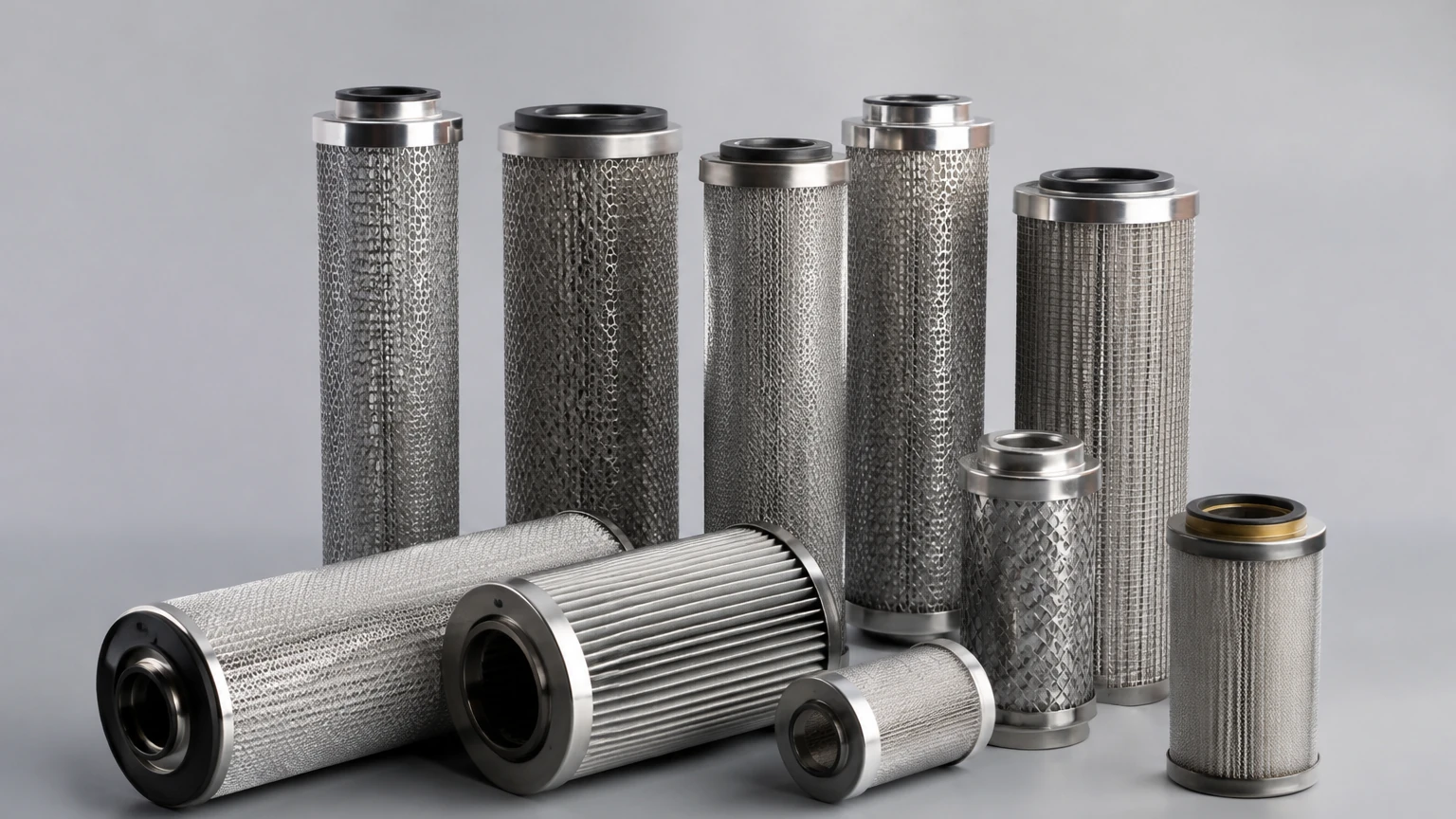
A filtre à air comprimé nettoyé typically utilizes a stainless steel filter medium. Stainless steel, specifically grades 304 or 316L, provides the structural rigidity necessary to withstand high differential pressures. Unlike synthetic fibers that can shed or migrate into the air stream, metal mesh maintains its pore size and geometric integrity over thousands of hours of operation. When the filter reaches its maximum dirt-holding capacity, indicated by a specific pressure drop, it can be removed, cleaned, and returned to service, effectively resetting the system's performance.
Technical Advantages of Stainless Steel Mesh in Air Systems
When evaluating a filtre à air comprimé nettoyé, engineers must consider the specific advantages that metal media provide over traditional depth filtration.
1. Thermal and Chemical Stability: Compressed air systems located near furnaces or chemical reactors often operate at elevated temperatures. Stainless steel filters can operate at temperatures exceeding 200°C (392°F) without losing efficiency, whereas polymer-based filters may soften or fail.
2. Mechanical Strength: High-pressure surges can occur in pneumatic systems. A pleated stainless steel cartridge provides the mechanical strength to resist bursting or collapsing under sudden pressure spikes.
3. Precision Micron Ratings: Modern manufacturing techniques allow for highly precise wire mesh weaving. This ensures that the filtration rating (from 1 micron to 200 microns) is consistent across the entire surface of the filter.
4. Sustainability and Waste Reduction: By utilizing a cleanable element, facilities significantly reduce the volume of hazardous waste (oil-soaked filters) sent to landfills, aligning with corporate sustainability goals.
Performance Evaluation: Pressure Drop and Efficiency
One of the most critical factors in compressed air system design is the "Delta P" or pressure drop. Every bar of pressure lost to filtration requires the compressor to work harder, increasing energy consumption. A filtre à air comprimé nettoyé must be engineered to balance filtration efficiency with high flow rates.
Surface filtration, characteristic of wire mesh, allows for a more predictable pressure drop profile compared to depth filtration. Because the contaminants are captured on the surface of the mesh rather than within a thick matrix of fibers, the cleaning process is more effective. When a stainless steel filter is properly cleaned, its permeability is restored to near-original levels. This ensures that the energy costs associated with air compression remain stable over the life of the filter element.
For engineers looking to optimize their systems, reviewing the Main Page of a specialized manufacturer can provide insights into the various configurations available, such as pleated designs which maximize surface area and further reduce initial pressure drop.
Cleaning Methodologies for Reusable Filters
The term "nettoyé" (cleaned) implies a process that restores the filter's functionality. For industrial stainless steel filters, several methods are employed depending on the nature of the contaminants:
* Ultrasonic Cleaning: This is the most effective method for removing fine particulates lodged within the mesh. High-frequency sound waves create cavitation bubbles in a cleaning solution, which implode and strip away contaminants without damaging the metal structure.
* Backwashing/Back-pulsing: In some automated systems, a reverse flow of air or fluid is used to dislodge surface-level debris. This is common in continuous-process industries where downtime must be minimized.
* Chemical Cleaning: For filters contaminated with heavy oils or polymers, specialized solvents or alkaline baths can be used to dissolve the buildup before a final rinse.
* Steam Cleaning: In food-grade or pharmaceutical applications, high-pressure steam is used not only to clean but also to sterilize the filter element.
It is essential for maintenance teams to follow the manufacturer's guidelines regarding cleaning agents to ensure that the corrosion resistance of the stainless steel is not compromised.
Selection Criteria for Industrial Applications
Choosing the right filtre à air comprimé nettoyé requires a thorough understanding of the application's specific demands. Purchasing teams and engineers should confirm the following parameters before procurement:
1. Micron Rating and Filtration Efficiency
Determine the level of purity required. For pre-filtration, a 40-micron mesh may be sufficient to protect downstream dryers. For point-of-use applications in sensitive electronics, a much finer mesh or a multi-stage approach may be necessary.
2. Flow Rate and Pipe Size
The filter housing and element must be sized to handle the maximum CFM (Cubic Feet per Minute) of the compressor without causing excessive velocity, which can lead to re-entrainment of captured liquids.
3. Material Compatibility
While 304 stainless steel is standard, 316L is preferred for environments with high salt content or exposure to acidic vapors. The O-ring and gasket materials (Viton, EPDM, or Silicone) must also be compatible with the synthetic oils used in the compressor.
4. Housing Configuration
Ensure the filter element is compatible with existing housings or specify a custom-designed housing that allows for easy access during cleaning cycles. Kaifil specializes in providing customized filtration solutions that can be tailored to fit unique spatial constraints or specialized connection types.
Total Cost of Ownership (TCO) Analysis
While the initial purchase price of a stainless steel filtre à air comprimé nettoyé is higher than that of a disposable element, the Total Cost of Ownership is typically much lower over a 3-to-5-year period.
* Replacement Costs: Disposable filters must be purchased, shipped, and stored multiple times per year.
* Disposal Costs: In many regions, oil-contaminated filters are classified as hazardous waste, incurring high disposal fees.
* Energy Savings: A cleanable filter that is maintained regularly maintains a lower average pressure drop than a disposable filter that is left in service until it is completely clogged.
* Downtime: High-quality metal filters are less prone to catastrophic failure, reducing the risk of unscheduled production halts.
Integration into Maintenance Cycles
To maximize the lifespan of a cleanable filter, it should be integrated into a predictive maintenance program. Monitoring the differential pressure across the filter is the most reliable way to determine when cleaning is required. Modern industrial IoT (Internet of Things) sensors can alert maintenance teams when the Delta P reaches a pre-set threshold, ensuring the filtre à air comprimé nettoyé is serviced before it impacts system performance.
In conclusion, the use of stainless steel, cleanable filtration components in compressed air systems offers a robust, efficient, and sustainable alternative to traditional methods. By focusing on high-quality materials and precise engineering, manufacturers like Kaifil help industrial facilities achieve cleaner air and more reliable operations. For those seeking technical specifications or custom OEM designs, visiting the Main Page will provide a comprehensive overview of available filtration technologies and engineering support. Whether the goal is to improve air quality in a chemical plant or to ensure the sterility of air in a food processing line, a properly selected and maintained cleanable filter is a cornerstone of industrial efficiency.
