


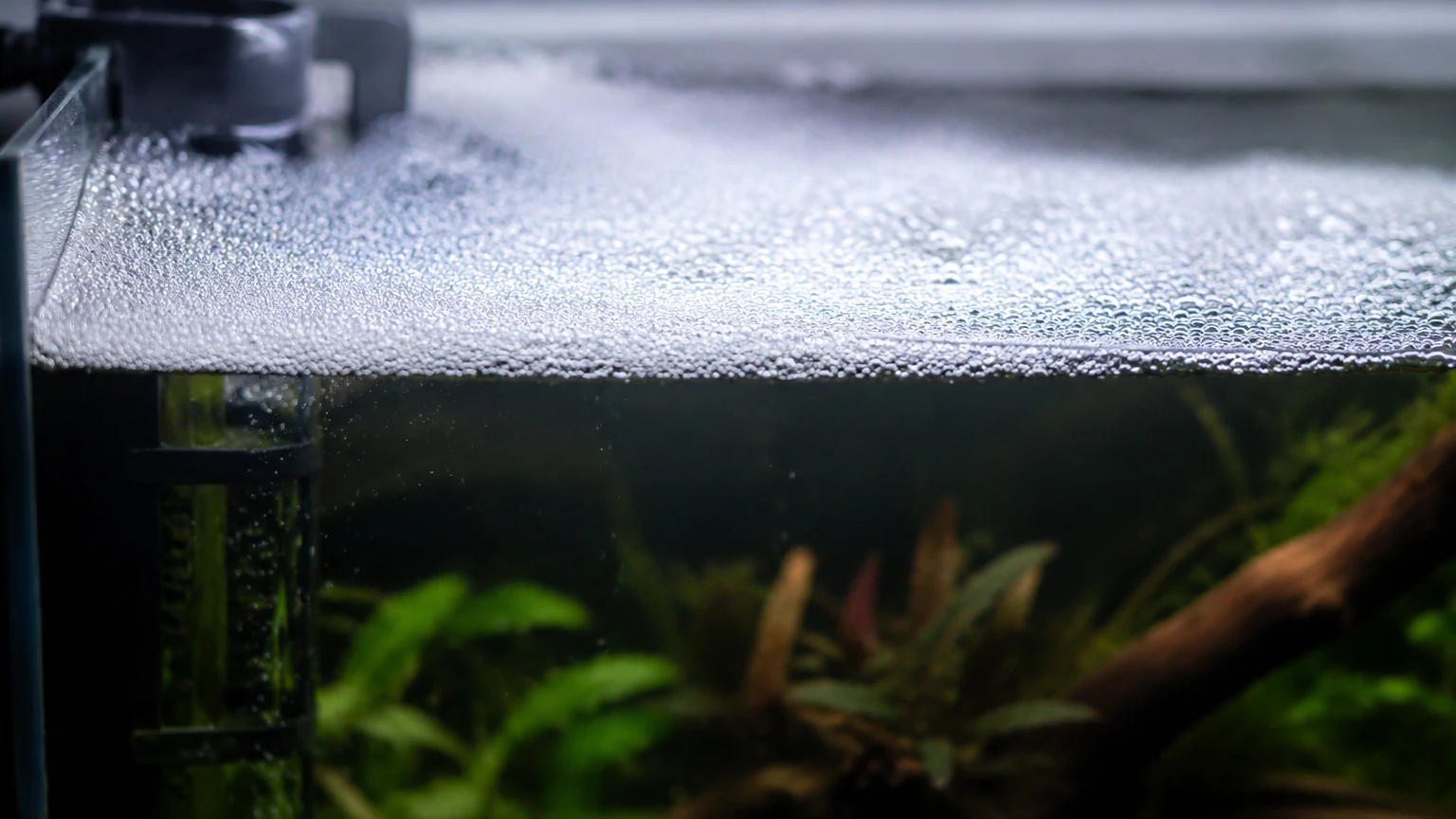
Foam on Top of Aquarium
In industrial aquatic systems, large-scale public displays, and research laboratories, the presence of foam on top of aquarium surfaces is more than an aesthetic concern; it is a technical indicator of the system's chemical and mechanical equilibrium. While a small amount of bubbles near an outlet is normal, persistent, thick, or discolored foam often signals an accumulation of dissolved organic compounds (DOCs) or a failure in the filtration sequence. Understanding the engineering principles behind foam formation is essential for maintaining water quality and ensuring the longevity of filtration components.
From a filtration manufacturing perspective, managing surface foam requires a multi-faceted approach involving mechanical separation, chemical balance, and precise material selection. This guide examines the technical causes of foam, the role of high-performance filtration in mitigation, and why stainless steel components are often the preferred choice for professional aquatic life support systems (LSS).
The Physicochemical Basis of Surface Foam
Foam on top of aquarium systems is primarily composed of proteins, amino acids, and other organic surfactants. These molecules are "amphipathic," meaning they possess both hydrophilic (water-attracting) and hydrophobic (water-repelling) ends. In an aquatic environment, the hydrophobic ends of these molecules seek out the air-water interface, where they align themselves to reduce surface tension.
When air is introduced into the water—whether through a venturi, an overflow, or a high-velocity return—these organic molecules coat the air bubbles. Instead of popping immediately upon reaching the surface, the coated bubbles gain structural integrity from the organic "skin," leading to the accumulation of foam. In industrial contexts, this process is known as protein fractionation. If the filtration system is not efficiently removing these organic precursors, the foam will become increasingly dense and may eventually take on a yellow or brown tint, indicating a high concentration of waste products.
Mechanical Drivers: Aeration and Surface Agitation
While chemical load provides the material for foam, mechanical action provides the energy. In large-scale aquatic systems, high flow rates are necessary to maintain oxygenation and temperature stability. However, improper hydraulic design can exacerbate foam issues.
1. Venturi Effect: Many filtration systems use venturi injectors to increase dissolved oxygen. If the air-to-water ratio is poorly calibrated, or if the bubbles are too large, they can carry excessive amounts of DOCs to the surface.
2. Surface Tension and Biofilms: A lack of surface agitation can lead to the formation of an organic film. This film traps gas, leading to small, persistent bubbles. Conversely, excessive splashing can create a "beating" effect that whips proteins into a thick lather.
3. Pump Cavitation: If a pump is drawing air due to a leak in the intake line or a low water level in the sump, it will produce micro-bubbles. These micro-bubbles have a massive surface-area-to-volume ratio, making them highly efficient at collecting organics and depositing them as foam at the surface.
The Role of Mechanical Filtration in Foam Prevention
Effective foam management begins with the removal of solid waste before it has the opportunity to break down into dissolved organic compounds. This is where the precision of the filtration media becomes critical. Standard foam or plastic media often lack the structural integrity and fine-tuned micron ratings required for high-load industrial systems.
Stainless steel wire mesh filters offer a superior alternative for pre-filtration. By utilizing a specific micron rating, engineers can ensure that particulate matter—such as uneaten feed, waste, and decaying plant matter—is captured and removed from the water column. When these solids are removed quickly, the total organic load on the system is reduced, which directly decreases the likelihood of foam forming on the surface. For engineers looking to optimize their system's mechanical separation, visiting the Main Page of a specialized manufacturer can provide insights into the various mesh configurations available for industrial aquatic applications.
Material Integrity: Why Stainless Steel Matters
In the design of aquatic filtration systems, material compatibility is a primary concern. Many synthetic filter materials can leach surfactants or chemical byproducts over time, especially when exposed to ozone or high-salinity environments. These leached substances can actually contribute to the formation of foam on top of aquarium setups.
Stainless steel, particularly grades 304 and 316L, is chemically inert in most aquatic environments. It does not degrade, it does not shed fibers, and it does not contribute to the chemical load of the water. Furthermore, stainless steel filter cartridges and mesh screens can be cleaned and reused indefinitely, providing a more stable filtration performance compared to disposable media that can clog and become a source of organic decay themselves.
Key advantages of stainless steel in foam-prone systems include:
* Precision Weave: Allows for exact control over particle bypass.
* High Flow Rates: Minimizes the pressure drop across the filter, reducing the risk of pump cavitation.
* Durability: Resists the high pressures often required in industrial-scale protein skimmers and pressurized sand filters.
Diagnosing System Failures and Contamination
If a system that was previously clear suddenly develops foam, technical professionals must investigate potential external contaminants. In a B2B or industrial setting, this often involves checking for:
* Cleaning Agents: Residual soaps or detergents from maintenance activities are potent surfactants that will cause immediate and massive foaming.
* Medications and Water Conditioners: Many aquatic treatments contain polymers or conditioners that temporarily alter the surface tension of the water.
* Aerosols: In indoor facilities, floor cleaners or airborne chemicals can be drawn into the water via the air intakes of protein skimmers or aerators.
* Biological Load Spikes: A sudden increase in organic matter—perhaps from a localized system failure or a spike in biological activity—can overwhelm the existing filtration capacity.
When these issues occur, the first step is often a significant water change, followed by an upgrade to more robust mechanical filtration components to handle the increased particulate load.
Engineering Best Practices for Foam Management
To prevent the accumulation of foam on top of aquarium surfaces in professional environments, engineers should adhere to the following design and maintenance protocols:
1. Optimize Surface Skimming
Ensure that the system design includes an effective surface skimmer or overflow weir. By drawing water from the very top of the tank, the system can continuously remove the organic film and bubbles before they accumulate into thick foam. This surface water should be directed immediately into a high-efficiency mechanical filter.
2. Implement Multi-Stage Filtration
Foam is best managed through a combination of mechanical and chemical filtration. A primary stainless steel mesh filter should remove large particulates, followed by a secondary stage (such as activated carbon or a protein skimmer) to address dissolved organics. This staged approach protects the more sensitive chemical media from clogging with solids.
3. Monitor Micron Ratings
Using a filter with a micron rating that is too coarse will allow organic-rich particles to pass through and decompose, contributing to DOC levels. Conversely, a rating that is too fine may lead to frequent clogging and pump strain. Finding the "sweet spot" based on the specific biological load of the system is a critical engineering task.
4. Regular Component Maintenance
Unlike plastic media, stainless steel filters can be ultrasonically cleaned or backwashed to restore original flow characteristics. Regular maintenance ensures that the filter remains an effective barrier against the organic precursors of foam.
Conclusion
Foam on top of aquarium surfaces in industrial and professional settings is a technical challenge that requires an understanding of fluid dynamics and organic chemistry. By prioritizing high-quality mechanical filtration and selecting durable, inert materials like stainless steel, engineers can significantly reduce the organic load that leads to foam formation.
For procurement officers and system designers, the choice of filtration components is a long-term investment in water stability. Reliable components ensure that aquatic systems remain clear, healthy, and free of the surface accumulations that can compromise gas exchange and system health. For more information on custom stainless steel filtration solutions designed for demanding aquatic environments, please visit the Main Page to explore professional-grade options.
