


Gas Filter Separator Manufacturers
In industrial gas processing, the removal of solid particulates and liquid droplets is a critical requirement for protecting downstream equipment such as compressors, turbines, and meters. Gas filter separators serve as the primary line of defense in these systems, utilizing a combination of mechanical separation and high-precision filtration elements. For engineering and procurement teams, identifying the right gas filter separator manufacturers involves more than comparing price points; it requires a deep understanding of material science, filtration efficiency, and the structural integrity of the filter components.
Selecting a manufacturer that specializes in stainless steel filtration solutions ensures that the equipment can withstand the high pressures, corrosive environments, and thermal fluctuations common in chemical processing, power generation, and natural gas transport. This guide examines the technical criteria, engineering considerations, and selection strategies necessary for evaluating manufacturers in this specialized sector.
The Engineering Principles of Gas Filter Separators
To effectively evaluate gas filter separator manufacturers, one must first understand the dual-stage functionality these units must provide. Unlike simple particulate filters, a gas filter separator is designed to handle both solid contaminants and liquid aerosols.
Stage One: Solid Particulate Removal
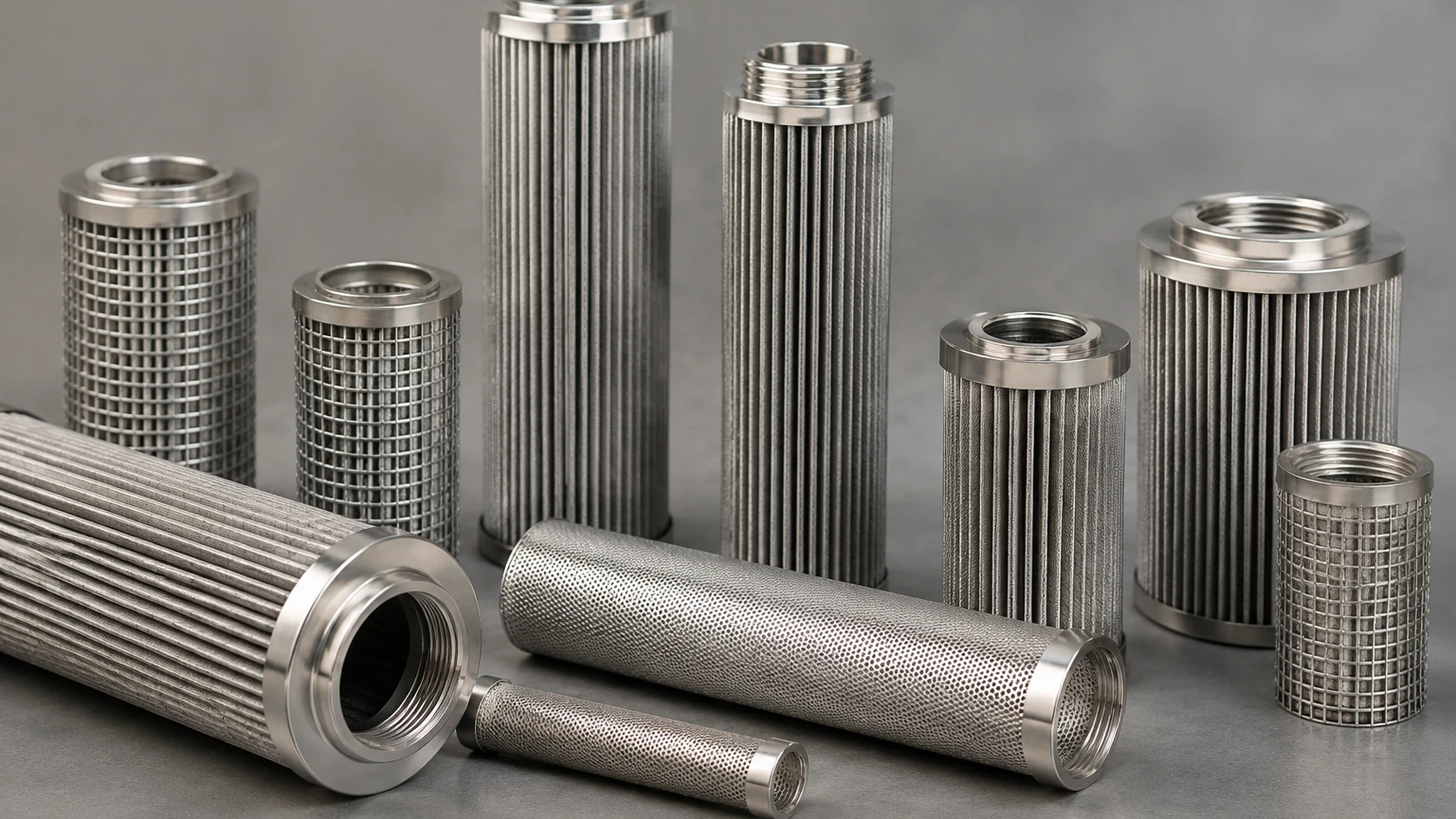
In the first stage, the gas stream passes through filter elements—often constructed from pleated stainless steel wire mesh or sintered metal—that capture solid debris. Manufacturers must demonstrate an ability to produce elements with precise micron ratings. In high-velocity gas streams, these elements must possess high mechanical strength to prevent media migration or structural collapse under differential pressure.
Stage One: Liquid Coalescing
The second stage involves the coalescing of fine liquid mists into larger droplets that can be drained by gravity. This often requires specialized media structures. Manufacturers with expertise in custom wire mesh configurations can optimize the surface area and pore structure of the internal elements to maximize coalescing efficiency without causing excessive pressure drops.
Key Criteria for Evaluating Gas Filter Separator Manufacturers
When vetting potential suppliers, technical professionals should focus on the manufacturer's ability to meet rigorous industrial standards and provide documented performance data. The following criteria are essential for a reliable partnership:
Material Expertise and Traceability
Industrial gas environments are often chemically aggressive. Manufacturers should offer high-grade stainless steel options, such as 304, 316L, or even specialized alloys like Monel or Inconel for sour gas applications. It is vital to confirm that the manufacturer provides material traceability reports and complies with international standards such as ISO 9001 or ASME Section VIII for pressure vessel components.
Customization and OEM Capabilities
Standardized, off-the-shelf filter elements rarely meet the specific needs of complex industrial layouts. A superior manufacturer provides OEM services, allowing for the design of filter cartridges that fit existing housings while improving filtration performance. This includes the ability to customize end-cap designs, seal materials (such as Viton or PTFE), and reinforcement cores to suit specific flow rates and pressure requirements.
Technical Support and Engineering Documentation
Reliable gas filter separator manufacturers act as engineering partners. They should provide comprehensive technical documentation, including:
* Pressure Drop Curves: Data showing how the filter performs as it becomes loaded with contaminants.
* Efficiency Ratings: Beta ratios or percentage-based efficiency for specific particle sizes.
* Chemical Compatibility Charts: Verification that the filter media and seals will not degrade in the presence of specific gases or chemicals.
Material Selection: Why Stainless Steel is Standard
While some applications may use disposable fiberglass or polymer-based elements, most heavy-duty industrial gas filter separators rely on stainless steel components. As a professional manufacturer in this space, Kaifil emphasizes the use of stainless steel for several technical reasons:
1. Durability under Pressure: Stainless steel wire mesh maintains its pore geometry even under high differential pressure, ensuring consistent filtration accuracy.
2. Thermal Stability: Gas streams in power plants or chemical refineries can reach extreme temperatures that would melt or deform synthetic media.
3. Cleanability and Reusability: Unlike disposable filters, stainless steel cartridges can often be cleaned through ultrasonic baths or backwashing, significantly reducing the long-term total cost of ownership (TCO).
4. Corrosion Resistance: In the presence of moisture or hydrogen sulfide (H2S), stainless steel prevents the structural failure and downstream contamination that would occur with carbon steel or inferior alloys.
Addressing Common Engineering Challenges
Engineers often face specific challenges when integrating gas filter separators into their systems. A manufacturer’s ability to solve these problems is a hallmark of their expertise.
Managing Differential Pressure
One of the primary concerns in gas filtration is the "clean" pressure drop. If the initial resistance is too high, it forces the system to work harder, increasing energy costs. Manufacturers must optimize the weave pattern of the wire mesh (such as Dutch weave or Twill weave) to provide the maximum possible open area while maintaining the required micron rating.
Preventing Media Migration
In high-pressure gas applications, there is a risk that fragments of the filter media could break off and travel downstream, damaging sensitive equipment like turbine blades. High-quality manufacturers use advanced welding techniques—such as plasma or TIG welding—rather than adhesives to ensure that the filter element remains a single, robust unit.
Handling Varying Flow Rates
Gas flow is rarely constant. Fluctuations in demand can cause surges that may bypass inferior filter seals. Manufacturers should offer robust sealing mechanisms, including machined metal-to-metal seats or high-performance elastomeric gaskets, to ensure a bypass-free operation regardless of flow volatility.
Total Cost of Ownership vs. Initial Purchase Price
In the B2B procurement process, there is often pressure to select the lowest-cost provider. However, for gas filter separators, the initial price is only a fraction of the total cost. When evaluating gas filter separator manufacturers, purchasing teams should calculate the TCO by considering:
* Replacement Frequency: How long does the element last before reaching its terminal differential pressure?
* Maintenance Labor: Is the filter designed for easy access and quick replacement?
* Downstream Protection: What is the cost of a compressor failure caused by poor filtration? A high-quality filter is essentially an insurance policy for the entire gas train.
* Energy Consumption: A filter that maintains a lower pressure drop over its lifespan will save significant amounts of energy in the long run.
Verification Checklist for Purchasing Teams
Before finalizing a contract with a manufacturer, ensure the following questions are answered:
1. Can you provide a micron-rating verification report? (e.g., Bubble point test or multi-pass test data).
2. What is the maximum collapse pressure of the filter element?
3. Are the end caps and internal supports manufactured from the same grade of stainless steel as the mesh? (To prevent galvanic corrosion).
4. Do you offer custom sizing for non-standard housings?
5. What is the lead time for replacement elements?
Partnering with a Specialized Manufacturer
Finding a manufacturer that understands the nuances of industrial filtration is essential for operational reliability. Companies like Kaifil provide the technical depth required to design and produce high-performance filtration components that meet the rigorous demands of modern industry. By focusing on precision engineering and high-grade materials, they ensure that gas filter separators perform their critical function without compromise.
For those seeking to optimize their filtration systems or source custom-engineered components, visiting the Main Page of a dedicated manufacturer is the first step toward achieving long-term system integrity. Whether you are dealing with high-pressure natural gas or sensitive chemical vapors, the quality of your filter separator elements will define the efficiency and safety of your entire operation.
Conclusion
Gas filter separator manufacturers play a vital role in the industrial ecosystem. By moving beyond generic marketing and focusing on technical specifications, material durability, and custom engineering capabilities, procurement and engineering teams can secure filtration solutions that protect their assets and optimize their processes. Stainless steel remains the material of choice for these demanding applications, and partnering with a manufacturer that specializes in this medium is the most reliable path to success in industrial gas filtration.
