


Hazardous Chemical Storage Tanks
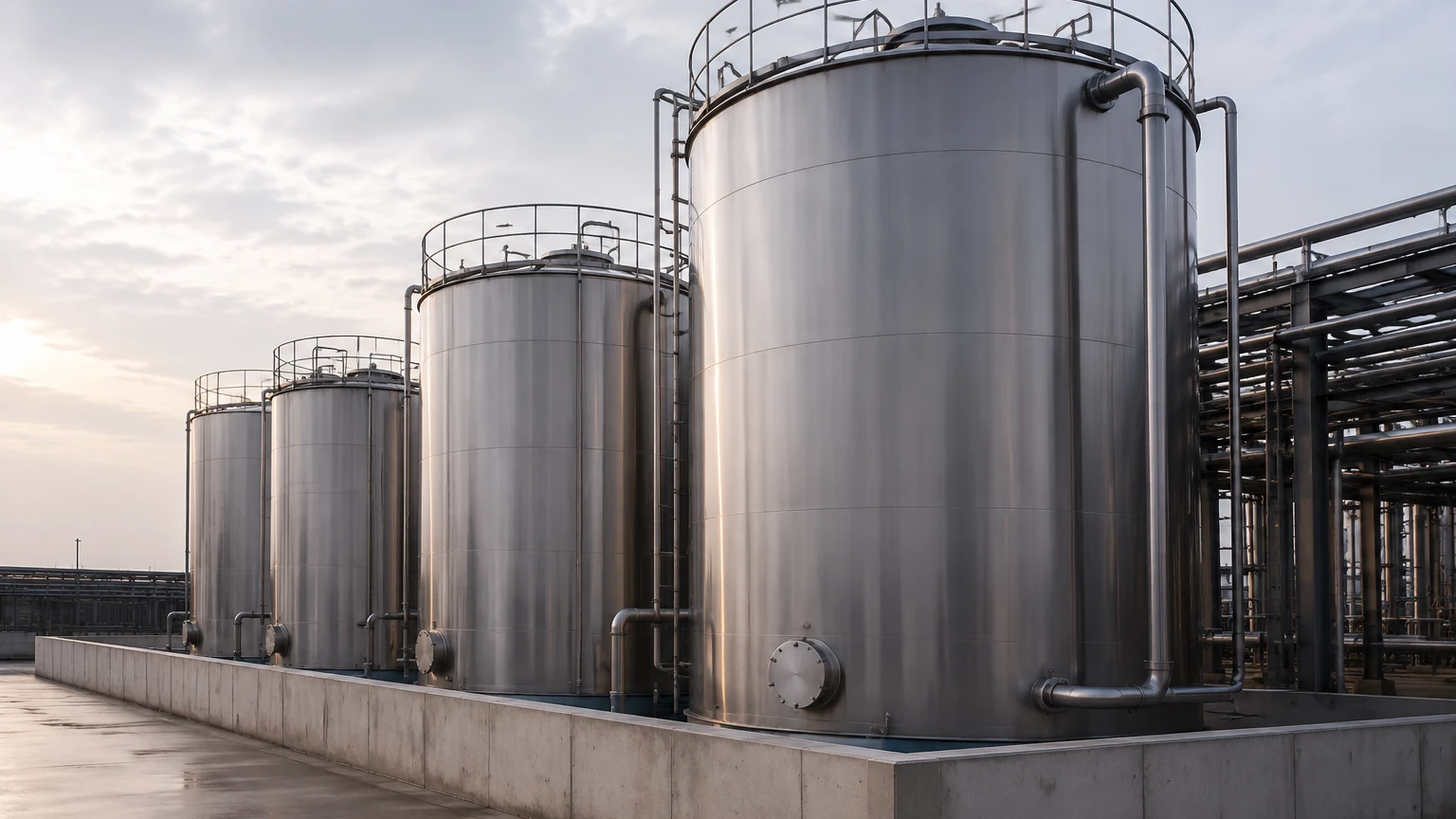
In industrial environments, the management of hazardous chemical storage tanks represents one of the most critical engineering challenges. These vessels are designed to contain substances that may be corrosive, flammable, toxic, or reactive. Ensuring the integrity of these tanks involves more than just the structural shell; it requires a comprehensive approach to fluid dynamics, pressure management, and contamination control. For engineers and facility managers, selecting the correct filtration and venting components is essential to maintaining both safety and product purity.
Industrial filtration plays a pivotal role in the lifecycle of hazardous chemical storage. From preventing the ingress of atmospheric moisture and particulates to protecting downstream equipment from sediment, the integration of high-performance stainless steel components is a standard requirement. As a specialized manufacturer, Kaifil provides the technical expertise and precision-engineered products necessary to support these demanding applications.
Engineering Standards and Material Selection
The design and construction of hazardous chemical storage tanks are governed by rigorous international standards, such as API 650 (for atmospheric tanks) and ASME Section VIII (for pressure vessels). Material selection is the first line of defense against chemical degradation. While carbon steel may suffice for certain non-corrosive hydrocarbons, hazardous chemicals often necessitate the use of high-grade alloys.
Stainless steel, particularly grades 304 and 316L, is the industry standard for hazardous chemical environments. 316L stainless steel, with its addition of molybdenum, offers superior resistance to chloride-induced pitting and stress corrosion cracking. In the context of filtration components used within these tanks—such as suction strainers or vent filters—using the same high-grade materials ensures that the filtration system does not become a point of failure.
When evaluating materials for hazardous chemical storage tanks, engineers must consider:
* Chemical Compatibility: The potential for the stored substance to react with the tank lining or internal components.
* Temperature Fluctuations: How thermal expansion and contraction affect seal integrity and filter housing stability.
* Pressure Ratings: Ensuring all components can withstand the maximum allowable working pressure (MAWP) without deformation.
The Critical Role of Filtration in Chemical Storage
Filtration in hazardous chemical storage tanks serves two primary purposes: protecting the chemical from the environment and protecting the environment from the chemical. Without adequate filtration, the purity of the stored medium can be compromised, leading to costly batch failures or damage to sensitive downstream processing equipment.
Venting and Breather Filtration
As hazardous chemical storage tanks are filled or emptied, the internal pressure changes. To prevent vacuum collapse or over-pressurization, tanks must "breathe." However, drawing in ambient air introduces moisture, dust, and microbial contaminants. High-efficiency vent filters, often constructed from sintered metal or multi-layer wire mesh, are employed to scrub incoming air.
In applications involving volatile organic compounds (VOCs) or toxic fumes, these vent systems may also include filtration stages designed to capture hazardous vapors before they are exhausted into the atmosphere. For more information on specialized filtration components for these systems, you can visit the Main Page to explore technical specifications.
Particulate Control
Many hazardous chemicals are prone to forming precipitates or may contain residual particulates from the manufacturing process. If these solids are allowed to settle at the bottom of hazardous chemical storage tanks, they can cause localized corrosion or clog discharge valves. Installing stainless steel filter cartridges at the inlet and outlet points ensures that only clean fluid enters and exits the storage system.
Material Compatibility and Corrosion Resistance
One of the most significant risks in managing hazardous chemical storage tanks is corrosion. For filtration components, this is particularly dangerous because the high surface area of wire mesh or sintered metal can be more susceptible to chemical attack than the thick walls of the tank itself.
Engineers must verify that the filtration media—whether it is a woven wire cloth or a pleated stainless steel cartridge—is passivated and treated to resist the specific pH levels and oxidative properties of the stored chemical. For example, in the pharmaceutical and food industries, where hazardous cleaning chemicals (CIP) are stored, the filtration components must not only resist corrosion but also meet strict hygienic standards to prevent bacterial growth.
Kaifil’s manufacturing process focuses on high-precision welding and material verification. By utilizing advanced manufacturing techniques, the structural integrity of the filter is maintained even when exposed to aggressive solvents or acids commonly found in hazardous chemical storage tanks. This durability reduces the risk of media migration, where fragments of the filter itself break off and contaminate the chemical stream.
Customization Options for Complex Storage Systems
No two hazardous chemical storage tanks are identical. Factors such as tank geometry, flow rates, and the physical properties of the chemical (viscosity, density, and vapor pressure) dictate the need for customized filtration solutions.
Customization often involves:
1. Micron Rating Adjustment: Balancing the need for fine filtration with the requirement for low pressure drop.
2. End-Cap Configurations: Designing custom fittings (such as NPT, flange, or quick-connect) to integrate seamlessly with existing tank hardware.
3. Reinforced Structures: For tanks that undergo high-pressure cleaning or high-velocity filling, filters may require internal support cores or external shrouds to prevent mechanical collapse.
Working with an OEM manufacturer allows engineering teams to develop filtration components that are purpose-built for the specific hazards of their facility. This collaborative approach ensures that the filtration system is optimized for the total volume of the hazardous chemical storage tanks, reducing the frequency of maintenance interventions.
Risk Mitigation and Operational Safety
The consequences of a failure in hazardous chemical storage tanks range from environmental fines to catastrophic industrial accidents. Therefore, the reliability of every component, including the filtration system, is a matter of operational safety.
Preventing Static Discharge
In tanks storing flammable hazardous chemicals, static electricity is a major concern. Fluid flowing through a filter can generate static charges. Precision-engineered metal filters are inherently conductive and, when properly grounded through the tank structure, help dissipate static electricity, significantly reducing the risk of internal explosions.
Leak Detection and Monitoring
Modern hazardous chemical storage tanks are often equipped with sensors to monitor differential pressure across filters. A sudden increase in differential pressure indicates a clogged filter, which could lead to pump cavitation or tank deformation if not addressed. Conversely, a sudden drop in pressure might indicate a breach in the filtration media. Selecting high-quality stainless steel cartridges with consistent pore structures allows for more accurate monitoring and predictable maintenance cycles.
Maintenance and Total Cost of Ownership
While the initial cost of high-grade stainless steel filtration for hazardous chemical storage tanks may be higher than disposable plastic alternatives, the total cost of ownership (TCO) is significantly lower. Stainless steel filters are cleanable and reusable, which is a critical advantage when dealing with hazardous waste. Disposing of chemical-soaked plastic filters can be expensive and environmentally taxing.
Maintenance protocols for filtration in hazardous chemical storage tanks should include:
* Regular Inspection: Checking for signs of physical damage or chemical bypass.
* Ultrasonic Cleaning: Using specialized cleaning methods to restore the flow capacity of sintered or mesh filters without damaging the delicate pore structure.
* Integrity Testing: Performing bubble point tests or other validation methods to ensure the filter still meets its original micron rating after cleaning.
By investing in durable, precision-manufactured components, facilities can extend the service life of their hazardous chemical storage tanks and minimize the downtime associated with component replacement.
Conclusion
The management of hazardous chemical storage tanks requires a deep understanding of material science and fluid engineering. Filtration is not merely an accessory but a fundamental safety and quality control mechanism. From the selection of 316L stainless steel for corrosion resistance to the implementation of custom-designed vent filters for pressure regulation, every technical decision impacts the overall reliability of the storage system.
For engineers seeking to optimize their filtration performance and ensure the safety of their chemical storage operations, partnering with a manufacturer that understands these complexities is vital. To review product options and application support for your specific industrial needs, visit the Main Page for comprehensive technical resources and customized filtration solutions. Through precise manufacturing and engineering expertise, Kaifil supports the global industry in maintaining the highest standards of safety and efficiency in hazardous chemical management.
